Kami Mug
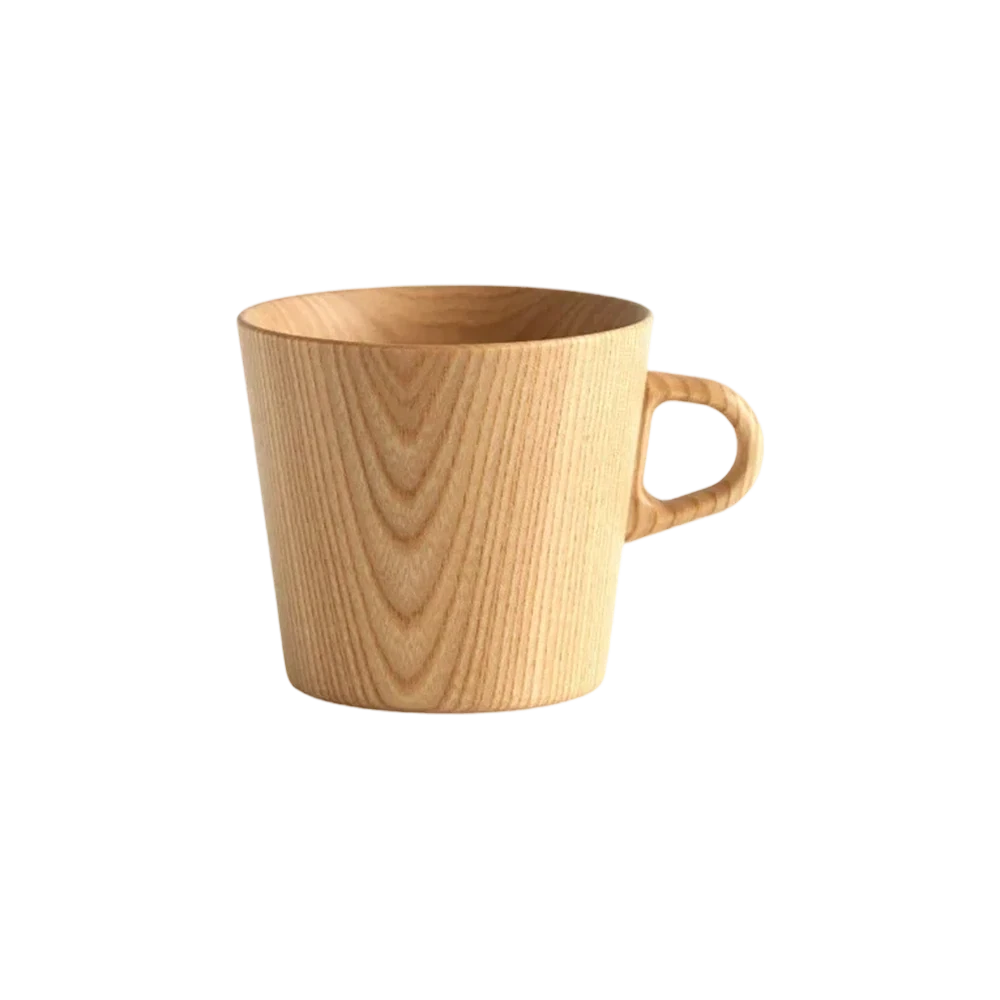
Image: Takahashi Kougei. Used for editorial review under §9.
Hidetoshi Takahashi shaves Sen wood down to 2mm. Thinner than a wine cork.
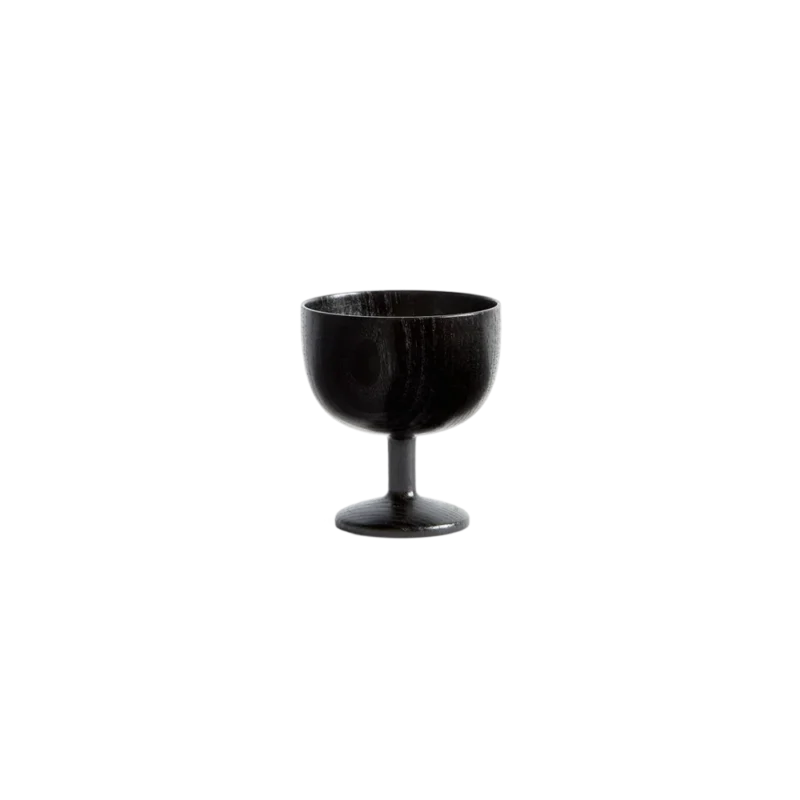
A wooden mug thin enough to see light through? Real. Hidetoshi Takahashi hand-turns each one in Hokkaido, shaving solid Sen timber down to 2mm - thinner than a wine cork. The name 'Kami' means paper in Japanese, because only paper is thinner.
Good Design Award 2011. The same workshop that supplies Nalata Nalata in NYC, Mjolk in Toronto. Oji Masanori, who designed Futagami brass, shaped this form. At $85, the kind of object that starts conversations about craft.
We don't earn if you buy · Why this matters
Kami Mug ($85). Hand-turned wooden cup with 2mm walls thin enough to glow. Hokkaido craftsmanship since 1965. Good Design Award winner. Nalata Nalata stocked.
The argument
Why We Chose the Kami Mug
The problem: a gift for someone who already bought themselves the best ceramics, the best glassware, the best everything. The solution isn't finding something better in those categories. It's finding a category they haven't explored.
Hokkaido woodcraft. Specifically, Sen timber shaved to 2mm by second-generation master Hidetoshi Takahashi, whose family has run this workshop since 1965. Hold it up to light. The walls glow. Designer Oji Masanori named the series 'Kami' because only paper is thinner.
Good Design Award 2011. Jing QiLing Grand Prize same year. Featured in Cool Hunting. At $85, this is the gift that makes someone say: 'How did you find this?'
The fit
Who'll Love This
Someone who photographs interesting objects but rarely posts them. Who has opinions about the ceramics at restaurants. Who would research Hokkaido woodcraft for an hour after receiving this, then never mention what they learned.
Perfect for someone who
- appreciates craft over convenience
- drinks coffee or tea daily
- notices materials others miss
- collects objects with stories
Skip for someone who
- prefers dishwasher-safe everything - try the dishwasher-safe East Fork instead
- finds wood too delicate for daily use
- doesn't drink coffee or tea
- prioritizes practicality over aesthetics
Best wooden mug for craft enthusiasts under $100
AdventurousHas a point of view
The Verdict
Our recommendation
Takahashi Kougei has been hand-turning wooden vessels in Hokkaido since 1965. Hidetoshi Takahashi shapes each mug from Sen wood until the walls reach 2mm thick. Designer Oji Masanori named the series 'Kami' because paper is the only thing thinner.
Good Design Award 2011. Stocked at Nalata Nalata NYC and Mjolk Toronto.
About This Product
No customer reviews available. Trust via design recognition: Good Design Award 2011, Jing QiLing Grand Prize 2011. Cool Hunting featured designer Oji Masanori, who also created Futagami brass. Available at Nalata Nalata NYC, Mjolk Toronto, Mr Kitly Melbourne. Family workshop in Hokkaido since 1965.
Recognition
Featured in Cool Hunting
- Handmade
- Good Design Award
- Hokkaido Craft
“Oji Masanori makes everyday living more comfortable, designing objects that are as refined as they are functional.”
The Moment
A dinner guest pauses mid-conversation. Eyes on the mug by the sink. 'Is that wood?' Picks it up. Holds it toward the light. 'You can see through it.' The same question, every time someone new visits. The mug that explains itself.
The Gift Scene
Brown paper falls away. Honey-toned wood, warmer than the photos suggested. The weight — or lack of it — registers first. Then the grain, tighter than expected.
Then the moment: held up to the window, light passing through 2mm walls. A long pause. 'This is real wood?' Already finding the spot where morning light hits the kitchen counter.
Who are you buying for?
The worry
Getting something generic that doesn't reflect how well I know them.
Birthday
The mug that becomes their favorite
For the friend who saves design posts but rarely buys.
Some friends screenshot objects they'll never buy. Follows the right accounts. Screenshots things they love. But rarely pulls the trigger on something this considered. A Kami mug from a Hokkaido workshop they've never heard of? That's not in their feed yet. You're giving them something that becomes part of their morning ritual. Every coffee. Every tea. That's the gift.
Appreciates craft but wouldn't spend $85 on a mug. 2mm Sen wood from Hokkaido. Same designer as Futagami brass. You're giving them their new favorite.
Is $85 too much for a friend? It's less than a nice dinner out. And this lasts. The wood develops character over time. Years from now, still on their counter, still the one they reach for first.
Sen wood catches morning light. Your friend turns it over, feeling the weight. Almost nothing. 'This is wood?' Holds it up. Light glows through the grain.
The worry
Being too personal or too impersonal. The awkward middle ground.
Thank You
Professional. Thoughtful. Not boring.
The colleague gift that's actually interesting.
Colleague gifts are hard. A gift card says 'I didn't try.' Wine disappears. Desk accessories are usually forgettable. But a hand-turned wooden mug from a Hokkaido workshop? That sits on the desk. Visitors notice. 'Where did you get that?' becomes your colleague's new icebreaker. At $85, it's generous without being awkward.
$85 hits the professional sweet spot. Useful every day. Design-forward without being weird. Hokkaido craft with a real story. Thoughtful, not try-hard.
Will they think it's weird? It's a mug. Everyone drinks coffee or tea. The difference is this one has a story worth telling. That's the point of a colleague gift. Memorable without being strange.
Wooden walls catch desk lamp light. Your colleague picks it up. Sets it down immediately where everyone walking by will see. 'This is staying right here.'
The worry
Bringing something forgettable that disappears after one night.
Housewarming
The host gift that stays
Better than wine. Lasts longer than flowers.
Wine vanishes. Flowers wilt. What stays? An object with 60 years of Hokkaido craft behind it. A Kami mug from Takahashi Kougei? That's different. It becomes part of their kitchen. Morning coffee. Evening tea. Every time they use it, a small reminder of that dinner. At $85, it's generous. And it lasts.
Wine gets consumed. Flowers die. This becomes their morning mug. Hokkaido craft they'll use for years. $85 that outlasts a hundred bottles. You're now part of their routine.
Is a mug too casual for a host gift? This isn't a mug from Target. It's hand-turned Hokkaido woodcraft with 2mm walls. The same level of craft as bringing a nice bottle. But it stays.
Paper-thin wood, surprisingly warm. The host turns it toward the light. 'This is only wood?' Already deciding which cabinet it belongs in. The nice one.
The worry
Watching them politely accept something they'll never use.
Holiday
For the impossible gift recipient
They're hard to shop for because they buy everything good.
You know why they're hard? They have taste. They do their research. Anything worth having, they've already found. But a wooden mug with walls thin enough to see light through? From a Hokkaido workshop using techniques passed down since 1965? That's not in their algorithm. You found what they couldn't.
They're hard because they know what they like and buy it. They haven't bought this because they don't know it exists. 2mm wood you can see through. Pure discovery.
Will they actually like it? They're picky, not impossible. This is genuinely exceptional craft. 2mm walls. Light through wood. If they don't appreciate this, the problem isn't the gift.
Sen wood glows honey in the light. Picks it up. Stops. Turns it toward the window. 'Wait. This is solid wood?' The first genuine reaction in years.
The bottom line
Two years in. The grain has deepened. The ritual hasn't changed.
From our research
Hidetoshi Takahashi worked construction before joining his father's workshop. He released the Kami series in 2007 after years mastering the lathe. Some paths to mastery start with detours.
Most wooden mugs crack from hot liquids - woodworking forums are full of warnings. This one's been in daily production since the 1980s with a food-safe polyurethane coating engineered for hot drinks.
The designer learned calligraphy as art, not handwriting. His teacher showed him brush strokes could be a form. That training shows in every curve.
The score
Paper-thin 2mm walls reveal wood grain. Light glows through when held up. Warm honey-toned Sen wood from Hokkaido forests. Museum-worthy aesthetic.
A wooden mug you can see light through. Unknown to most - only design insiders know Oji Masanori. Multi-generational craft from Hokkaido workshop.
First sip reveals the warmth and lightness. Daily coffee becomes a ritual. The wood insulates perfectly - hot drinks stay warm, hands stay cool.
Good Design Award 2011 winner. Nalata Nalata NYC. Hidetoshi Takahashi, master woodworker.
The evidence
Why we trust this
Good Design Award 2011 winner. Jing QiLing Grand Prize 2011 for KAMI series. Stocked at Nalata Nalata (David Chang's favorite NYC store), Analogue Life Japan, Mr Kitly Australia, Mjolk Toronto. Designer Oji Masanori has 26K Instagram followers. Multi-generational family workshop in Hokkaido est. 1965.
The research behind this
6 verified claims from this product's record - last verified January 1, 2026
Rating and review data from
Quick facts
- Price
- $85
- Feels Like
- $120
- Brand
- Takahashi Kougei
- Category
- Kitchen & Dining
- Aesthetic
- Japandi
- Gift Type
- Adventurous
- Type
- Keepsake
Value
$85 for hand-turned Hokkaido woodcraft that takes 4 weeks to produce. Comparable Japanese craft starts at $100+.
Common Questions
Why is the Kami Mug only 2mm thick?
Takahashi Kougei uses a potter's wheel technique adapted for wood, spinning Sen timber at high speed while shaving it to 2mm. Thinner than a wine cork. Light passes through the walls. Second-generation master Hidetoshi Takahashi is the only craftsman in Japan specializing in this method.
Why does the Kami Mug cost $85?
Each mug takes 4 weeks to produce by hand. Unlike machine-made wooden cups, Kami requires a 2nd-generation master to shape solid timber to 2mm without breaking. The $85 reflects Hokkaido craft heritage since 1965, not marketing. Comparable award-winning Japanese woodcraft starts at $100+. Ships gift-ready from Nalata Nalata NYC.
Who is the Kami Mug perfect for?
People who've seen ceramics, glass, and porcelain but haven't discovered Hokkaido woodcraft. The person who asks 'where is this from?' not 'how much was this?' Perfect for colleagues with taste, hosts who deserve more than wine, or anyone genuinely hard to shop for. They won't find this on their own.
What makes Sen wood special for hot drinks?
Sen (Castor Aralia) from Hokkaido forests is a natural insulator. Hot drinks stay warm while the exterior remains comfortable to hold. Unlike ceramic, wood doesn't conduct heat. The 2mm walls are coated with food-safe polyurethane for durability. Hand-wash only, which becomes part of the ritual. The grain develops character over years of use.
Who is Hidetoshi Takahashi?
Second-generation master at Takahashi Kougei, the only workshop in Japan using potter's wheel techniques for wood. His father Shoichi founded the workshop in 1965 in Asahikawa, Hokkaido. Hidetoshi took over in 2009. Designer Oji Masanori, who also created Futagami brass, designed the Kami series. Jing QiLing Grand Prize 2011.
No more questions? Buy it for $85
How We Validated This
Last updated- Official Oji Masanori Official Site
- Press Cool Hunting
- Retailer Nalata Nalata Product Page Analogue Life Japan Nalata Nalata Brand Collection