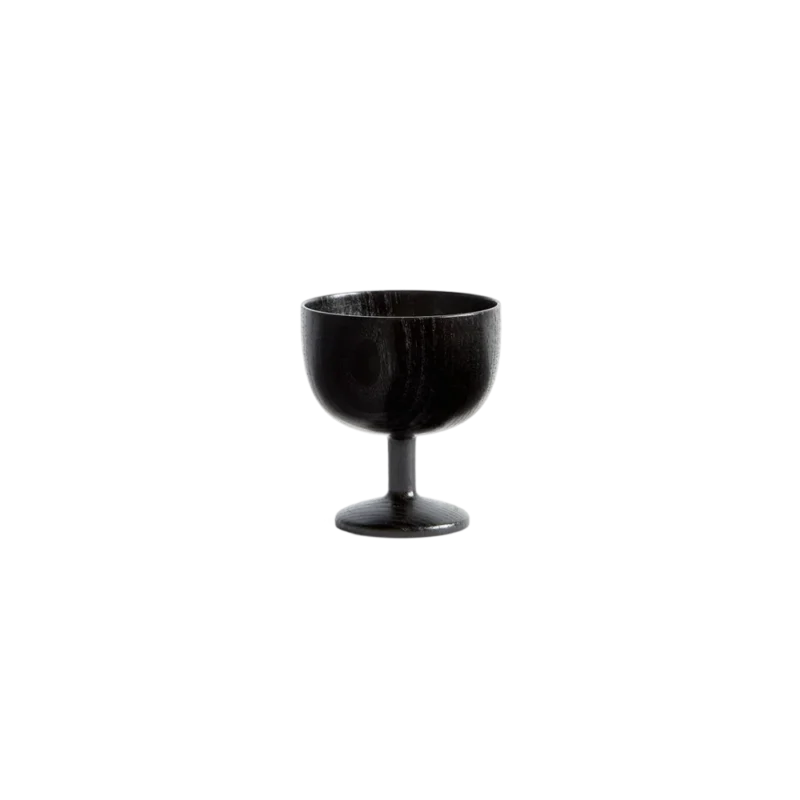
Zalto Denk'Art Universal Hand-Blown Crystal Wine Glasses, Set of 2

A wine glass so thin the rim disappears — and a stem that can snap on first use
Mouth-blown Austrian crystal so thin the rim nearly disappears between you and the wine. Fifty craftspeople produce every glass one at a time from lead-free crystal. One sommelier was among the first to put Zalto in at Gordon Ramsay.
The independent record confirms what the craft promises: a glass that gets out of the way and lets wine speak. The cost of that thinness is real fragility, and the professionals who chose alternatives are part of the evidence.
We may earn a commission · Why this matters
Mouth-blown Austrian crystal wine glass with signature 24/48/72-degree bowl angles, $156 for set of 2, six-generation craft tradition, dishwasher-safe yet fragile by design.
The argument
Why We Chose the Zalto Universal
The Zalto Universal's distinction is physical: a bowl built around three angles — 24, 48, and 72 degrees — that channels wine in a spiral movement, absorbing oxygen and developing flavour on every sip.
Those angles require the thinness; the thinness requires mouth-blowing; mouth-blowing requires roughly fifty craftspeople who train for seven years each. The production method is not ceremony — in our reading, it is what makes a glass this precise. Each glass takes fifteen minutes of skilled labour. The mechanism and the scarcity are one thing.
The fit
Who'll Love This
The person this glass fits wants the fragility. They are the wine appreciator who would notice the difference between a glass that shows wine and a glass that gets out of the way — the sommelier's household that brings out the Zalto for their finest bottles, the long-term owner who bought a carrying case for BYOB dinners, the buyer who used Riedel for years and calls this a significant step up.
The person it does not fit wants durability over sensory transparency. Pascaline Lepeltier, who holds the Meilleur Ouvrier de France distinction, does not use Zalto at her restaurant because it does not forgive any edge. Laura Rhys, a Master Sommelier, chose Lehmann for vineyard tastings because they survive being transported on a buggy. Both halves are proved by named professionals. Whoever ends up holding one should know that Zalto's own care rules say never to hold it by stem or foot on their own, and keeping a thin wine glass in one piece sets out the rest.
Perfect for someone who
- is building a serious wine collection
- wants to upgrade from service glass to hand-blown crystal
- is looking for a gift for a wine-appreciating friend
- hosts dinner parties
Skip for someone who
- values durability over sensory transparency
- has young children near the table
- has a budget under $50 per glass
- entertains outdoors or in high-traffic spaces
- lost a glass and cannot risk it again
Hand-blown crystal wine glass in the luxury stemware category, as sources designate it.
Statement PieceRequires knowing their taste
The Verdict
Our recommendation
Excellence and fragility from the same craft. The inseparability thesis is proved across seven independent sources: the paper-thin rim, the feather-light weight, the transparent sensory experience, and the breakage risk share a single origin in the mouth-blown production method.
The 24/48/72-degree bowl angles channel wine in a spiral that absorbs oxygen — a functional design whose authorship remains honestly disputed between the current Zalto company and Kurt Josef Zalto himself. The record carries both claims and cannot settle the disagreement.
What it can settle is what the glass does: independently confirmed by professional sommeliers and wine journalists, the sensory experience is real. The question is not whether this glass performs. It is whether you and your recipient accept the cost of that performance.
The Story
The Zalto Story
The Zalto family traces its roots to Venetian glassblowing, with ancestors who emigrated to Lower Austria's Neunagelberg. Six generations of that lineage stand behind the glasses you are considering. The current production relies on roughly fifty glassblowers, each of whom trains for seven years before producing a finished glass. Every glass is mouth-blown one at a time from lead-free crystal. Fifteen minutes of skilled labour go into each one. Recruitment is described as extremely difficult — the pool of people willing to train for years in a small forest community is small and not growing.
Kurt Josef Zalto, the sixth-generation designer, describes melting a significant number of glasses at Josephinenhutte, the glassworks he revived in 2019, that do not meet its quality requirements — functionally perfect glasses destroyed because of small bubbles. He views bubbles as proof of craftsmanship, but the market does not accept them.
Who designed the glass is an honestly unresolved question. The current Zalto company credits Father Hans Denk, an Austrian priest and wine connoisseur. Kurt Josef Zalto hotly disputes this account. Victoria Daskal, reporting for Club Oenologique, presents both sides without resolution: the current owners say Kurt's role was simply to produce Denk's designs, a version that is hotly disputed by Kurt himself. The authorship question is the interesting truth about this object's origin — a family business whose founding story is fought over by the people who made it.
What People Are Saying
The 435 reviews at 4.4 stars split on the same physical quality. Buyers who love the Zalto describe impossible thinness, feather-light weight, and a sensory experience that makes other glasses feel crude. Buyers who condemn it describe the same thinness — a stem that snapped on first use.
The sentiment IS the inseparability: reverence and breakage driven by the identical glass property. Long-term owners call it irreplaceable. One bought a carrying case. A sommelier household brings them out for their finest bottles.
"Lettie Teague, one of the wine columnists from the Wall Street Journal. Her father was a glassware merchant and she grew up around different kinds of glassware and indicated that Zalto was really the pinnacle of glassware."
"My husband was a somm and they brought these Zalto glasses out at his wine bar when customers ordered a pricey bottle of wine. We finally splurged and got some. They are thin but luxurious. The shape is exquisite."
"Beautiful wine glasses, but the stem broke the first time I used the glass. And I was careful! These are so fragile they are laughable. I would not recommend."
"We LOVE these glasses. Yes, they are perfectly designed to enhance your wine drinking experience. Once you own a Zalto you can never go back to "regular" wine glasses. They are quite special. I even bought a glass carrying case so I can take them with me to BYOB restaurants"
"These do feel like a significant step up from the Riedel Vinum range, which I have used and appreciated for years. Work well with both red and white wine. Very, very fine glass, good size, great feel, clearly very high construction standards (although glasses of this type are inevitably fragile)."
"they were given to my son and his fiancé and they loved them but unfortunately found the stem broken on one of them from Amazon shipping. I put in a refund request via Amazon and the seller reached out and offered to replace the broken glass and not having to ship the broken piece back."
Recognition
Featured in wine-pages.com, Glass of Bubbly and Club Oenologique
“they are a delight to hold with feather-light weight and perfect balance”
“what really impressed me was the transparent way they allowed the wines to express themselves”
“holding a piece of art in your hands that feels like you're hardly holding anything at all”
“Zaltos were for sure a revolution when they arrived, yet today we have more choice, with great design, less fragility and better prices”
The Moment
The first pour. You hand them the glass and they lift it — and the weight is not there. The rim is so thin it disappears against the lip. The wine opens in a way it never did in the glass they used before.
That absence — of weight, of barrier, of anything between hand and wine — is the moment. Feather-light, paper-thin, transparent expression. The WOW is what is not there.
The Gift Scene
The experience begins with that first pour and extends across months. One long-term owner describes Zalto glasses as irreplaceable once owned — they purchased a carrying case for bringing them to BYOB dinners. A sommelier household brings out the Zalto for their finest bottles, a ritual built around the glass.
Every pour is a fresh encounter with the thinness that defines the object. You are remembered each time the glass comes out, each time they notice, again, that the weight is not there. The gift does not expire with the wrapping.
The Aftermath
The weight that is not there. Every independent account of holding a Zalto for the first time describes the same surprise: the glass barely registers in the hand. The rim disappears against the lip. The wine opens.
Who are you buying for?
The worry
Is $156 too extravagant for a just-because gift between friends?
Just Because
Your wine-appreciating friend mentioned Zalto at dinner
You heard about these glasses at a dinner party — your friend poured into one and the wine opened differently. You noticed. Now you want to give them a set of their own, the kind of gift that says you were paying attention to what they care about.
The Zalto Universal handles any wine — red, white, everything — so you do not need to know their varietal preference. At 4.4 stars with 435 reviews and a sommelier who put them in at Gordon Ramsay, the evidence backs the choice. As for the price, research on no-occasion gifts finds no price limit on the delight they bring, leaving the second-guessing over the spend with you, not your friend. The gift box is included.
Fragility fear: dishwasher-safe by maker recommendation. The glass is more practical than it looks.
We LOVE these glasses. Yes, they are perfectly designed to enhance your wine drinking experience. Once you own a Zalto you can never go back to "regular" wine glasses. They are quite special.
The worry
She already owns wine glasses she loves. Will this feel redundant?
Birthday
She pours wine like a sommelier at your dinner parties
Her birthday is coming and she has opinions about stemware you did not know were possible. She already owns good glasses. You want something that surprises someone who thinks they have tried the best.
Independent wine journalists and sommeliers confirm the Zalto delivers a sensory experience above the glasses she likely owns. Tom Cannavan describes feather-light weight and perfect balance. A UK buyer who used Riedel for years calls the Zalto a significant step up. The difference is physical and immediate.
Redundancy fear: the Zalto is not another wine glass — it is a different category of experience. The rim is so thin it nearly disappears. A buyer who already owned Riedel Vinum called it a significant step up.
The worry
He has strong opinions about stemware. What if he prefers a different glass?
Anniversary
He used Zalto at work and you want him to have it at home
He knows wine professionally. He has used these glasses at tastings and in service. Getting him a set for home means the experience he gives his guests becomes something you gave him.
Jan Konetzki was one of the first sommeliers to put Zalto in at Gordon Ramsay. If he already knows the glass from professional use, the gift confirms his own judgement. If he does not, 435 reviews and independent editorial praise back the choice.
Opinion fear: Pascaline Lepeltier MOF likes the Zalto Universal for tasting and analysis. If he disagrees, the Zalto still works as the analytical glass in his collection.
My husband was a somm and they brought these Zalto glasses out at his wine bar when customers ordered a pricey bottle of wine. We finally splurged and got some. They are thin but luxurious. The shape is exquisite.
The worry
They are young and might not handle fragile stemware carefully enough.
Housewarming
Your adult child just got their own place and they care about wine
They are setting up a home. They already have the everyday glasses. You want to give them something that marks the occasion — the glass that turns an ordinary evening into something worth remembering.
One verified buyer gave Zalto glasses to their son and his partner — they loved them. The dishwasher-safe claim is real: the maker recommends the dishwasher over hand washing, which reduces the fragility concern for a new household learning care routines.
Fragility-for-youth fear: dishwasher-safe by maker recommendation. The glass asks for less care than it looks like it needs.
they were given to my son and his fiance and they loved them
The worry
They already own it. Or they have tried it and decided against it.
Thank You
They buy themselves everything — except $78 wine glasses
You are thanking someone who is difficult to shop for because they already own everything they want. A $78 wine glass is exactly the kind of thing they would admire but not purchase for themselves.
The Zalto Universal is the single glass that handles any wine. At $156 for a set of two, it feels considered without feeling reckless. The cult following among wine professionals means it carries recognition value for someone who knows their categories.
Already-owns fear: even if they have wine glasses, they likely do not have THIS wine glass. A UK buyer who used Riedel for years called the Zalto a significant step up. The difference is immediate and physical.
These do feel like a significant step up from the Riedel Vinum range, which I have used and appreciated for years.
The bottom line
If sensory transparency matters more than durability, this glass delivers — independently confirmed, at a price tracing to production reality nobody is faking. If durability matters more, professionals who chose otherwise are the evidence.
Where it's made
Neunagelberg, Lower Austria (via Venice, Italy)
Venetian glassblowing roots in Veneto, Italy. Ancestors emigrated to Neunagelberg in Lower Austria.
Six generations as leading family-rooted glassmakers in Neunagelberg. Mouth-blown one at a time from lead-free crystal.
From our research
Kurt Josef Zalto describes melting functionally perfect glasses at Josephinenhutte for small bubbles — flaws he views as proof of craftsmanship, which the market rejects. A maker admitting they destroy work for standards they disagree with is rarer than marketing claims.
The designer of one of the most celebrated wine glasses in the world is disputed by the family that makes it. The current company credits Father Hans Denk; Kurt Josef Zalto himself hotly disputes this. The record carries both claims and cannot settle the question.
Recommending a $78 glass when a verified buyer reports a stem breaking on first use. No systematic breakage data exists: no failure rate, no comparative study. The record carries events and professional avoidance, not statistics. Durability is not something this glass promises.
The maker recommends the dishwasher over hand washing — hand washing creates pressure and torque that increase breakage risk. Lead-free crystal stays clear for over a hundred wash cycles. The fragile-looking glass is safer in the machine.
Cannavan compared the Zalto against the Josephine: nearly indistinguishable quality, Josephine more elegance, Zalto more grip. Riedel dominates the high-end market; Zalto is the smaller, family-rooted, hand-blown challenger.
The score
Six generations of Venetian-rooted Austrian glassblowing. Mouth-blown one at a time, fifty craftspeople, seven-year training, fifteen minutes per glass. Lead-free crystal. Supported across five independent sources.
Paper-thin rim nearly imperceptible. Feather-light weight, impossible fragility. Tom Cannavan: delight to hold, perfect balance, wines express themselves transparently. Multiple independent voices confirm the same physical experience.
Gift use confirmed by multiple verified buyers. Every-pour ritual. Sommelier adoption at Gordon Ramsay. The gift-giving science strengthens the occasion. Slightly lower than glow and wow because the moment evidence is thinner — fewer independent voices describe the specific use occasion.
435 verified-purchase reviews at 4.4 stars on Amazon.
Trust sits at 7.0 because confidence 70 could not reach 80 — two visual-evidence points (gallery size, tagged posts) remained unscored, holding the ceiling at 80. The 10-point gap is specific and closable.
The evidence
Why we trust this
Seven independent sources across editorial, professional, consumer, and academic channels. Amazon as transaction-verified primary: 435 reviews, 4.4 stars, Verified Purchase badges on all visible US reviews. Reviews span multiple years. No independence inflation among the seven locked sources (one overlapping pair is non-locked). Confidence held at 70 by two unscored visual-evidence points.
The research behind this
20 verified claims from this product's record - last verified September 16, 2026
Rating and review data from
Quick facts
- Price
- $156
- Brand
- Zalto
- Category
- Kitchen & Dining
- Aesthetic
- Artisan Craft
- Great For
- Anniversary, Birthday
- Gift Type
- Statement Piece
- Type
- Keepsake
Value
$78 per glass, above Riedel's machine-made lines. Near the Josephine in quality per Cannavan. Price traces to hand-blown production: 50 craftspeople, seven-year training.
Common Questions
Why is the Zalto so expensive?
Each glass is mouth-blown by one of roughly 50 craftspeople who train for seven years. Fifteen minutes of skilled labour per glass. The price reflects a production reality that cannot be compressed — recruitment is extremely difficult and supply is at capacity.
Do Zalto glasses break easily?
One verified buyer reports a stem breaking on first use despite careful handling. No systematic breakage rate exists in the record. Pascaline Lepeltier MOF does not use Zalto at her restaurant — too unforgiving for service. Laura Rhys MS chose a competitor for vineyard tastings for durability. The record carries events, not statistics.
Zalto vs Riedel: which is better?
Riedel dominates the high-end stemware market with many product lines across consumer segments. Zalto is a smaller, family-rooted challenger — hand-blown, lead-free, family-rooted. Wine journalist Tom Cannavan compared both directly and found nearly indistinguishable quality: the Zalto slightly more grip, the Josephine slightly more elegance.
Are Zalto glasses dishwasher safe?
The maker recommends the dishwasher over hand washing. Lead-free crystal resistant to clouding and scratching, remaining crystal clear for over a hundred wash cycles in tests. Hand washing creates internal pressure and torque that increase breakage risk. The fragile-looking glass is safer in the machine.
Who designed the Zalto?
The current Zalto company credits Father Hans Denk, an Austrian priest. Kurt Josef Zalto, sixth-generation designer, hotly disputes this. The record carries both claims from named sources and cannot settle it. What is not disputed: measurable bowl angles and an independently testable sensory effect.
Why give someone a Zalto?
Verified buyers describe Zalto glasses as irreplaceable once owned. One purchased a carrying case for BYOB dinners. Another gave a set to their son. The glasses ship in a gift box. The experience — impossible thinness, feather-light weight — renews with every pour, making the gift live beyond the first opening.
More questions we have answered
No more questions? Buy it for $156
How We Validated This
Last updated- Press Club Oenologique Glass of Bubbly wine-pages.com The Taste Edit
- Retailer Amazon Winemonger
- Source Sherry 1983
AI found these sources, read them and wrote this page. Mark van Oosterwijck, who founded SleekNova, approved this product before it was researched, decides the rules the AI works under, and published this page. No brand paid to be reviewed or scored here.
Mark van Oosterwijck stands behind this verdict