When Letting Go Is the Gift: What 188 Young Adults Say Love Looks Like
Your adult child just got their first apartment. You want to help. So you buy them a fully stocked kitchen, a year of meal delivery, maybe furniture for the living room.
You meant: I love you.
They heard: I don’t think you can do this yourself.
A 2025 study from the Journal of Child and Family Studies asked 188 young Australians (ages 17-19) a question that seems obvious but rarely gets asked directly: What do your parents do that makes you feel loved?
The answer changes how we think about gifts.
The Six Ways Love Lands
Cassandra Dittman and her colleagues at the University of Queensland analyzed open-ended answers from an anonymous survey with thematic framework analysis to identify six core themes in how young people perceive parental love. The themes were: connectedness, involvement, support, acceptance, autonomy, and mutuality.
Five of those probably sound familiar. Parents who spend time together, who show up, who help out, who accept their children for who they are. Standard parenting advice.
The sixth one is the surprise.
Autonomy. Young adults specifically identified their parents’ encouragement of independence as an expression of love. Not tolerance of independence. Not grudging acceptance. Active encouragement.
Respect for their decisions and their independence was among the things these young people named. The message we take from it is “I believe in you,” rather than “I’m stepping away.”
The Reciprocity Finding
Dittman’s team discovered something else that matters for gift-givers: the relationship had become reciprocal.
Young adults in the study didn’t just receive love from parents. They actively expressed it back. Through practical assistance like helping with household tasks. Through emotional support when parents needed someone to talk to. Through gratitude and appreciation for what parents had done.
This reciprocity means gifts can flow in both directions. The graduate who gets an apartment doesn’t just receive. The parent who supported them through college deserves recognition too.
And the gift that works best in both directions is the same: something that says “I trust your judgment” rather than “Let me handle this for you.”
What This Means for Gifts
Gift advice, in what we read, tends to fix on the object. Find something they’ll use. Find something beautiful. Find something they’d never buy themselves.
Dittman’s research suggests we should focus on the message. What does this gift communicate about how I see the recipient?
A gift that does everything for someone says: I don’t think you can handle it.
A gift that gives them tools says: I believe in what you’re building.
The difference matters most during transitions. Graduation. First apartment. New job. Moments when someone is stepping into a new identity. At those moments, the gift that supports autonomy, that respects their emerging independence, communicates love more powerfully than the gift that tries to smooth the path.
Dittman, Burke & Chainey, 2025 · Journal of Child and Family Studies
What Your Gift Actually Says About How You See Them
188 young adults named autonomy among six ways they feel loved. In our reading, the message your gift sends matters more than the object.
You meant
I love you.
They heard
I don't think you can do this yourself.
The Message Your Gift Sends
The Research Insight
In our reading, the message is "I believe in you," not "I'm stepping away."
What Your Gift Actually Says About How You See Them
This scale maps gift approaches along a spectrum identified by Dittman, Burke & Chainey (2025): from gifts that do the work for someone (left) to gifts that equip them with tools and trust their capability (right). In a study of 188 young Australians, autonomy support was specifically identified as an expression of parental love. Gifts on the right side communicate "I believe in you" rather than "let me handle this for you."
Gifts in the Autonomy Zone
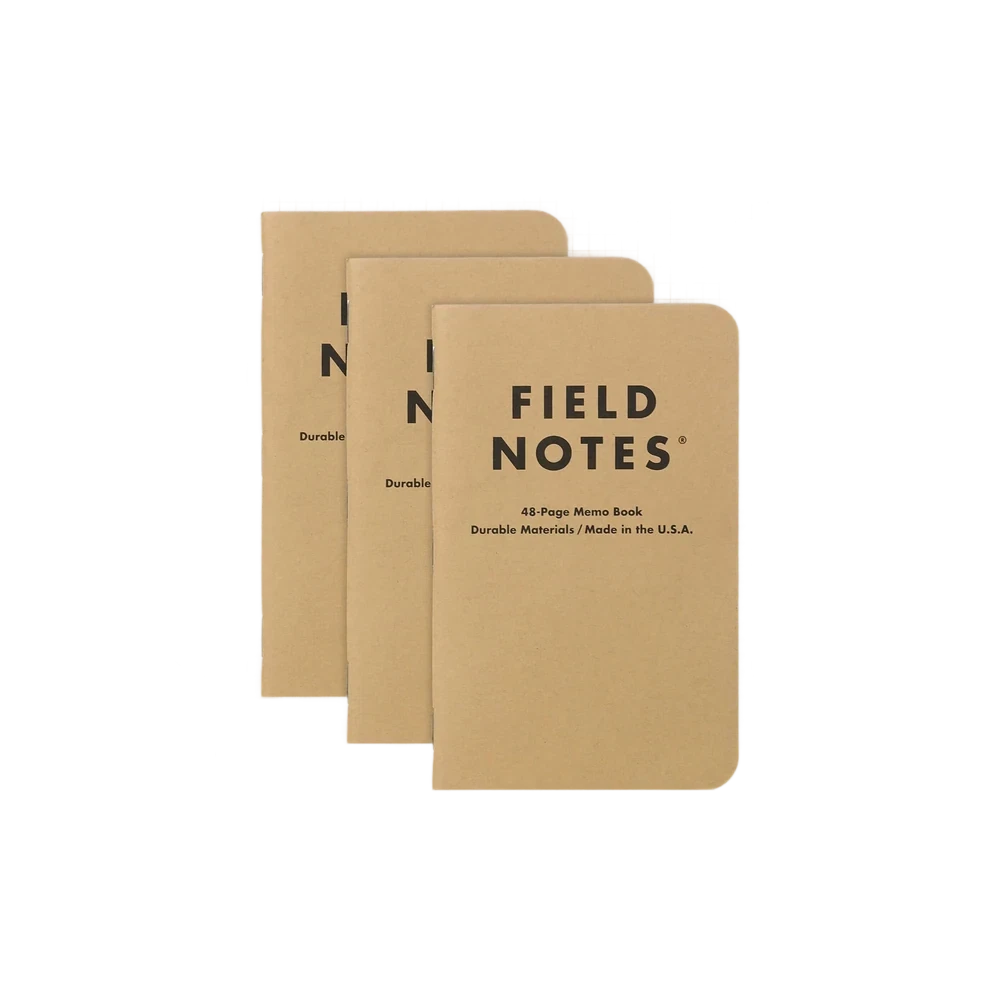
- Field Notes Original Kraft 3-Pack TRUST: 10.0 · $12.95
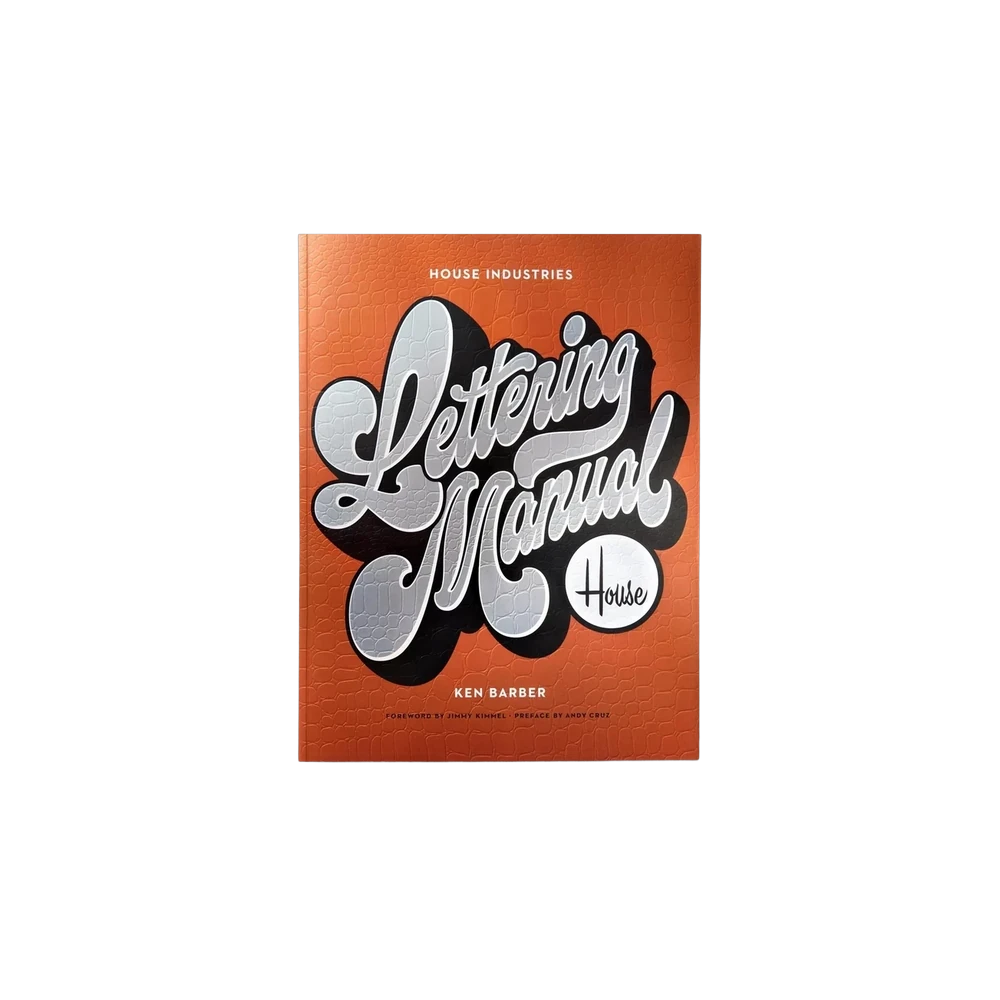
- House Industries Lettering Manual TRUST: 9.5 · $26
- TRAVELER'S Notebook Regular Brown TRUST: 9.8 · $60
SleekNova curates for the right side of this scale — gifts that say "I see who you're becoming" rather than "I'll do it for you."
Where Our TRUST Score Comes In
SleekNova’s TRUST pillar (15% of our total score) answers a narrower question than this study does: is there solid evidence the product itself is good? It weighs five things: whether the reviews sit on an independent platform or a marketplace that verifies purchases, how many there are and how recent, photos real buyers took in real settings, whether the praise reads like real people, and whether anyone outside the seller’s own channels is talking about it.
Dittman’s research is about the other half of a gift, what it says. A gift isn’t just an object. It’s a signal about how you see someone. Get that signal wrong and even a beautiful, useful gift can undermine the relationship.
The products below carry the message the study points to: I see you as capable. I’m giving you tools, not solutions. I trust you to write your own story. Their TRUST scores answer the separate question, from the evidence named under each.
Gifts That Say “I Believe in You”
Field Notes Original Kraft 3-Pack ($12.95) | TRUST: 10.0
Aaron Draplin hand-printed the first 200 Field Notes notebooks in 2005, and the brand’s own line is ‘I’m writing it down to remember it now.’ Three pocket notebooks, 48 pages each, with French Dur-O-Tone 80# Packing Brown Wrap covers.
Why this fits Dittman’s research: This gift says “write your own notes.” Not a pre-filled planner with someone else’s system. Not a guided journal with prompts. Empty pages waiting for their thoughts, their lists, their ideas.
The 7,272 Amazon ratings (4.7 stars) and NYT Wirecutter pick confirm the quality. But what makes it right for emerging adults is the message: your words matter. Capture them yourself.
Works for: Parent giving to a graduate. Adult child thanking a parent. The gift direction doesn’t matter because the message works both ways.
House Industries Lettering Manual ($26) | TRUST: 9.5
Ken Barber has taught lettering at Cooper Union and in sold-out workshops around the world. His work sits in the Smithsonian’s Cooper-Hewitt collection. Jimmy Kimmel wrote the foreword. This 200-page manual sets down his craft as technique, history, and professional practice.
Why this fits Dittman’s research: This is a “teach yourself” gift. Not a finished product. Not someone else’s work. A curriculum that trusts the recipient to do the learning themselves. The getting-paid chapter assumes the recipient will actually use these skills professionally.
That assumption of capability is built into the book’s structure. It holds 744 Amazon ratings at 4.8 stars, and one reviewer calls it “everything I ever wanted in other lettering and sign-work books that failed to deliver.”
Works for: Anyone with creative interests you want to support without directing. The gift says: your interest is worth real credentials. Here are the tools to develop it yourself.
TRAVELER’S Notebook Regular Brown ($60) | TRUST: 9.8
Designphil, a Japanese design firm, created the TRAVELER’S Notebook; it went on sale in March 2006. Leather hand-crafted in Chiang Mai, wrapped around one blank refill of Japanese MD paper. No rules inside. The kit arrives deliberately minimal: no planner inserts, no pen holder, no manual.
Why this fits Dittman’s research: This is a gift with no decisions made for the recipient. Blank, lined, grid, dot grid, kraft, watercolor — the refill system offers choices without making them. The leather cover stays while the refills inside it change, recording trips, scratches and handling while $5.50 inserts keep the system current.
4.8 stars on Amazon, with reviews at JetPens and Goulet Pens, back the design.
Works for: Anyone at a transition who needs a system, not a solution. The notebook arrives as raw material. What it becomes is entirely their decision.
The Application
Dittman and her colleagues studied Australian young adults at a specific life stage: the transition from late adolescence into emerging adulthood. The findings apply most directly to that moment.
But the underlying principle extends further. Whenever someone is building something new, whether that’s a career, a home, an identity, the gift that supports their autonomy will land better than the gift that does the work for them.
The parents in this study who got it right weren’t absent. They were present but not controlling. Involved but not directive. Supportive but trusting.
The gifts that match that approach aren’t empty gestures. They’re tools with real quality, real heritage, real capability.
But they leave the work to the recipient.
That’s not stepping back. That’s stepping forward in a way that says: I see who you’re becoming. I trust you to get there.
Source: Dittman, C. K., Burke, K., & Chainey, C. (2025). Young People’s Perspectives on Giving and Receiving Love from their Parents: A Qualitative Exploration During the Transition into Emerging Adulthood. Journal of Child and Family Studies, 34, 2538-2551. https://doi.org/10.1007/s10826-025-03101-3
Explore More
Products in This Research
The gifts that embody this study's findings