Why Do Beautiful Gifts Feel Like Better Gifts?
They thought beautiful people would be worse parents.
In 1972, three University of Minnesota researchers asked sixty undergraduates to look at yearbook photos and predict the lives of the people in them. Attractive individuals, the subjects assumed, would have happier marriages, more prestigious jobs, more fulfilling social lives, and greater total happiness.
The beautiful were expected to excel at essentially everything.
Except one thing.
When asked who would be better parents, the subjects rated attractive people lower than average-looking ones. Not by much, and not statistically significant, but the direction reversed. It was the only category where beauty didn’t win.
Karen Dion, Ellen Berscheid, and Elaine Walster called what they found the “what is beautiful is good” stereotype. Their paper, published in the Journal of Personality and Social Psychology, has been cited thousands of times since. The core finding holds up across decades of replication: we see something beautiful and immediately assume it possesses every other good quality too.
The 50-Millisecond Judgment
The stereotype works quickly. Later research by Lindgaard and colleagues (2006) would show that aesthetic judgments form in under 500 milliseconds. You don’t decide a product looks good. You know it before you’ve finished looking.
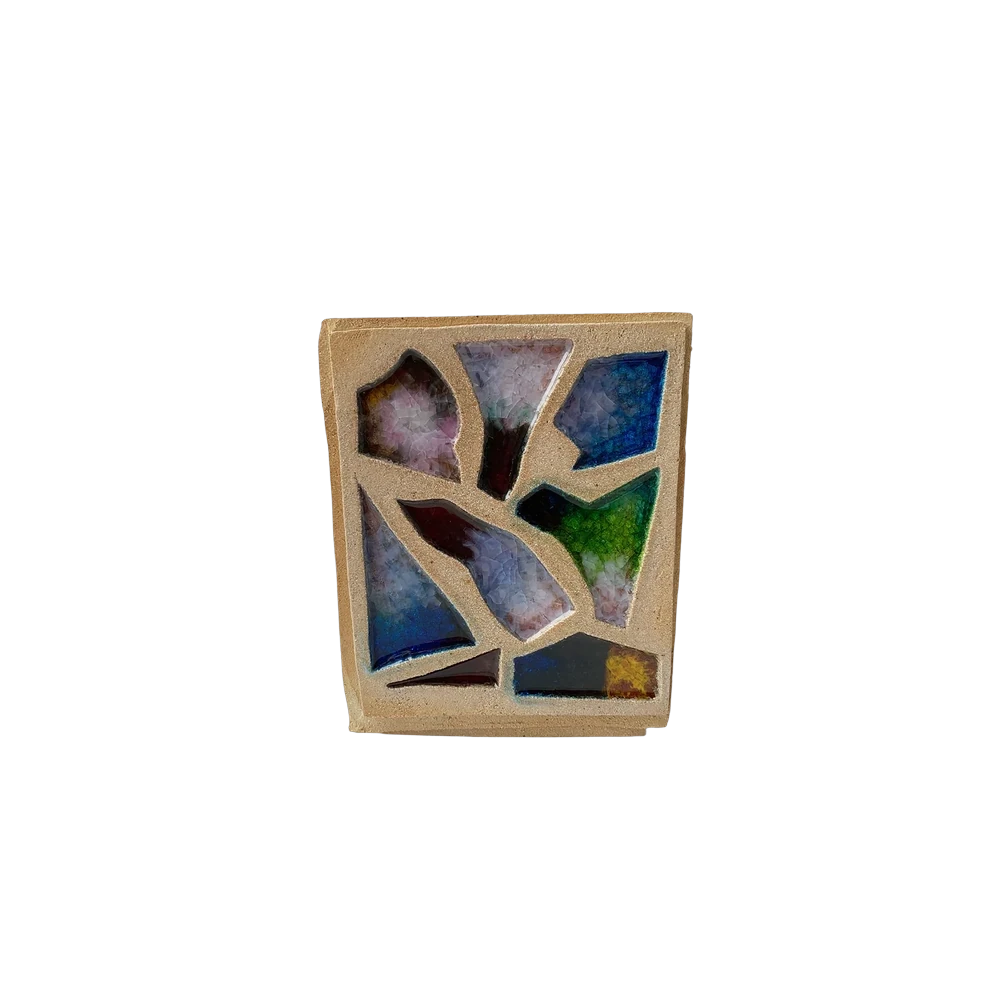
This is why the Morgan Peck Wide Mosaic Vase (WOW: 10.0) commands $325 for a ceramic vessel. Glass frit melted into the surface creates colors that shift like stained glass. Kelly Wearstler Gallery sells Morgan Peck’s work up to $10,500.
When you see those colors catch light, you don’t think “I should research the firing technique.” You think: this is exceptional. The beauty has already done its work.
Dion’s subjects weren’t asked to evaluate products. They were shown photographs of faces. But the mechanism transfers. We assume beautiful objects, like beautiful people, are “more socially desirable,” “more successful,” and “expected to lead better lives.” For a gift, that translates to: more thoughtful, higher quality, more likely to be treasured.
What the Numbers Actually Showed
The researchers had subjects rate people on personality traits using a scale where higher numbers meant more socially desirable characteristics. The results were unambiguous:
Unattractive stimulus persons scored 56.31. Average-looking people scored 62.42. Attractive people scored 65.39.
The F-statistic was 29.61, meaning this wasn’t noise. Beautiful people were reliably, consistently assumed to be better across the board. The subjects also predicted that attractive individuals would secure more prestigious occupations (F = 42.30), have happier marriages (F = 62.54), and experience more total life happiness (F = 24.20).
One might expect jealousy to interfere. Perhaps women would rate attractive women more harshly, or men would downgrade handsome competitors. The researchers tested for this. They found no Sex of Subject × Sex of Stimulus Person interaction. Everyone rated beautiful people as better, regardless of whether they were evaluating their own sex or the opposite.
The Heuristic in Action
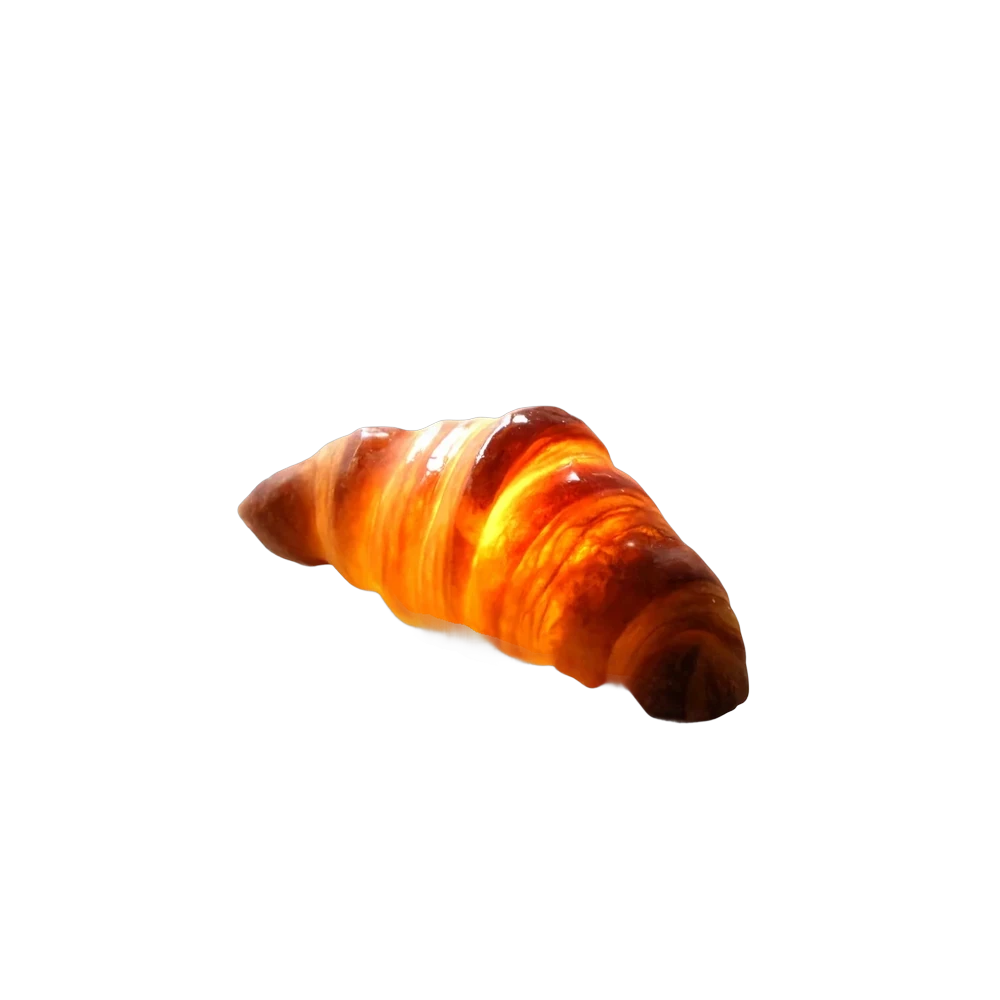
Consider what happens when someone unwraps the Pampshade Croissant Lamp (WOW: 10.0). It’s an actual croissant, hollowed and preserved by Japanese artist Yukiko Morita in her Kobe workshop, then fitted with an LED. The visual impact is immediate and strange.
Amber light passes through bread crust.
Before the recipient knows anything about the antibacterial resin treatment, the Maison & Objet exhibition, or Marie Kondo’s decision to stock it, they’ve already formed a judgment. The lamp looks like nothing they’ve seen. It looks considered. It looks like a gift from someone who found something remarkable.
That’s the beautiful-is-good heuristic at work. The object’s appearance does the heavy lifting. Everything else, the verification, the backstory, the credentials, arrives as confirmation of a conclusion already reached.
Why This Matters for Gift Selection
The 1972 study examined faces, not products. Extending its findings to gift-giving requires acknowledging what we’re claiming and what we’re not.
What we’re claiming: The same cognitive shortcut that makes us assume attractive people have better personalities also makes us assume beautiful products have better quality. First impressions, formed in milliseconds, color everything that follows.
What we’re not claiming: That beauty guarantees quality, or that ugly products are automatically inferior. The heuristic describes perception, not reality. A gorgeous lamp can still have a faulty switch. An unremarkable-looking tool can still outperform its sleeker competitors.
But in gifting, perception matters enormously. The moment of unwrapping is a moment of judgment. The recipient sees the object before they use it, before they read the card, often before they even understand what it is.
That first visual impression shapes everything.
The Beautiful-Is-Good Heuristic in Gift Perception
This scale visualizes the "beautiful is good" stereotype identified by Dion, Berscheid & Walster (1972). Aesthetic judgments form in under 500 milliseconds. Products with high visual impact (WOW scores 9.0+) automatically trigger assumptions of quality, thoughtfulness, and value. Below the activation threshold, recipients must evaluate gifts on other merits. Above it, beauty does the heavy lifting.
Products in the Heuristic Activation Zone
- Morgan Peck Wide Mosaic Vase WOW 10.0 · $325
- Pampshade Croissant Lamp WOW 10.0
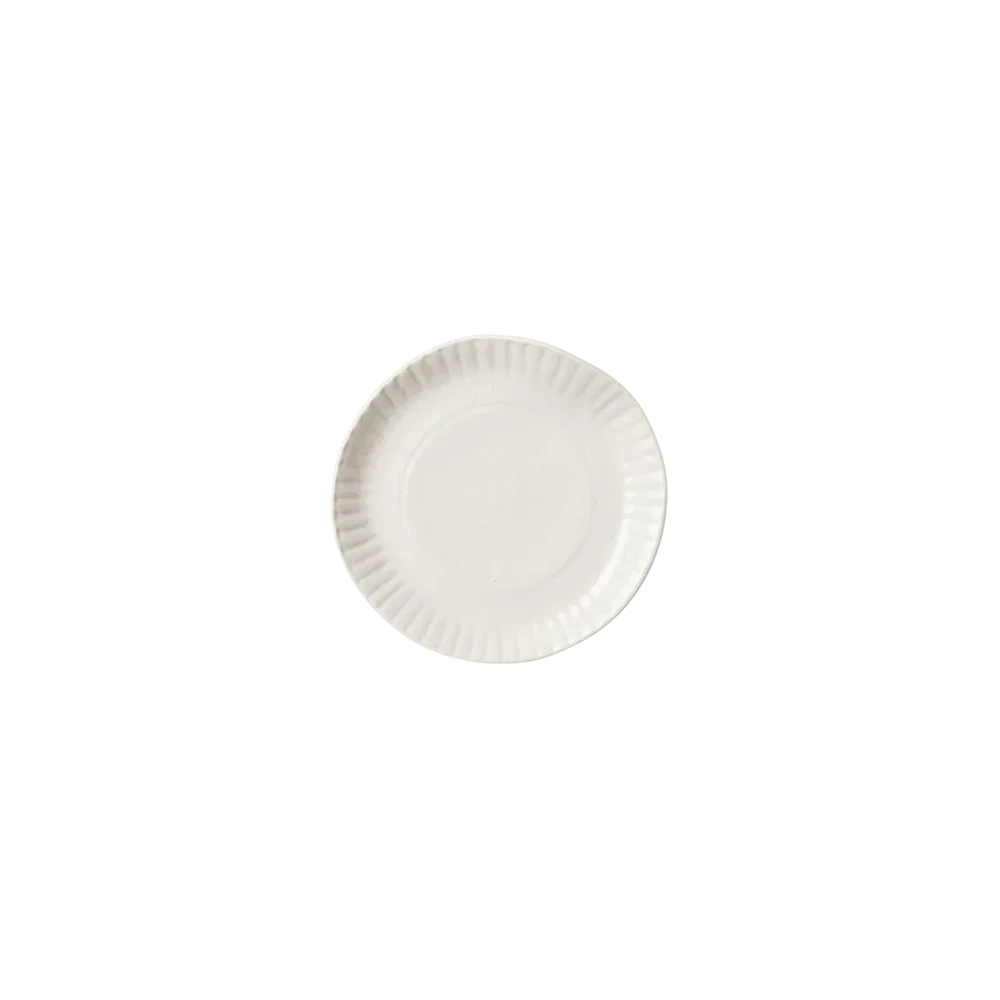
- SIN Porcelain Paper Plate WOW 10.0 · $72
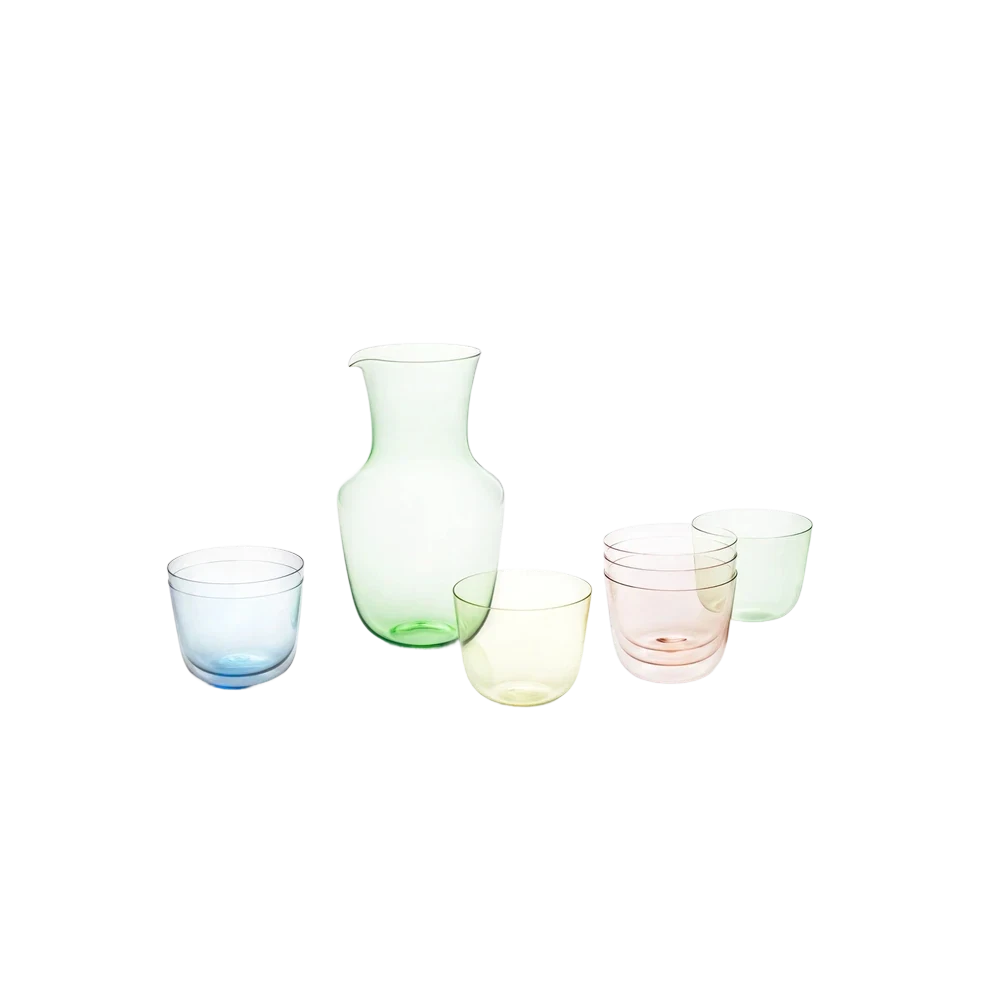
- Lobmeyr Alpha Tumbler WOW 10.0 · $94
- Craighill Jack Puzzle WOW 9.0
SleekNova weights WOW at 35% because aesthetics aren't just surface; they're the frame through which all other qualities are perceived.
Beauty Through Deception
The SIN Porcelain Paper Plate (WOW: 10.0) costs $72. It looks like a paper plate. It is porcelain.
Virginia Sin designed it in 2007; Hypebeast calls the collection a love letter to memory, family, and the overlooked beauty of the everyday. She handcrafts each one in her Brooklyn studio. The ridges, the creases, the slightly curved rim, all of it replicates the disposable form in museum-grade ceramic.
The New York Historical Society acquired it for their permanent collection. Eleven Madison Park used it for their picnic prix fixe course. It appeared in the final scene of The Menu.
In our reading, the beautiful-is-good heuristic works here through trompe l’oeil. The eye says “disposable”; the hand finds weight, smoothness, craft. What looked ordinary is revealed as exceptional, and, as we read it, the heuristic switches on: this object must be special, this gift must be thoughtful, this giver must have found something remarkable.
That is our extension of Dion’s research, which rated faces, not objects. No study we hold tests whether beauty that arrives through deception works more strongly.
This is why we weight the WOW pillar at 35% of the SleekNova Score, higher than any other dimension. Not because aesthetics are everything, but because aesthetics are first. They set the frame through which all other qualities are perceived.
The Parenting Exception
Why did beautiful people score lower on expected parenting ability?
Dion and her colleagues didn’t speculate extensively, but the finding hints at something interesting. Parenting might be the one domain where we associate warmth and availability with average appearance rather than exceptional beauty. Perhaps we assume that very attractive people are busy being successful, being social, being admired, and have less time for the unglamorous work of raising children.
Whatever the explanation, the exception proves the rule. In every other life domain the researchers tested, beauty predicted assumed superiority. Only in parenting did the heuristic fail to apply.
For gift-givers, the lesson is this: the beautiful-is-good shortcut is powerful but not universal. There are contexts where other qualities matter more. But in the moment of unwrapping, in the instant of first impression, visual impact carries enormous weight.
The Thinness That Communicates Everything
The Lobmeyr Alpha Tumbler (WOW: 10.0) is a water glass. It costs $94.
Hans Harald Rath designed it in 1952 for Lobmeyr, whose Starburst chandeliers were its gift to the Metropolitan Opera House for opening night. Lobmeyr’s history in Vienna dates back to 1823. Each tumbler is mouthblown into wet beechwood molds where steam cushions the glass so it never touches the mold surface. Cooper Hewitt acquired 163 Lobmeyr pieces for their permanent collection.
When someone lifts the Alpha Tumbler, the weight registers first. Muslin crystal this thin feels different from any glass they own. The rim against their lips tells them everything the credentials would confirm later. The beauty of extreme refinement, of material pushed to its thinnest possible expression, triggers the same heuristic Dion identified: this must be quality, this must be rare, this must be from someone who understands what excellence looks like.
Dion’s research suggests this isn’t superficiality. It’s cognition. We’re wired to use appearance as a proxy for deeper qualities. Fighting this tendency is possible but effortful. Working with it, choosing gifts that leverage the heuristic, is simply more effective.
Precision as Beauty
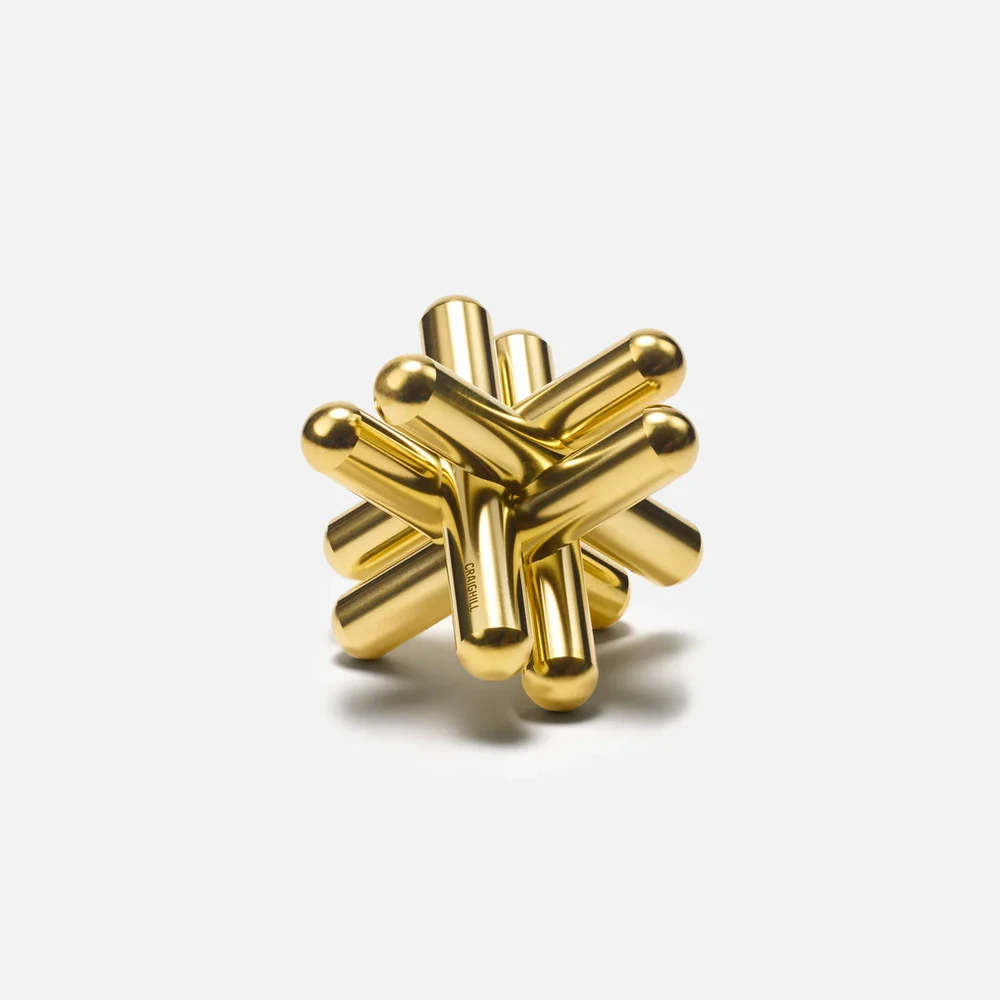
Not all beauty is color and curve. The Craighill Jack Puzzle (WOW: 9.0) is six notched brass bars that interlock in exactly one way. It weighs over a pound. Each piece is milled to tolerances tight enough that the assembled puzzle feels like a single object.
This is a different kind of beauty: the beauty of precision, of material density, of engineering made visible. When someone picks up the Jack Puzzle, the weight registers immediately. The warmth of brass, the smoothness of the bars, the visual complexity of interlocking geometry, all of it registers in the first handling.
The beautiful-is-good heuristic applies here too. We see precision and assume competence. We feel weight and assume value. The brass looks expensive, so we expect the puzzle to be challenging, the craftsmanship to be real, the gift to be thoughtful.
What Dion’s Team Proved
Fifty years of research have refined but not overturned the core finding. Beautiful things, like beautiful people, receive the benefit of the doubt. We assume they possess qualities we haven’t verified. We expect them to succeed in domains we haven’t tested.
For gift-giving, this creates both opportunity and responsibility. The opportunity: a gift that looks exceptional starts with an advantage. The recipient’s first impression is favorable, and that impression colors everything that follows.
The responsibility: beauty alone isn’t enough. A gift that looks remarkable but disappoints in use, that falls apart or fails to function, creates a backlash proportional to the initial expectation. The beautiful-is-good heuristic sets a standard that the product must then meet.
This is why verification matters alongside visual impact. Products like the Morgan Peck vase have gallery credentials to back their appearance. The Pampshade lamp has 122 reviews at 4.9 stars. The SIN plate sits in a museum permanent collection. The Lobmeyr tumbler comes from a house that gave the Met Opera its opening-night chandeliers. The beauty promises quality. The credentials confirm it.
Lab Note
The original 1972 study examined facial attractiveness in person perception. We extend its implications to product design, recognizing that beauty heuristics operate similarly across domains. The sample was American college students; cultural variations in beauty standards may affect the strength of the effect. Extensive replications support the core finding, but the precise mechanisms by which product aesthetics trigger quality assumptions remain an active area of research.
Explore More
- The WOW Pillar: Why first impressions carry 35% of the SleekNova Score
- Our Methodology: How we verify that beautiful products are also good ones
- The 50-Millisecond Gift: Lindgaard’s research on instant aesthetic judgment
- All Studies: The peer-reviewed research behind our scoring system
Products in This Research
The gifts that embody this study's findings