The Hidden Dimension of Beautiful Gifts: Why Order Beats Creativity
Ask a designer what makes something beautiful and they’ll mention creativity, originality, sophistication.
Ask a researcher and you get a different answer.
In 2004, Noam Tractinsky and Talia Lavie conducted a series of factor analyses on aesthetic perception. What they found surprised them: beauty isn’t one thing. It’s two.
And only one of them makes people perceive quality.
Two Dimensions, One Winner
The researchers identified two distinct dimensions of perceived aesthetics through rigorous psychometric analysis:
Classical aesthetics: Clean. Clear. Symmetrical. Pleasant.
Expressive aesthetics: Creative. Original. Sophisticated. Fascinating.
Both dimensions are real. Both contribute to perceived beauty. But here’s what the correlation data revealed: classical aesthetics correlates with perceived quality at r=0.68 to r=0.78. Expressive aesthetics? Only r=0.40 to r=0.46.
Translation: when you want something to feel valuable, order beats creativity by a significant margin.
Order and Complexity
The finding maps to a deeper principle in design theory. Order without complexity produces boredom. Complexity without order produces confusion. The gifts that feel expensive thread the needle: enough visual interest to engage, enough clarity to communicate quality.
We think this may be part of why minimalist Japanese ceramics fetch a premium though they look simple. The Ando bowl in off-white porcelain shows the balance: sixteen petals laid out after the imperial seal supply the order, and iron speckles left by chance in its mountain ash glaze supply the complexity. We read the same balance in Scandinavian design’s name for quality. The classical aesthetic dimension, the clean and orderly one, does the heavy lifting for quality perception.
What This Means for Gift Selection
When browsing gifts, your brain is running two parallel aesthetic evaluations. The expressive channel notices creativity and originality. The classical channel notices order and clarity. Both matter.
But if you want the recipient to perceive the gift as high quality, prioritize the classical dimension.
Look for clean lines. Look for symmetry. Look for pleasant forms that don’t require explanation. The “how did you find this?” reaction comes partly from discovery, but also from the immediate perception that this object is well-made. EEG research confirms this happens neurologically—the brain’s early response to design quality differs within 100 milliseconds.
Why Order Beats Creativity for Perceived Quality
Research found two dimensions of beauty. Only one drives quality perception. Here's how gifts map across both.
Why Order Beats Creativity for Perceived Quality
This quadrant maps gift products across two aesthetic dimensions identified by Lavie & Tractinsky (2004): classical aesthetics (clean, symmetrical, orderly) on the horizontal axis, and expressive aesthetics (creative, original, fascinating) on the vertical axis. Their research found that classical aesthetics correlates with perceived quality at r=0.68 to r=0.78, nearly double the r=0.40 to r=0.46 for expressive aesthetics. The upper-right quadrant contains gifts that are both discoverable and valuable: creative enough to surprise, orderly enough to feel expensive.
Products in the Discoverable & Valuable Zone
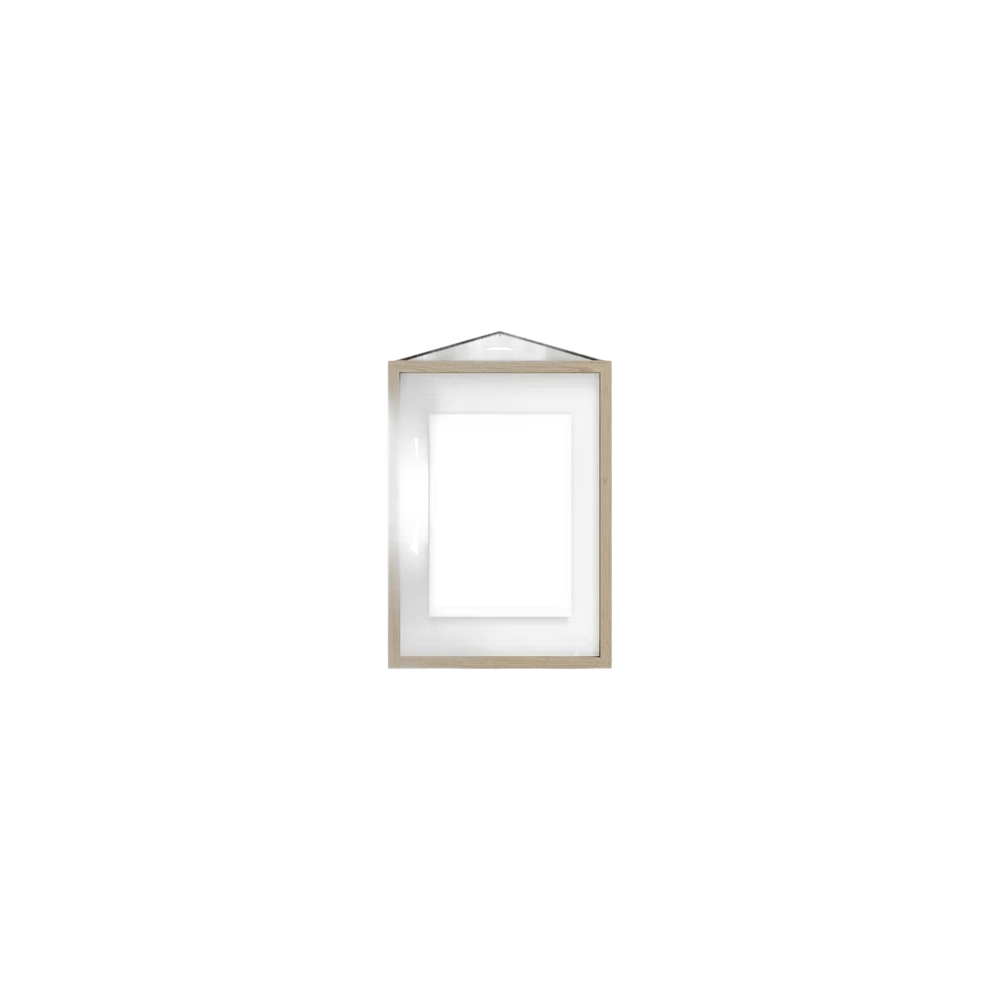
- MOEBE Frame WOW 9.0 · $54
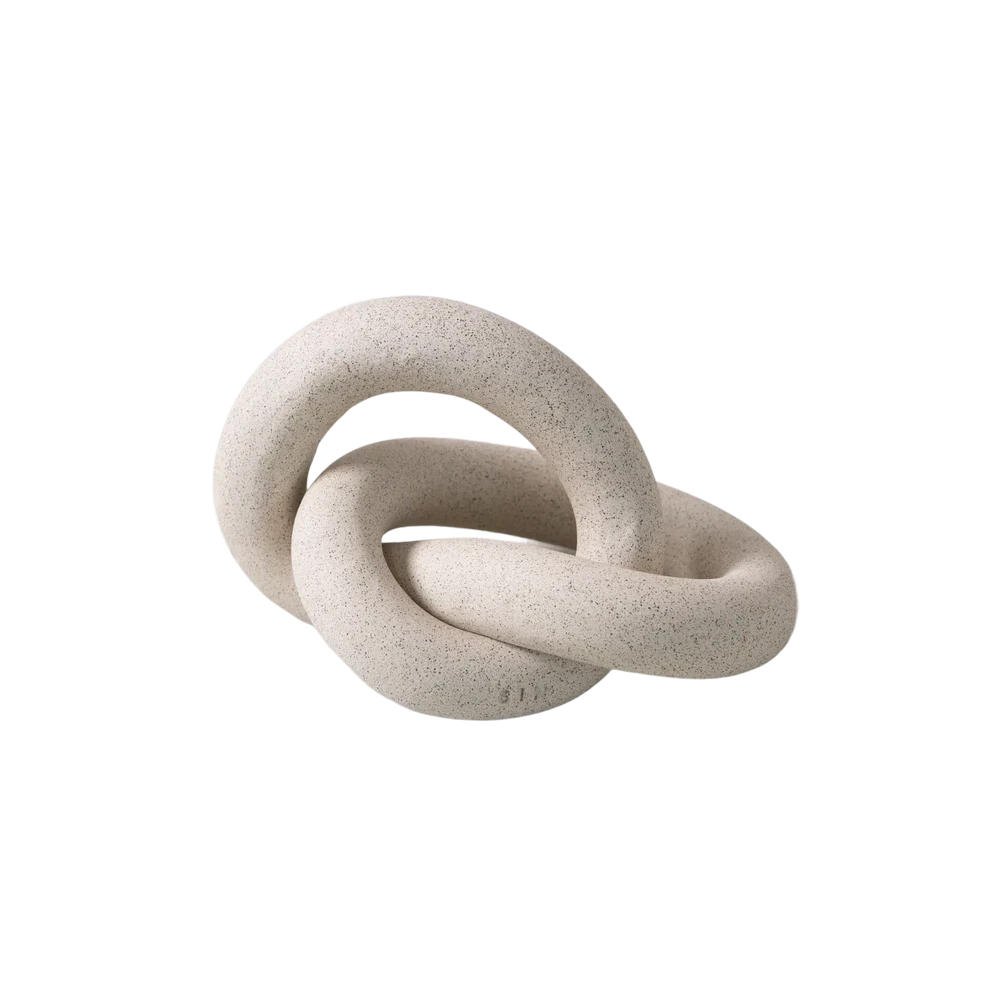
- SIN Infinity Knot WOW 9.0 · $80
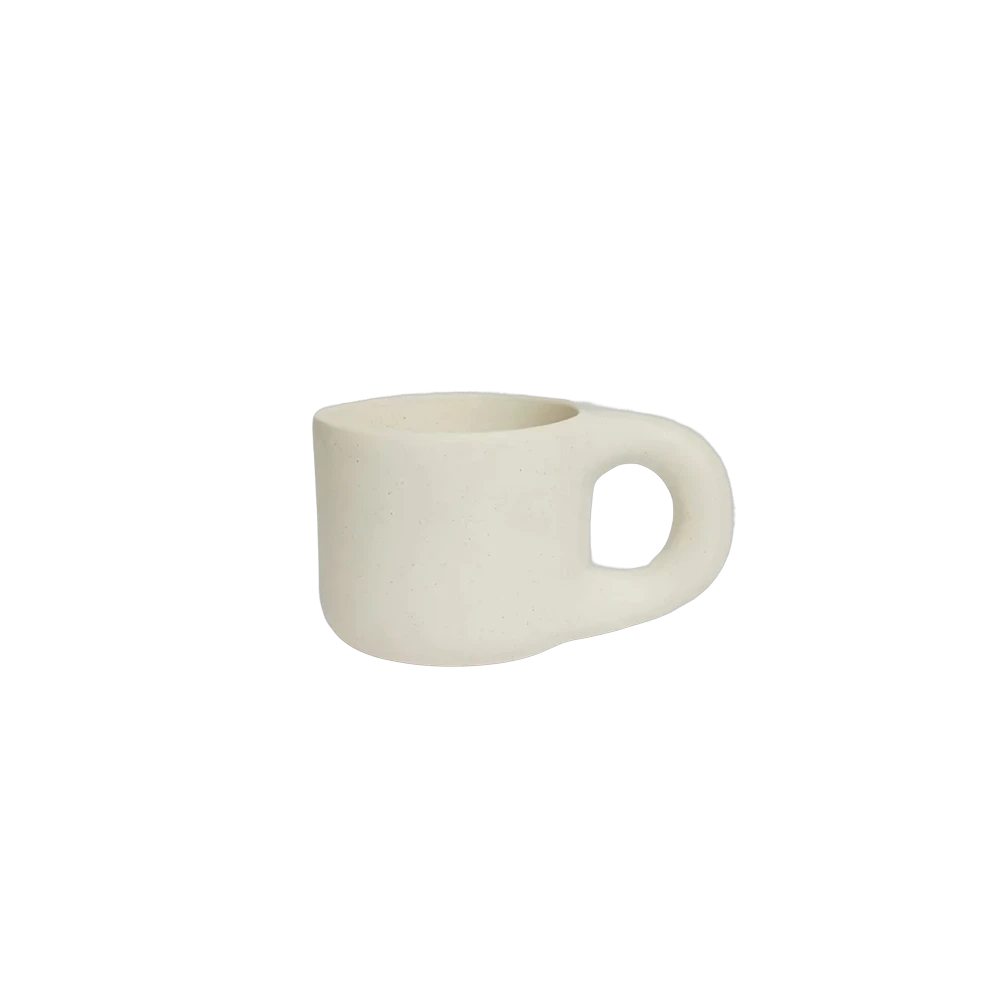
- Toogood Dough Mug WOW 9.0 · $55
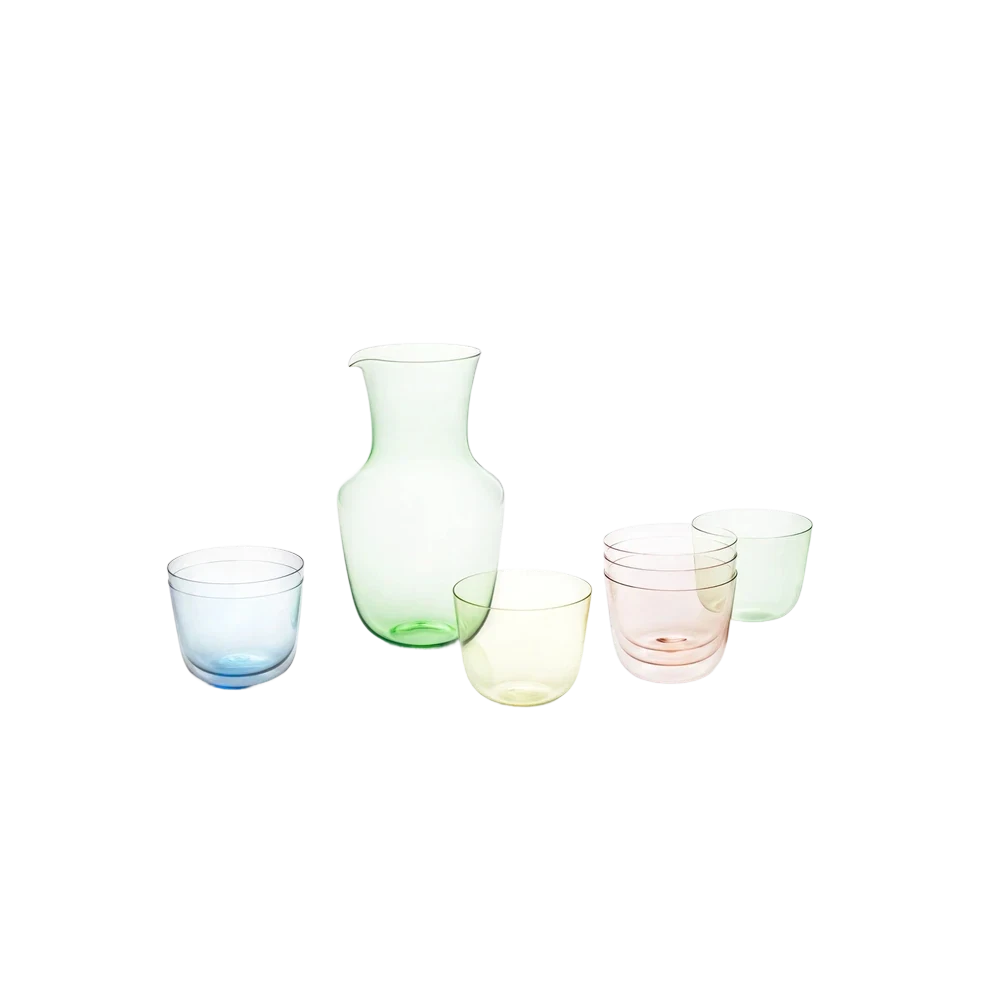
- Lobmeyr Alpha Tumbler WOW 10.0 · $94
SleekNova curates for the upper-right quadrant: gifts with enough visual interest to prompt discovery, and enough classical order to communicate quality.
View study →
Classical Aesthetics in Practice
Four products from the SleekNova catalog demonstrate how classical aesthetic principles create quality perception:
MOEBE Frame ($54)
MOEBE’s founders reduced the picture frame to its essential elements: four oak slats, two acrylic sheets, one rubber band. Nothing extra.
The rubber band does everything. It holds the frame together and hangs it on the wall. This radical simplicity is classical aesthetics taken to its logical endpoint. The result is a frame that looks more expensive than its $54 price suggests. WOW: 9.0
SIN Infinity Knot ($80)
Virginia Sin’s ceramic sculpture takes a mathematical form, the infinity symbol, and renders it in speckled stoneware. Two intertwined loops in perfect symmetry. The form needs no explanation. It communicates completeness through geometry alone.
Lavie and Tractinsky would recognize this as classical aesthetics: the symmetrical form creates immediate quality perception. WOW: 9.0
Toogood Dough Mug ($55)
Faye Toogood is 2025’s Designer of the Year, and the Philadelphia Museum of Art and the Denver Art Museum both collect the designer’s work. Toogood’s Dough Mug demonstrates that classical aesthetics doesn’t mean rigid geometry.
The curves are harmonious. The proportions are pleasant. The matte cream glaze is uniform. Order appears through visual consistency rather than straight lines. The sculptural handle is unexpected, yet the overall form remains clear. WOW: 9.0
Lobmeyr Alpha Tumbler ($94)
Hans Harald Rath designed this tumbler in 1952 for Lobmeyr, which later gave the Metropolitan Opera House its Starburst chandeliers for opening night. The muslin glass is blown into wet beechwood molds where steam cushions the surface.
Classical aesthetics at its most extreme: material refined until it nearly disappears. The form dates to 1952. Cooper Hewitt acquired 163 Lobmeyr pieces for their permanent collection. Order expressed not through geometry or proportion, but through material purity. WOW: 10.0
View the Lobmeyr Alpha Tumbler →
The WOW Connection
The WOW dimension accounts for 35% of the SleekNova Score because discovery is the core of gifting. Lavie and Tractinsky’s research adds precision to what “discoverable” means.
The gifts that prompt “how did you find this?” combine both aesthetic dimensions: expressive qualities that create surprise, and classical qualities that communicate value.
All four products above score WOW 9.0 or higher. They’re unusual enough to feel like discoveries. They’re orderly enough to feel expensive.
Lab Note
Lavie and Tractinsky conducted their research on website interfaces, not physical products. The two-dimension structure has been replicated across domains, but the specific correlation strengths may vary for gift objects.
What remains robust is the finding that classical aesthetics, the orderly dimension, does more work for quality perception than expressive aesthetics. When selecting gifts, this suggests prioritizing clean design over mere creativity.
Explore More
- The WOW Dimension – Why discovery carries 35% of the SleekNova Score
- Japandi Gifts – Products embodying clean Japanese-Scandinavian aesthetics
- Our Methodology – How research shapes our scoring
- The 50-Millisecond Gift – Another study on instant aesthetic judgment
Lavie, T. & Tractinsky, N. (2004). Assessing dimensions of perceived visual aesthetics of web sites. International Journal of Human-Computer Studies, 60(3), 269-298. https://doi.org/10.1016/j.ijhcs.2003.09.002
Products in This Research
The gifts that embody this study's findings