The Most Romantic Relationships Are Also the Most Fragile. So They Give More Gifts.
The most romantic relationships are also the most fragile. So they give more gifts.
That sounds backwards. If a relationship is secure, wouldn’t couples relax? Wouldn’t they feel less pressure to prove anything?
Researchers discovered the opposite is true. When commitment feels precarious, the solution is simple: you give more gifts. Not fewer.
And not because you’re compensating for problems. Because gifts are literally signals of ongoing commitment in environments where walking away is always an option.
The Paradox of Relational Mobility
Komiya and colleagues published their findings in Evolution and Human Behavior in 2019. The study asked a question that evolutionary psychologists had been circling for decades: why do people give romantic gifts at all?
The answer lies in something called “relational mobility.” Societies differ in how freely people form and dissolve relationships. In high-mobility cultures (like the United States), you can leave a relationship relatively easily. In low-mobility cultures (like Japan), relationships are more stable but also more constrained.
Your options are limited. Your commitment is assumed.
The researchers hypothesized that people in high-mobility environments would give gifts more frequently. The logic follows from costly signaling theory: when commitment cannot be assumed, it must be demonstrated. And the demonstration has to cost something.
Otherwise, it’s just talk.
Study 1: The Cross-Cultural Test
The first study compared married couples across two nations with dramatically different divorce rates. The United States had a crude divorce rate of 3.2 per 1,000 people. Japan’s rate was 1.8 per 1,000. If relational mobility drives gift frequency, American couples should gift more often.
They did.
American married couples reported significantly higher gift-giving frequency than Japanese married couples. But here’s what made the finding remarkable: the researchers also measured unmarried couples. And for those couples, there was no difference between countries.
Think about what that means. The effect only appeared in established relationships where commitment should already exist. Dating couples in both cultures gave gifts at similar rates.
It was only after marriage that the divergence appeared. High-mobility Americans kept signaling. Low-mobility Japanese relaxed.
Study 2: Within-Culture Variation
A skeptic might argue that something else explains the U.S.-Japan difference. Cultural attitudes toward gift-giving. Different holiday schedules. Some unmeasured variable that has nothing to do with relational mobility.
So the researchers ran a second study within Japan only. If relational mobility truly drives gift frequency, then Japanese couples with more outside relationship opportunities should gift more than those with fewer alternatives.
They used data already collected: a secondary analysis of the Japan Institute of Life Insurance’s Survey on Life Attitudes of Married Couples, read for each respondent’s relational opportunities.
The finding held. Among Japanese married couples, those with greater relational opportunities gave romantic gifts more frequently. Same culture. Same holiday calendars. Same baseline expectations.
The only difference was how easily each person could theoretically leave. And the ones who could leave more easily were the ones gifting the most.
Deep Dive DD-2026-041 · TRUST Pillar
The Anatomy of a Commitment Signal
Why the most romantic gifts are beautiful, somewhat useless, and given repeatedly.
The Research Says
When commitment cannot be assumed, it must be signaled. The signal has to be costly or it means nothing. A gift that costs nothing signals nothing. A gift that represents sacrifice signals: I am still choosing you.
3.2
U.S. divorce rate per 1,000
1.8
Japan divorce rate per 1,000
The Anatomy of a Commitment Signal
This scatter plot maps romantic gift products across two dimensions derived from Komiya et al. (2019): signal purity (whether the gift creates a moment rather than solving a problem) and ritual potential (whether it enables ongoing shared experiences rather than a one-time gesture). Costly signaling theory predicts the upper-right quadrant is optimal for romantic gifts: products that are beautifully non-practical and invite repeated use together.
Products That Signal Commitment
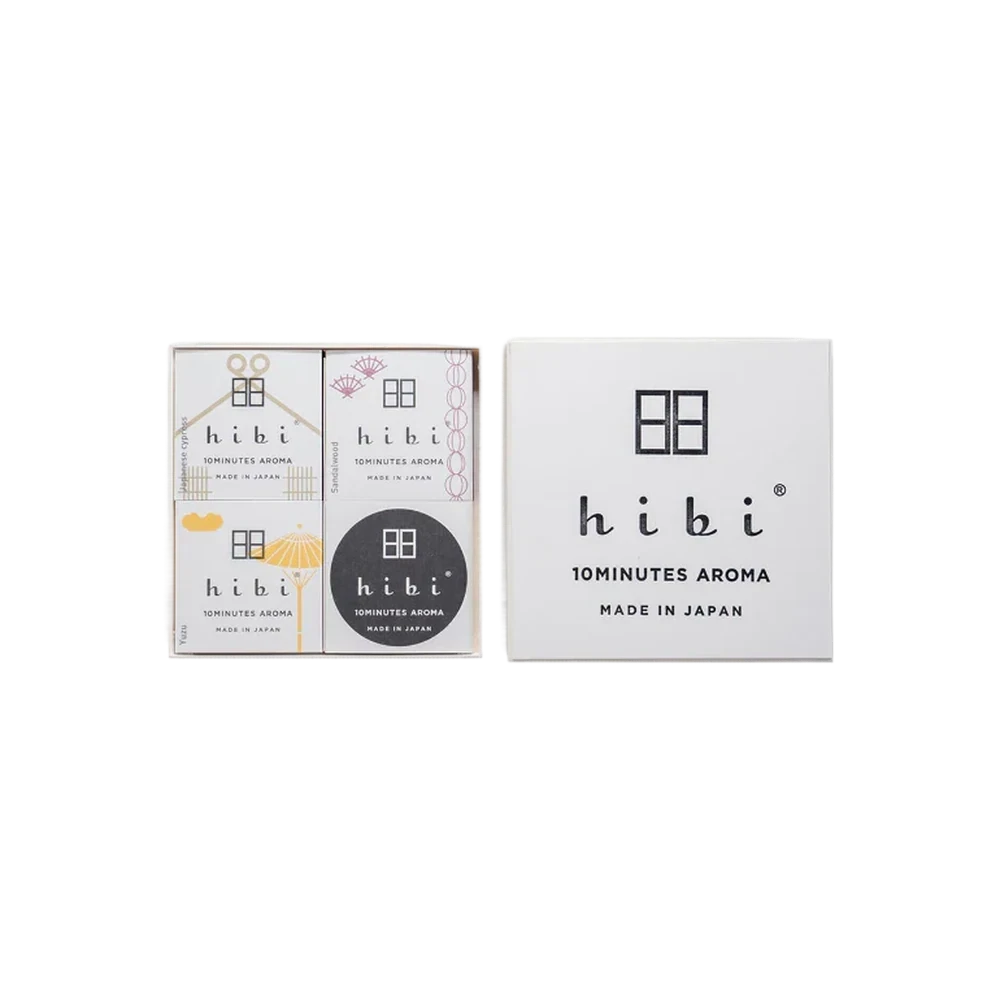
- Hibi Incense Matches TRUST 8.0 · $46
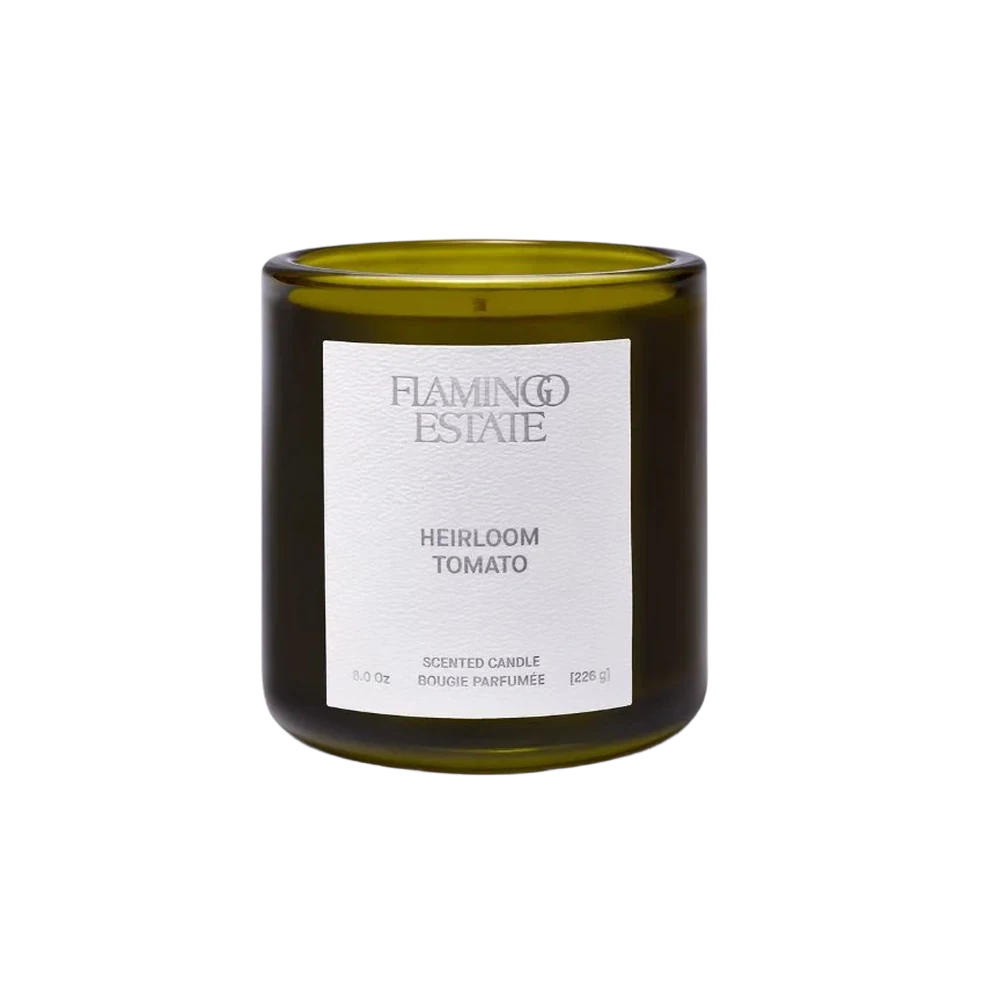
- Flamingo Estate Roma Candle TRUST 9.0 · $60
- Skultuna Kin Tealight Set TRUST 6.0 · $105
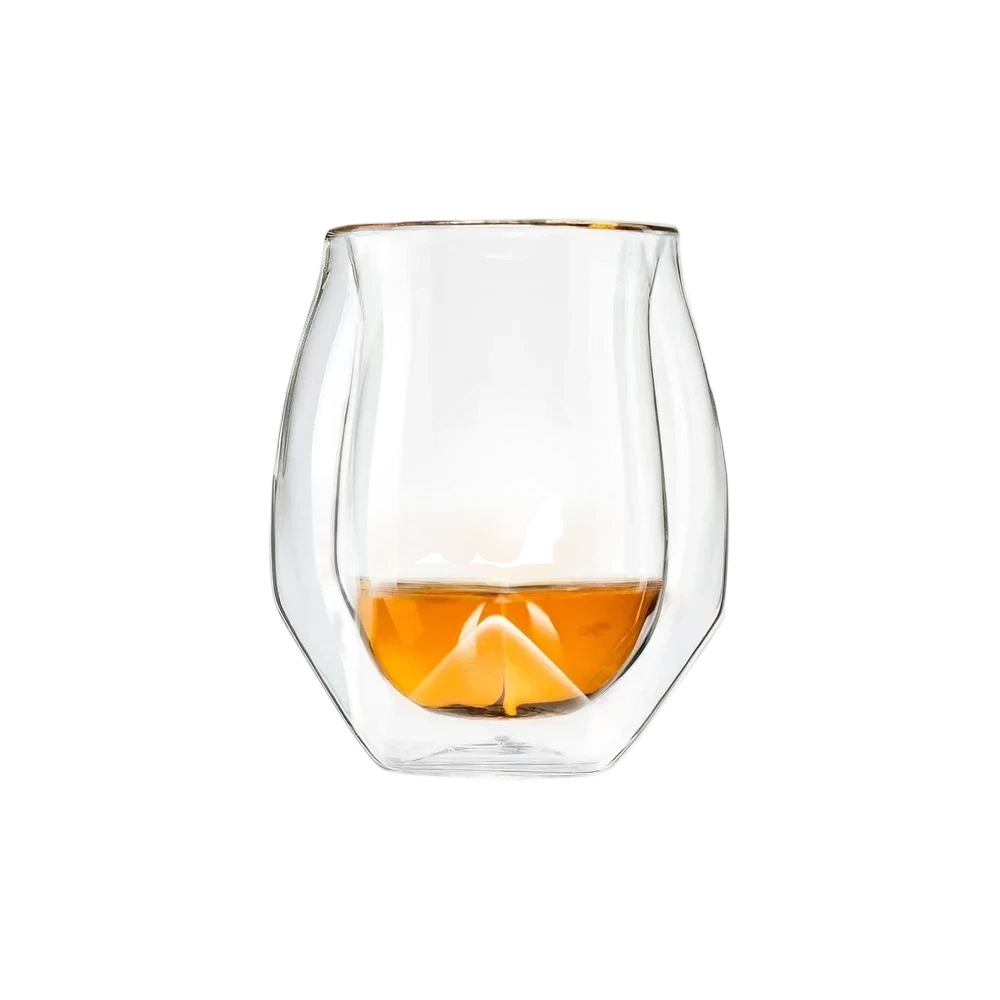
- Norlan Glass TRUST 9.5 · $32
- Usuhari Tumbler TRUST 8.0 · $44
SleekNova curates gifts in the upper-right quadrant: objects that exist to create shared moments, not solve problems. That is the anatomy of a commitment signal.
Based on Komiya, A., Ohtsubo, Y., Nakanishi, D., & Oishi, S. (2019). Gift-giving in romantic couples serves as a commitment signal: Relational mobility is associated with more frequent gift-giving. Evolution and Human Behavior, 40(2), 160-166. DOI: 10.1016/j.evolhumbehav.2018.10.003
What This Reveals About Gift-Giving
The insight here isn’t about Japan versus America. It’s about the function of romantic gifts in any context where options exist.
Evolutionary theorist Geoffrey Miller wrote that romantic gifts like “flowers, jewelry, chocolates, and candles do not increase a woman’s survival prospects as much as they reduce a man’s bank account.” That reduction is the point.
The gift signals commitment precisely because it represents a real cost. Anyone can say “I love you.” Giving a gift that costs time, effort, or money says “I’m investing in us instead of keeping my options open.”
This is what anthropologist Daniel Hruschka’s model of friendship predicted would happen in romantic relationships too. The same mechanism that makes friends exchange favors to prove ongoing alliance makes romantic partners exchange gifts to prove ongoing commitment.
The signal has to be costly or it means nothing. A gift that costs nothing signals nothing. A gift that represents sacrifice signals: “I’m still choosing you.”
The Boundary Condition You Need to Know
The research revealed something important about when this effect does NOT apply: new relationships.
Dating couples showed no cross-cultural difference in gift frequency. The commitment signaling function only kicked in after the relationship was established. Early-stage romance has a different dynamic. Both parties are still evaluating. Neither expects permanent commitment yet.
But once a relationship crosses into assumed commitment (like marriage), the need for ongoing signaling depends entirely on how stable that commitment is. In low-mobility environments, the commitment is structural. In high-mobility environments, the commitment must be continuously reaffirmed.
Why This Matters for Your Next Gift
SleekNova’s TRUST pillar checks something else: whether the evidence around a product shows it is good. What a gift communicates is up to the giver, and for romantic gifts the science suggests the message is: “I’m still choosing you.”
That message requires three elements the research implies:
1. Visible cost. The gift should represent genuine sacrifice of time, effort, or money. Not necessarily expensive, but clearly not effortless.
2. No practical necessity. The more “useless” the gift in survival terms, the purer the signal. Flowers say “I chose beauty for you” precisely because they serve no practical function.
3. Ongoing frequency. In high-mobility environments, a single gift doesn’t secure commitment. The signaling must continue. In the model the paper applies, gifts communicate each partner’s commitment, and the likelier a marriage is to end, the more often that commitment needs confirming.
Products That Signal Commitment
Based on this research, the ideal romantic gift is beautiful, somewhat costly, and not strictly necessary. Objects that exist purely to create shared moments. Things that say “I thought about us” rather than “I solved a problem you had.”
Flamingo Estate Roma Heirloom Tomato Candle (TRUST: 9.0, $60). Miller’s quote names candles among romantic gifts that “do not increase survival prospects as much as they reduce a bank account.” This one comes from a regenerative estate in the LA hills, hand-poured from non-GMO soy wax into recyclable green glass. The scent captures tomato vines after evening watering — herbaceous, peppery, not sweet. The Tomato Collection’s 1,121 reviews give it 4.9 stars. Oprah chose it for Favorite Things in 2021. JW Marriott brings it to select hotels. At $60, it costs less than flowers that die in a week but creates shared evenings that smell like a garden at dusk — exactly what commitment signaling theory predicts would work.
Skultuna Kin Tealight Set (TRUST: 6.0, $105). Three brass holders from a Swedish foundry King Karl IX established in 1607. Royal Warrant holders for four centuries. The candlelight catches polished brass and throws golden reflections across the room. This gift creates a shared evening ritual. Every dinner becomes slightly more intentional. And the provenance gives the giver something to say: “This is older than our country. I wanted something that would last.”
Norlan Glass (TRUST: 9.5, $32). A master distiller with 53 years in the business endorsed it without being paid. One reviewer finds the double-wall design keeps “the whiskey from getting affected by your body temp.” German Design Award winner, with two international design awards. This creates a shared ritual: the evening pour, together. The commitment signal here is subtle but present. “I noticed how you drink whisky. I found something that makes it better. I care about your small pleasures.”
Hibi Incense Matches Gift Box (TRUST: 8.0, $46). A match company spent three years developing a formula. Strike it like a match. It burns like incense. A short burn of fragrance, no commitment beyond that. This gift enables repeated small gestures. A match before bed. A match during morning coffee together. Good Design Award 2019. The commitment signal is in the frequency: “I keep thinking of ways to make ordinary moments better for us.”
Usuhari Tumbler (TRUST: 8.0, $44). Shotoku started blowing light bulbs in 1922. When factories automated, the craftsmen pivoted to drinkware. The walls are 0.9mm thin. The rim disappears against your lips. Featured in Bon Appetit. Used at Sushi Noz in New York City. This transforms an evening drink into a sensory experience you share.
The Pattern That Emerges
Notice what these products have in common. None of them solve problems. All of them create moments.
They’re consumable or experiential rather than permanent. They exist to be used together, not displayed alone.
That’s exactly what commitment signaling theory predicts. The gift that says “I’m still choosing you” is the gift that creates a shared experience rather than a practical benefit. Flowers die. Candles burn down. Whisky glasses empty.
And each time that happens, there’s an opportunity to gift again.
In high-mobility environments, the most romantic thing you can do is keep choosing to give. The research confirms what poets have always known: love isn’t proven once.
It’s proven repeatedly.
Explore More
- What TRUST Measures: How we verify products actually deliver what they promise
- Our Methodology: The science behind every SleekNova score
- Candles and Fragrance: The classic romantic gift category, decoded
- Barware: Gifts that create shared evening rituals
Lab Note
This analysis is based on Komiya et al. (2019) published in Evolution and Human Behavior. The study measured gift-giving frequency through self-report across two studies (cross-cultural and within-culture). Effect sizes and exact sample sizes were not available in our source materials. The directional findings (higher mobility correlating with higher gift frequency) are consistent across both studies, but readers should note that the research specifically measured romantic gift frequency, not gift quality or recipient satisfaction. We extend these findings to suggest that certain product categories may function better as commitment signals, but this extension was not directly tested in the original research. The Geoffrey Miller quote comes from his 2000 work The Mating Mind (p. 329).
Verified via SleekNova TRUST Research Library (Komiya et al., 2019)
Products in This Research
The gifts that embody this study's findings