Nobody Is Comparing Your Gift to Theirs
Your friend’s birthday party is next week. You’ve picked something thoughtful, something you know she’ll love. Then you hear what someone else is bringing. More expensive. More impressive.
Suddenly your gift feels inadequate.
You consider upgrading. Or maybe skipping the party altogether.
This instinct, according to twelve studies from Carnegie Mellon and University of Pittsburgh researchers, is completely wrong.
What the Research Found
Julian Givi, Jeff Galak, and Christopher Olivola ran 12 studies examining something most gift research ignores: what happens when you’re not the only person giving a gift. Birthdays. Holidays. Showers. Parties. The settings where multiple gifts arrive and comparison seems inevitable.
The finding was consistent across every study: recipients focus on thoughtfulness, while givers incorrectly assume recipients focus on relative gift value.
Jeff Galak put it plainly: “If I gave one bottle of cheap wine as a gift, but another person gave a bottle of expensive wine, I would incorrectly assume that the recipient would appreciate the gesture of giving the expensive bottle more than mine.”
The key word is “incorrectly.” Recipients don’t make that comparison.
Givers assume they do.
The Self-Other Asymmetry
Here’s what makes this research particularly useful: the researchers identified why givers get it wrong.
When you’re the recipient, you know what matters to you. The thought. The gesture. The fact that someone showed up with something they picked for you.
But when you’re the giver, you project a different standard onto the recipient. You assume they’ll judge your gift against others, even though you wouldn’t do that yourself.
The researchers call this a self-other asymmetry. Everyone focuses on thoughtfulness when receiving. Everyone assumes others focus on relative value when giving.
The Behavioral Consequences
This misperception creates real problems.
When givers know others are bringing gifts, they do one of two things: spend more to upgrade their gift, or skip the occasion entirely.
Both responses stem from the same false belief that recipients are comparing.
The first response costs money unnecessarily. The second costs relationships.
Christopher Olivola offered the antidote: “The next time you find yourself fixating on how your gift might compare to other gifts, consider instead how you would feel if you were in the recipient’s shoes. If you are like most consumers, the gift giving gesture is what would really matter to you, and chances are the recipient feels the same.”
What This Means for Multi-Giver Occasions
This research applies specifically to group gift-giving contexts. Birthday parties. Holiday gatherings. Baby showers. Wedding celebrations. Any occasion where multiple gifts arrive.
The implication is clear: your thoughtful $25 gift will land just as well as someone else’s impressive $100 gift. What the recipient remembers is that you showed up with something you chose for them. Chosen for them is the operative phrase: one buyer’s physics-obsessed dad and uncle were wowed by a glass Klein bottle, and another buyer’s advice is not to order one for anyone to whom the name means nothing.
The comparison trap is a giver’s invention.
Recipients never set it.
What Givers Think Matters
Relative Gift Value
"They'll compare my $25 bottle to someone's $100 bottle"
Result: Upgrade spending or skip the event entirely
The Feared Comparison
Someone Else's Expensive Wine
$100
What Recipients Actually Feel
Thoughtfulness
"They showed up with something they picked for me"
Result: Appreciate the gesture regardless of price
12 Studies
Every study showed the same pattern: the comparison trap exists only in the giver's mind.
The Comparison That Only Happens in Your Head
This visualization shows the gap between giver psychology and recipient reality, based on Givi, Galak & Olivola's 12 studies (2021). On the left: what givers fear, that recipients will judge their gift against more expensive ones. On the right: what recipients actually feel, gratitude for thoughtfulness, with no comparison to other gifts. The research found this pattern in every study: the comparison trap exists only in the giver's mind.
Gifts That Prove Thought Over Price
- The Duo Gift Set by Graza TRUST 10.0 · $42
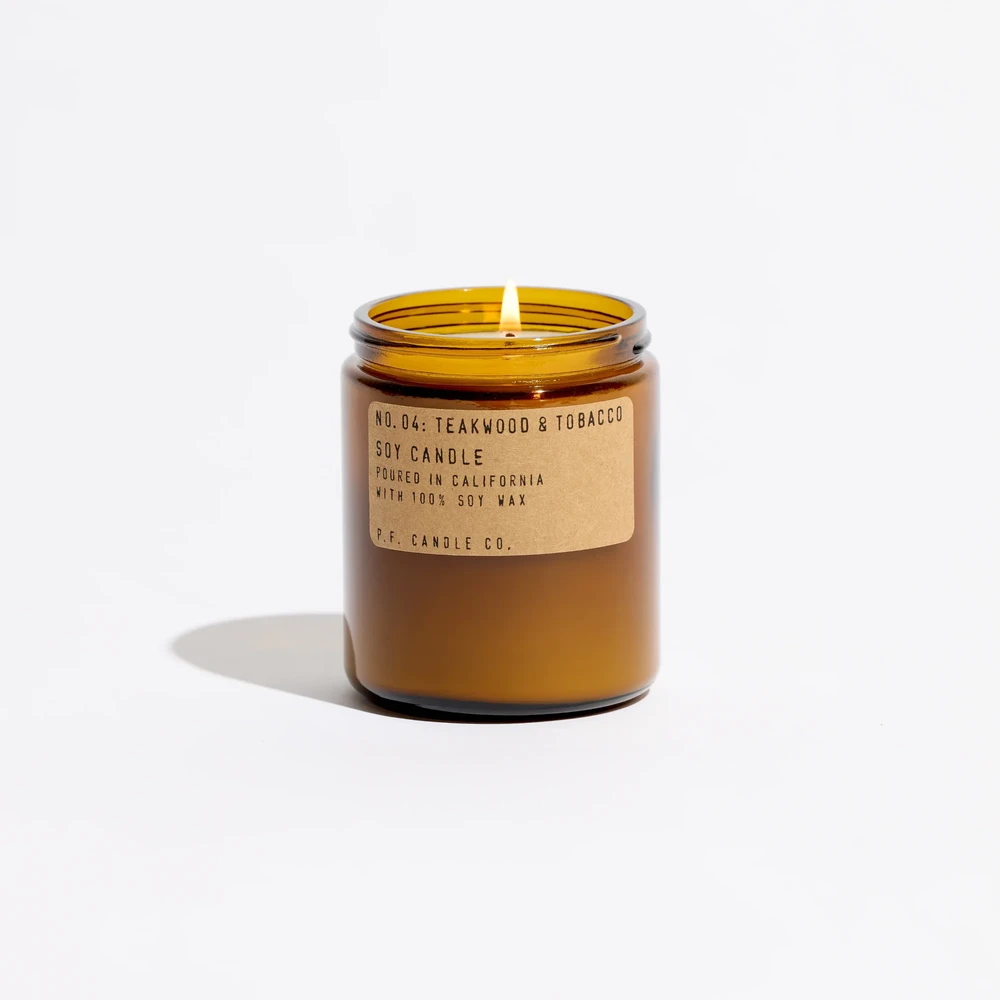
- Teakwood & Tobacco Candle by P.F. Candle Co. TRUST 8.8 · $24
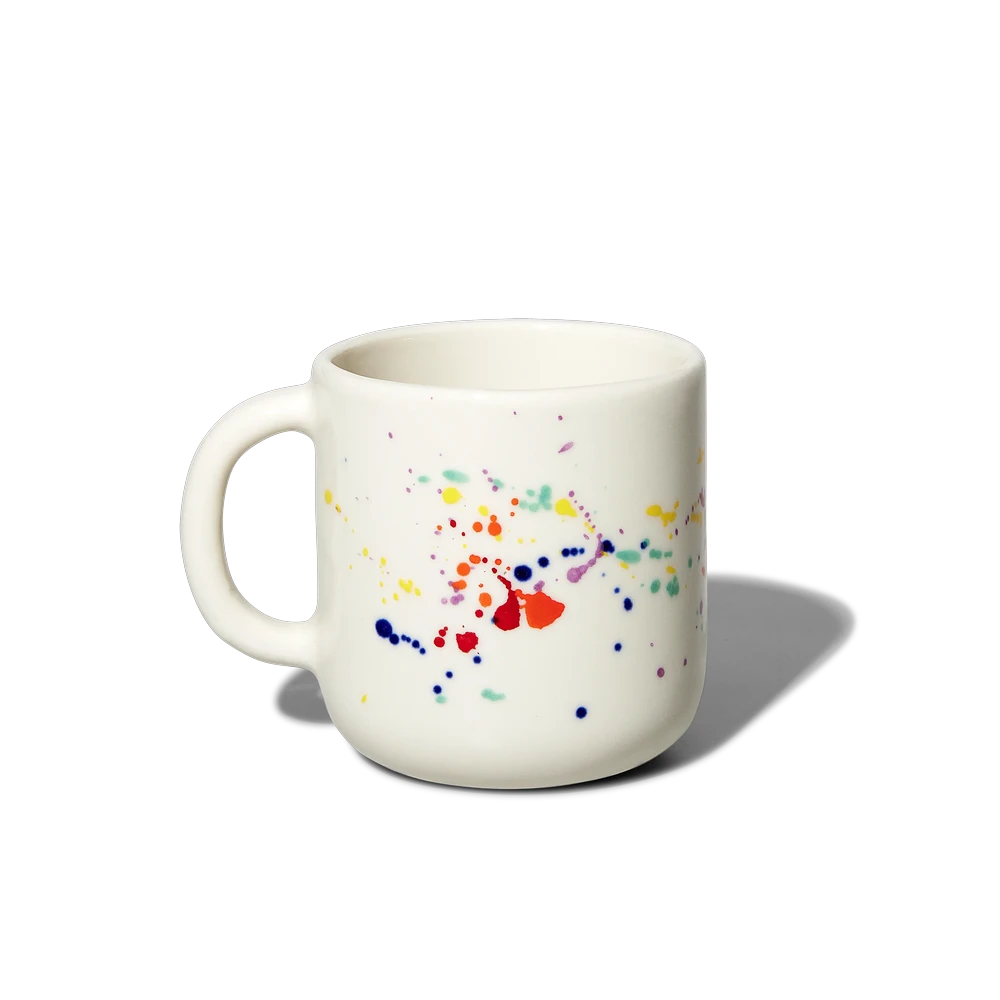
- Confetti Coffee Mug by Felt+Fat TRUST 8.5 · $47
- The Design Book by Phaidon TRUST 8.0 · $24.95
- Sea Air Soap by Wary Meyers TRUST 8.0 · $18
SleekNova curates gifts that demonstrate thoughtfulness, the only dimension recipients actually measure.
How SleekNova Measures This
Our TRUST dimension (15% of the SleekNova Score) evaluates whether a gift can be verified as actually good. That is a question about the evidence behind a product. This research is about the giver’s side of a gift, the thoughtfulness recipients actually perceive, which TRUST does not measure.
TRUST does not score whether a gift says “I thought about this” or “I spent a lot.” The research confirms recipients notice the former, not the latter.
Five Gifts That Prove Thought Over Price
Each of these demonstrates thoughtfulness without chasing relative value.
The Design Book by Phaidon
$24.95 | TRUST: 8.0
Five hundred design objects in a pocket-sized Phaidon hardcover. Reviewers call it “a whole museum in one hand.” At the birthday party, someone else might bring a bigger gift. This one proves you noticed that your friend saves design posts, comments on glassware, has opinions about fonts.
The gesture is specific. The price is irrelevant.
The Duo Gift Set by Graza
$42 | TRUST: 10.0
Wirecutter’s #1 olive oil in a two-bottle gift set. Single-origin Picual olives from Jaen, Spain, with a harvest date printed on every label. 4,474 reviews at 4.9 stars.
At the housewarming, someone else brings wine. You bring something that changes how they cook every meal. Both bottles migrate to the counter within the hour, and neither leaves.
The comparison never happens. The olive oil gets used tonight.
Teakwood & Tobacco Candle by P.F. Candle Co.
$24 | TRUST: 8.8
What people find when searching for a thoughtful gift. LA-made since 2008. Woody, smoky, grounding.
At the holiday exchange, someone might bring a more expensive candle. Recipients won’t compare. They’ll light this one because you chose it, not because it outspent the alternatives.
Confetti Coffee Mug by Felt+Fat
$47 | TRUST: 8.5
Handmade in Philadelphia by a studio that supplies 200+ restaurants. Six colors splattered by hand, one at a time. Reviewers say it has “aura.”
At the colleague gift exchange, this mug sits on their desk three months later. Not because it was the most expensive gift in the room. Because it was the most thoughtful.
Sea Air Soap by Wary Meyers
$18 | TRUST: 8.0
John Meyers made window displays for Anthropologie’s NYC flagships; John and Linda now make soap in Maine. The MOCA Store stocks it. A24 collaborated on its Test Card soap. Breton stripes suspended in translucent glycerine.
At $18, you’re not trying to impress. You’re proving taste. The research says recipients notice that distinction.
Lab Note
This research specifically examined multi-giver scenarios. The findings may not generalize to one-on-one gift exchanges where comparison isn’t possible. The self-other asymmetry documented here requires a context where other gifts exist to compare against.
The studies also measured perception and satisfaction, not long-term relationship outcomes. Whether thoughtfulness over time builds stronger relationships than occasional impressive gifts remains an open question.
The Research
Citation: Givi, J., Galak, J., & Olivola, C. Y. (2021). The thought that counts is the one we ignore: How givers overestimate the importance of relative gift value. Journal of Business Research, 123, 502-515.
DOI: 10.1016/j.jbusres.2020.10.009
Key Finding: Across 12 studies, recipients consistently focused on thoughtfulness while givers incorrectly assumed recipients focused on relative gift value compared to other gifts.
Explore More
Products in This Research
The gifts that embody this study's findings
 8.6
 8.1
 8.3
 8.0
 8.4
 8.6