Scent Crosses the Blood-Brain Barrier. Your Gift Choice Should Account for That.
When someone lights a candle you gave them, molecules travel from flame to brain faster than conscious thought. A 2016 review of over 150 studies documented what happens next: fragrance compounds, small and fat-soluble enough to penetrate neural tissue, begin altering electrical activity in the brain within moments.
Researchers measuring EEG responses found that different scents produce distinct brainwave signatures. Lavender increases alpha waves associated with relaxation. Rosemary boosts beta activity linked to alertness. The effect is not metaphorical. It is electrochemical.
This research, published in Scientia Pharmaceutica, synthesized decades of psychophysiological studies to map how fragrance affects human cognition, mood, and even memory formation. The mechanism works through two pathways.
The olfactory route sends signals directly to the limbic system, the brain’s emotional processing center. But there is also transdermal absorption: 1,8-cineole, a compound found in rosemary oil, was detected in participants’ blood after just five minutes of inhalation.
The fragrance did not just smell nice. It entered the bloodstream.
The neuroscience of why fragrance gifts feel different
Gift-giving research typically focuses on visual impact and surprise. But scent operates through older neural pathways, ones that bypass rational evaluation entirely. The olfactory bulb connects directly to the amygdala and hippocampus before information reaches the cortex.
This means a fragrance can trigger emotional and memory responses before the recipient consciously processes what they are smelling.
For gift-givers, this creates an unusual opportunity. A candle or incense set is not just an object to be seen. It is a sensory experience that unfolds over time, activating brain regions associated with memory consolidation and emotional regulation.
The 2016 review found that certain fragrances reduced cortisol levels, lowered blood pressure, and improved sleep quality across multiple studies. When you give someone a thoughtfully chosen scent, you are giving them access to these neurological effects, delivered through an object beautiful enough to keep on display.
Deep Dive DD-2026-034 · Sowndhararajan & Kim (2016)
From Flame to Limbic System in Seconds
The five-stage pathway fragrance travels from a lit candle to measurable neurological effects, and which gifts complete each stage.
Molecule Release
Heat activates volatile fragrance compounds. Fat-soluble molecules small enough to penetrate neural tissue become airborne from flame, warmed oil, or smoldering incense.
Dual Pathway Entry
Molecules enter through two routes simultaneously. The olfactory route sends signals directly to the limbic system. Transdermal absorption delivers compounds into the bloodstream; 1,8-cineole was detected in blood after just 5 minutes.
Pre-Conscious Limbic Activation
The olfactory bulb connects directly to the amygdala (emotion) and hippocampus (memory) before information reaches the cortex. Emotional and memory responses fire before the recipient consciously processes the scent.
Brainwave Pattern Shift
EEG measurements show distinct signatures by compound. Lavender increases alpha waves (relaxation). Rosemary boosts beta activity (alertness). The effect is electrochemical, not metaphorical.
Psychophysiological Effect
Downstream measurable outcomes across 150+ studies: reduced cortisol levels, lowered blood pressure, improved sleep quality, and enhanced memory consolidation. Repeated use means repeated exposure to these effects.
From Flame to Limbic System in Seconds
This process diagram maps the five-stage pathway fragrance travels from a lit candle or incense to measurable neurological effects, based on Sowndhararajan & Kim's 2016 review of 150+ psychophysiological studies. Volatile compounds enter through olfactory and transdermal routes, activate the limbic system before conscious processing, shift EEG brainwave patterns (lavender increases alpha/relaxation, rosemary boosts beta/alertness), and produce downstream effects including reduced cortisol and improved sleep. Each featured product maps to the stage it most enhances.
Fragrance Gifts That Complete the Pathway
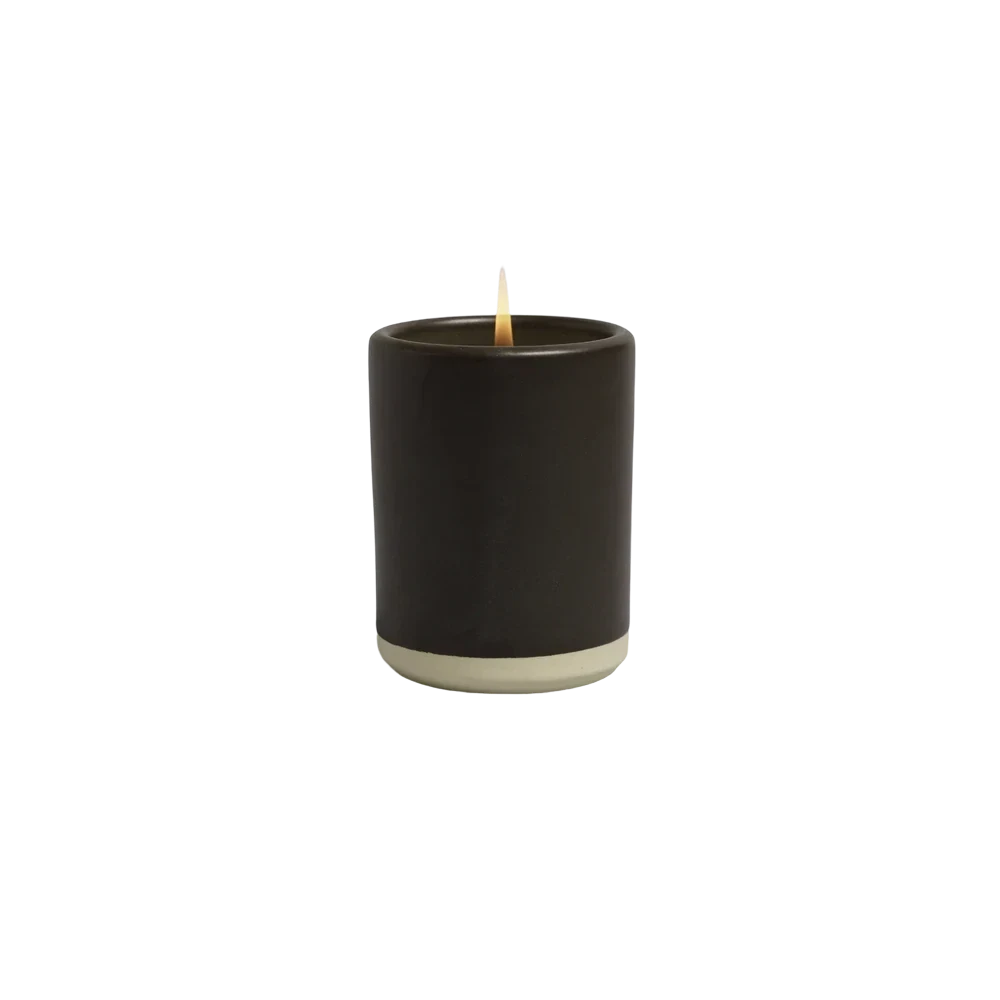
- Norden Big Sur Ceramic Candle · $65
- Aesop Brass Oil Burner · $220
- Nousaku Brass Incense Holder · $42
SleekNova scores fragrance products on GLOW as it scores every product: by whether the object photographs like art. In our reading, regular use means regular exposure to these documented effects, though research on beautiful products found people used them less, not more.
How we evaluate fragrance gifts at SleekNova
Our GLOW dimension, which accounts for 25% of every product score, measures whether an object photographs like art. We evaluate design intent, material quality, shelf presence, and unboxing experience.
For fragrance products, GLOW matters especially because the vessel often outlives the scent. A hand-thrown ceramic candle holder becomes a keepsake. Investment-cast brass develops patina over years. The object continues telling a story long after the last wisp of smoke.
Our emphasis on quality materials in this category is our own reading; the fragrance research measured scents, not their vessels. Consumers perceive handmade items as containing more care, according to studies published in the Journal of Marketing. When a fragrance vessel is clearly crafted with intention, we expect recipients to associate that care with the scent itself.
A mass-produced diffuser and a hand-cast brass oil burner may release similar molecules, but in our reading the experience of using them differs.
Four fragrance gifts grounded in the research
Each of these products scores 8.0 or higher on GLOW, meaning they meet our threshold for design objects worth keeping. They span price points from $42 to $220, different scent delivery methods, and various aesthetic traditions.
What unites them: the vessel is as considered as the fragrance.
Norden Big Sur Ceramic Candle ($65)
The founders of Norden developed this scent after a spring trip to Deetjen’s in Big Sur, when an intense rain storm passed through.
The scent is designed to evoke that specific moment. Given what researchers found about fragrance and memory consolidation, a scent tied to a real place may anchor differently than an abstract perfume composition.
The hand-thrown stoneware vessel, made in California, is food-safe and designed for reuse after the wax burns down. Five museum stores, SFMOMA among them, stock it. GLOW score: 9.0.
Aesop Brass Oil Burner ($220)
Four years of development produced Aesop’s first design object. Designer Henry Wilson used investment casting with the lost wax method. The asymmetric form is functional: it positions oil away from direct heat.
At over a kilogram of solid brass, the weight registers immediately on unwrapping. The metal develops patina specific to its environment over time.
For recipients who already have a signature candle, this offers something they likely have not encountered: a vessel that makes the ritual of warming oil feel like a considered act. Featured in PIN-UP Magazine and Gear Patrol. GLOW score: 9.0.
Nousaku Brass Incense Holder ($42)
A 110-year-old Japanese foundry produces this holder using techniques passed down for four centuries in Takaoka. MoMA Design Store selected Nousaku’s work, and the company president received Japan’s Medal of Honor in 2016.
The holder is a round brass dish for stick incense. The brass is designed to develop character over time, darkening where fingers touch. For recipients who value ritual, this transforms a daily wind-down into something more intentional. At $42, it delivers MoMA Design Store-selected craft at an accessible price point. GLOW score: 8.0.
What the research means for your next fragrance gift
The 2016 review established that fragrance is not passive. Scent molecules enter the bloodstream, cross into neural tissue, and alter brainwave patterns in measurable ways. Different compounds produce different effects: some increase alertness, others promote relaxation, and certain combinations may support memory formation.
For gift-givers, this validates what intuition already suggests. A fragrance gift is not just decorative. It becomes part of someone’s daily neurochemistry when they use it.
In our reading, the vessel matters because regular use means regular exposure to those psychophysiological effects the researchers documented, though research on beautiful products found people used them less, not more.
We score fragrance products on GLOW as we score every product: by whether the object photographs like art. A hand-cast brass holder or handmade ceramic vessel signals intention. It earns a permanent place in someone’s space.
And each time they light it, the neuroscience kicks in: molecules traveling from flame to limbic system faster than conscious thought, shaping mood and memory in ways the recipient may never fully articulate but will certainly feel.
Products in This Research
The gifts that embody this study's findings