Every Gift Is an Identity Claim
“To accept a gift is to accept (at least in part) an identity, and to reject a gift is to reject a definition of oneself.”
That sentence, published in 1967 by sociologist Barry Schwartz in the American Journal of Sociology, rewrites everything you thought you knew about why gifts succeed or fail.
You probably believed the stakes were about whether they’d like it. Whether it would be useful. Whether it matched their taste.
Schwartz reveals the real stakes: you are telling them who you think they are. And they will either accept or reject that definition.
The Identity Claim Hidden in Every Gift
Schwartz wasn’t running experiments with sample sizes. He was building theory by synthesizing Simmel, Goffman, Veblen, and Levi-Strauss into something new. His 11-page paper in The American Journal of Sociology became foundational to gift-giving research, cited for nearly six decades because it named what everyone felt but couldn’t articulate.
Here’s the mechanism: when you choose a gift, you’re making a claim about the recipient’s “desires and needs.” The gift becomes your hypothesis about who they are. When they accept it, they’re validating that hypothesis. When they reject it, they’re telling you that you got them wrong.
This explains why a well-intentioned but mismatched gift stings more than receiving nothing at all. It’s not the object that disappoints. It’s the realization that someone who should know you… doesn’t. Even a stuffed animal for a grown-up can land, since some adults buy one for themselves; the risk is not their age but what the gift tells them you see in them.
“The gift imposes an identity upon the giver as well as the receiver.”
Schwartz, B. (1967). The Social Psychology of the Gift. American Journal of Sociology, 73(1), 1-11.
The gift reveals both parties. What you choose says as much about your perception as their reality. A generic gift signals generic understanding. A specific gift signals specific knowledge of who they are.
Why Rites of Passage Gifts Carry Extra Weight
Schwartz noticed something about gifts given at life transitions: graduations, weddings, retirements. These aren’t just celebrations. They’re identity transformations. The recipient is becoming someone new.
He wrote that such gifts “not only serve the recipient as tools with which to betray more easily his or her former self but symbolize as well the social support necessary for such a betrayal.”
Strong language. “Betray” their former self. But accurate.
The graduate is leaving student life. The newlywed is leaving single life. The retiree is leaving professional identity. Gifts at these moments don’t just commemorate. They equip the recipient for who they’re becoming.
This is why generic graduation gifts feel hollow. A gift that matches their next chapter says “I see who you’re becoming, and I’m supporting that transformation.”
The Gratitude Imperative
Schwartz introduced the concept of the “gratitude imperative” to explain the social obligations embedded in gift exchange. You must express gratitude, even for gifts that miss the mark. The recipient who openly rejects a gift isn’t just being rude. They’re rupturing a social contract.
This creates a problem. The gratitude imperative masks honest feedback. Givers rarely learn when they’ve gotten the identity claim wrong because recipients perform appreciation regardless.
Over time, this builds a false confidence that corrodes future gift-giving.
Schwartz’s insight suggests a different approach: pay attention to what they use, not what they thank you for. The gift that stays in the drawer told you something. The gift they wear every day told you more. “I don’t need anything” is where that test begins with a boyfriend at Christmas: take him at his word first, and our Christmas gifts for a boyfriend are chosen for what he will still use once the holiday is over, which is where the test is read.
Schwartz (1967) · Identity Imposition Cycle
The Identity Claim Cycle Hidden in Every Gift
Every gift tells the recipient who you think they are. Here's the five-stage cycle that determines whether they accept or reject that claim.
The Hypothesis
You observe the recipient and form a theory about their desires, needs, and identity. What do they care about? Who are they becoming?
The Claim
Your gift selection encodes that theory into a physical object. The gift becomes your hypothesis about who they are, made tangible.
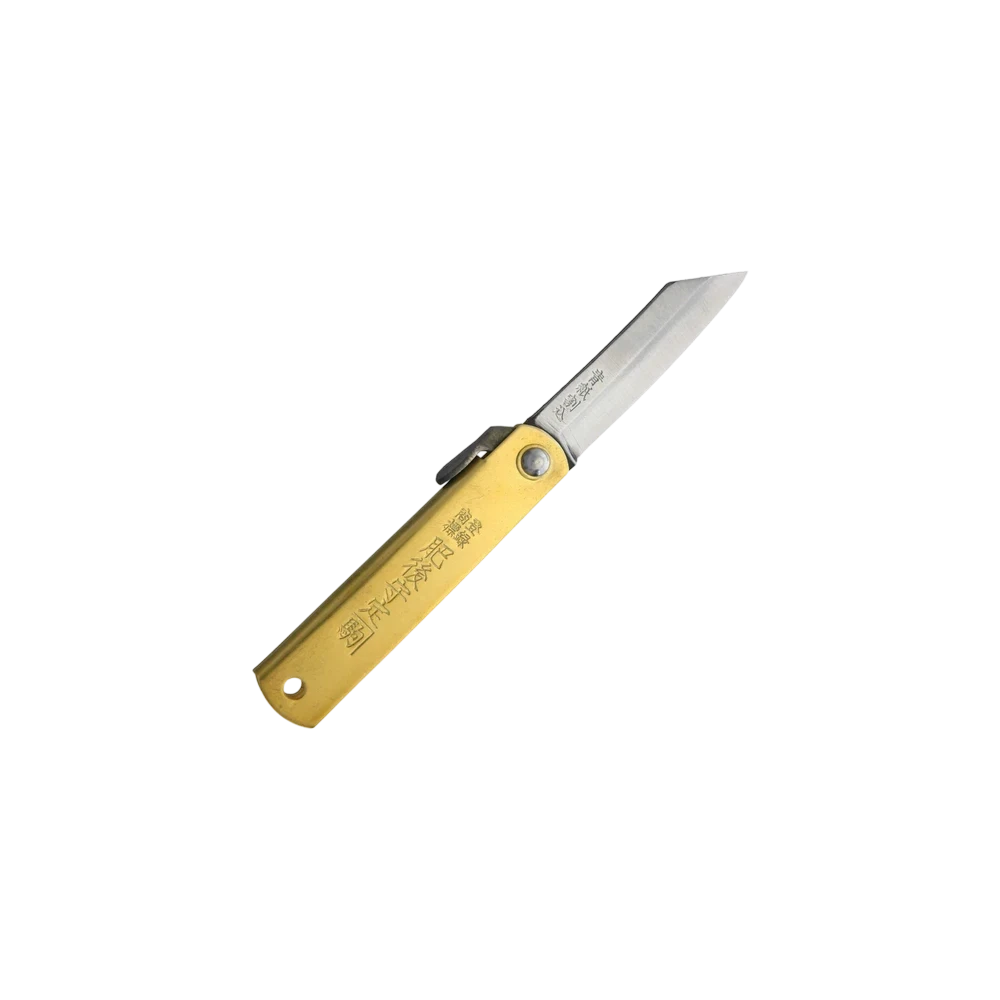
Nagao Kanekoma Higonokami Blue Steel Knife
"I know you carry a blade and care about where it comes from. I found the original, from the one maker allowed the name."
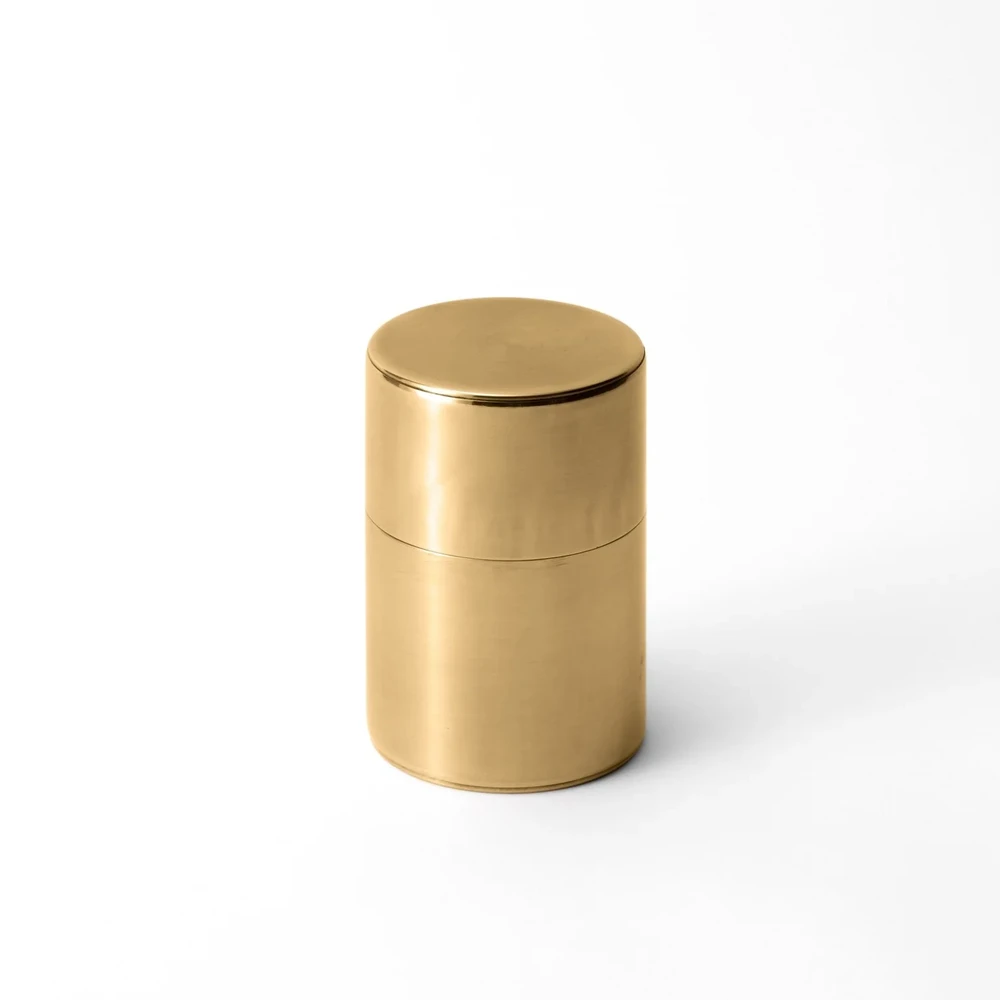
Kaikado Brass Tea Canister
"I see you as someone who appreciates the slow, the refined, the ceremonial."
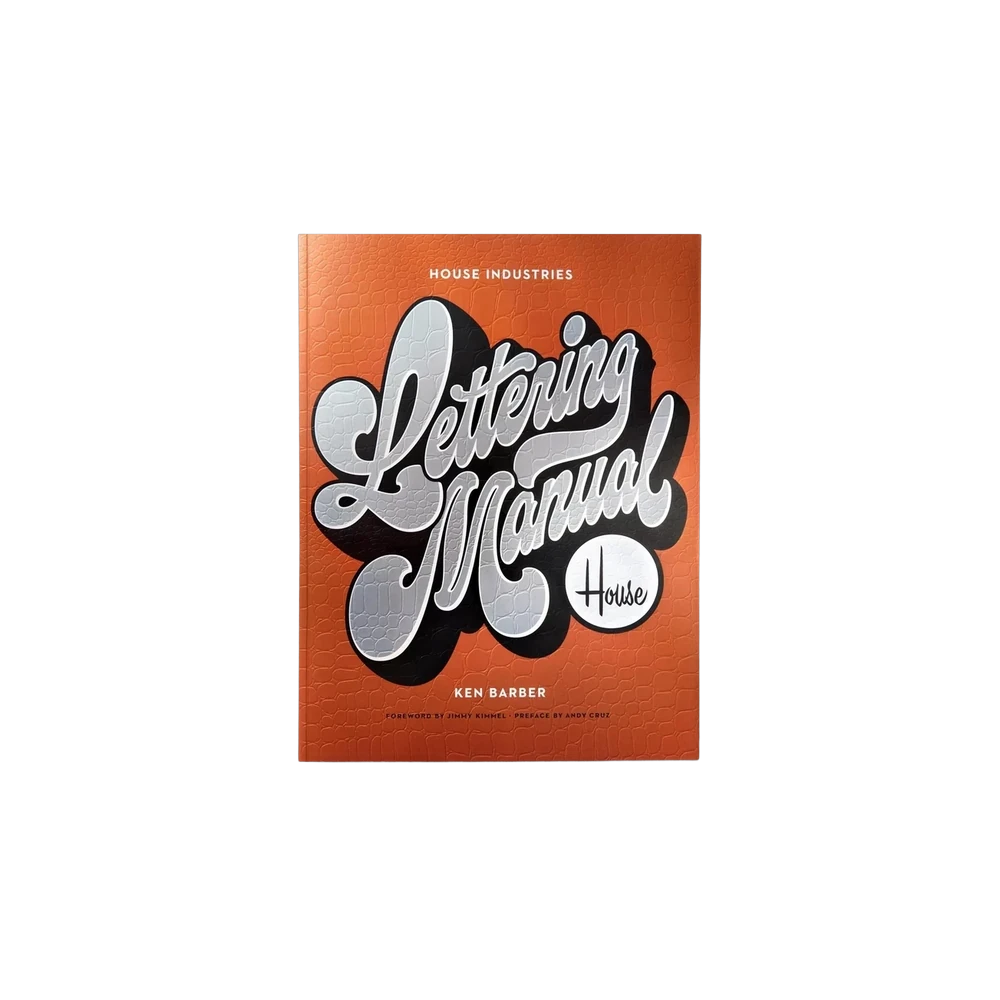
House Industries Lettering Manual
"I know you're a design person, a craft person, someone who notices letter spacing."
Studebaker Metals Workshop Cuff
"I see you as someone who values craft over flash, authentic over marketed."
Kakimori Fountain Pen
"I know you value analog in a digital world. The act of writing matters to you."
Generic Gift Card
Makes no identity claim.
The Reveal
The recipient unwraps your gift and reads your hypothesis about their identity. They evaluate: does this match who I am?
The Mask Hidden Trap
The "gratitude imperative" kicks in. Social contract forces performed appreciation regardless of whether your claim was accurate. You rarely learn the truth here.
The Truth
What they actually use, not what they thank you for, reveals the real verdict on your identity claim. The drawer tells you everything.
The Identity Claim Cycle Hidden in Every Gift
This process diagram maps the five-stage identity imposition cycle identified by Schwartz (1967): the giver forms a hypothesis about the recipient's identity, encodes it in a gift, the recipient evaluates the claim against their self-concept, the gratitude imperative masks their true response, and actual usage reveals the verdict. Gifts that make specific identity claims succeed because they signal genuine understanding. Generic gifts fail not because of quality, but because they signal generic perception.
Gifts That Make Specific Identity Claims
- Nagao Kanekoma Higonokami Blue Steel Knife · TRUST 9.5 · $33
- Kaikado Brass Tea Canister · TRUST 6.5 · $250
- House Industries Lettering Manual · TRUST 9.5 · $26
- Studebaker Metals Workshop Cuff · TRUST 9.0 · $78
- Kakimori Fountain Pen · TRUST 7.5 · $76
SleekNova curates for identity precision. Every product we recommend makes a clear, verifiable claim about who the recipient is.
Based on Schwartz, B. (1967). "The Social Psychology of the Gift." American Journal of Sociology, 73(1), 1–11. DOI: 10.1086/224432
What This Means for How SleekNova Builds Trust
Our TRUST pillar (15% of every score) measures whether we can verify a product is actually what it claims to be. Editorial coverage, verified reviews, source diversity, claim verification. We built it to prevent recommending products that disappoint.
But Schwartz reveals a layer beneath verification: gifts need to be trustworthy not just as products, but as identity claims. A beautiful object that misidentifies the recipient fails even if the craftsmanship is impeccable.
That’s why the products we highlight here aren’t just verified for quality. They’re verified for specificity. Each one makes a clear identity claim. Each one says something precise about who the recipient is.
Five Gifts That Make Identity Claims
Schwartz’s framework suggests that the best gifts are those where the identity claim is obvious and accurate. Not “I found something nice.” But “I found something that shows I know exactly who you are.”
Nagao Kanekoma Higonokami Blue Steel Knife
$33 | TRUST: 9.5
The identity claim: “I know you carry a blade and care about where it comes from. I found the original — one maker, five generations, $33 — and chose it.”
Nagao Kanekoma is the one fifth-generation manufacturer legally allowed to call its knives higonokami. Fifth generation. Miki City. The name is trademarked by the Miki Custom Knife Guild. The blade uses warikomi lamination — hard blue paper steel wrapped in soft iron. No other maker may call its knives Higonokami.
Wikipedia documents the maker and the guild’s trademark. 1,122 Amazon reviews at 4.6 stars. The Crown Prince bought one at the 1911 Kobe Exhibition.
Giving this knife says you saw something specific: not just someone who carries a blade, but someone who would recognize the original. That’s an identity claim sharper than the steel.
Kaikado Brass Tea Canister
$250 | TRUST: 6.5
The identity claim: “I see you as someone who appreciates the slow, the refined, the ceremonial. Someone who notices craftsmanship that others overlook.”
Six generations. Same workshop beside the Kamo River in Kyoto since 1875. The workshop produces roughly 40 canisters per day using 130 to 140 hand steps. One reviewer calls them perfectly sealed from humidity despite being made by hand.
Wikipedia-documented heritage. Featured in Wallpaper*. Stocked at Atelier Courbet NYC. One reviewer says they ‘will make repairs for generations to come.’
When someone receives this, they try the lid. Look it up. Find the history. Understand what you saw in them: a person who values what endures.
House Industries Lettering Manual
$26 | TRUST: 9.5
The identity claim: “I know you’re a design person, a craft person, someone who notices letter spacing and thinks about why things are made the way they’re made.”
Ken Barber teaches at Cooper Union. His work is in the Smithsonian’s Cooper-Hewitt collection. Jimmy Kimmel wrote the foreword. Shepard Fairey and David Lee Roth provided endorsements. This is 200 pages of workshop-tested lettering instruction, covering everything from serif to script, including a getting-paid chapter.
744 Amazon ratings at 4.8 stars. One reviewer: “This manual is everything I ever wanted in other lettering books that failed to deliver.”
At $26, this costs less than dinner for two. But it signals something specific: you recognized their interest, you found expertise they couldn’t access alone, and you trusted them to pursue it seriously. That’s a compliment in book form.
Studebaker Metals Workshop Cuff
$78 | TRUST: 9.0
The identity claim: “I see you as someone who values craft over flash, American-made over imported, authentic over marketed. Someone who would rather own one real thing than ten pretenders.”
Michael Studebaker, from a family of blacksmiths, wagon makers and eventually car manufacturers, hand-forges these in Pittsburgh. Solid brass. Work patina finish. Hallmarked “PGH USA” with crossed hammers. No nickel, no lead. Develops character from daily wear, not from factory distressing.
377 reviews of its own. The brand holds 4.88 stars across 936. Featured in Tenue de Nimes. Stocked by Bespoke Post.
This is jewelry for people who say they don’t wear jewelry. The identity claim isn’t “you should wear accessories.” It’s “I found the one accessory that matches who you actually are.”
Kakimori Fountain Pen
$76 | TRUST: 7.5
The identity claim: “I know you value analog in a digital world. That you think about your tools. That the act of writing matters to you, not just what gets written.”
Third-generation stationer Takuma Hirose runs Kakimori from Kuramae, a Tokyo craft district. The pen combines an aluminum body with a German Schmidt nib. Sixteen grams. Light enough to disappear in your hand. Precise enough to matter on the page.
The Pen Addict tested it against expensive collectibles and called it underpriced. JetPens and Atlas Stationers stock it.
Giving this pen says you noticed something others miss: their relationship with writing itself. You’re not just giving a tool. You’re validating an identity.
Lab Note
Schwartz’s paper is theoretical sociology, not experimental psychology. He synthesized existing scholarship rather than testing hypotheses with controlled conditions. His claims about identity imposition and gratitude imperatives are frameworks for understanding gift-giving, not empirically measured effects with confidence intervals.
What we can take from this: his framework explains why certain gift failures hurt disproportionately and why generic gifts never feel quite right. The research validates paying attention to what a gift says about your perception of the recipient, not just whether the object itself is desirable.
The products featured here were selected because they make specific identity claims. Whether those claims match your particular recipient is something only you can judge.
Schwartz gave us the lens. You have to do the seeing.
Explore More
- The TRUST Pillar: How we verify what we recommend
- Our Methodology: The full scoring system
- When Your Gift Threatens Your Own Identity: Research that built on Schwartz’s framework
- Artisan Craft Collection: More identity-forward gifts
- The Research Library: All peer-reviewed studies
Products in This Research
The gifts that embody this study's findings