Power Distance Affects Gift Preferences
The Counterintuitive Discovery
Here is what you assume: the gift for your boss should impress, while the gift for your intern can be simple. You spend weeks finding something special to give upward, something that signals competence and taste. For the person who reports to you, you grab something quick.
The research says you have it backward.
A field study of 66 real gift exchanges, followed by two controlled experiments with 387 participants, found that power dynamics reverse the expected pattern. When you hold more power than the recipient, you focus on practicality. When you hold less power, you reach for desirability.
The effect is consistent and significant. And it only affects givers, not receivers.
What the Study Found
Choi, Park, and Yoon began where most gift research does not: with actual gifts. They collected data from 66 people who had recently given or received gifts through a Korean mobile messenger service. The pretest revealed the pattern that two laboratory experiments would confirm.
Study 1 assigned 142 participants to imagine buying a colleague gift. Half pictured their boss. Half pictured their employee. Each group rated how much they valued feasibility (practical, usable, functional) versus desirability (attractive, impressive, appealing) in their gift choice.
The results were clear. Givers in the subordinate role prioritized desirable attributes. Givers in the supervisor role prioritized feasible attributes. Same relationship type. Same budget constraints. Different psychological distance.
Study 2 expanded the design to 245 participants and added a control condition: giving to a peer. The supervisor-to-subordinate pattern replicated. The peer condition fell between extremes. Power shapes preference systematically.
Why Power Reverses Everything
The mechanism is construal level theory. When you hold power over someone, your psychological orientation shifts inward. You rely more on your own judgment. You feel confident in your evaluations. This self-focus creates shorter psychological distance, which triggers concrete thinking.
You ask: “How will they actually use this?”
When you lack power relative to the recipient, your orientation shifts outward. You attend more to the other person. You second-guess your own perspective. This other-focus creates longer psychological distance, which triggers abstract thinking.
You ask: “Why is this impressive enough?”
The researchers found a telling asymmetry. Power affects givers, not receivers. When participants imagined receiving gifts from bosses versus subordinates, their feasibility-desirability preferences did not change. Recipients treat gifts as theirs regardless of who gave them. The power dynamic only haunts the person doing the choosing.
The Workplace Gift Paradox
Most gifting advice for workplace contexts focuses on appropriateness: stay within budget guidelines, avoid anything too personal, stick to safe categories. This research reveals a deeper challenge. The very act of giving upward or downward changes what you value in a gift.
When you choose a gift for your manager, you are psychologically primed to optimize for impression. The abstract question dominates: will this make me look thoughtful? Will this signal good taste? The concrete question of whether they will actually use it recedes.
When you choose a gift for your direct report, you are psychologically primed to optimize for practicality. You ask whether it fits their life. Whether they need it. The abstract question of whether it impresses you barely registers.
Neither orientation is wrong. The error is assuming your natural inclination matches what the recipient wants.
Recipients do not care about power dynamics. They care about the gift.
What TRUST Measures
The TRUST dimension asks whether a gift can be verified as actually good. Source diversity, claim verification, temporal consistency. But this research reveals why trust matters beyond quality assurance.
Gift-giving is relationship behavior. The power distance study shows that givers instinctively calibrate to relational dynamics, shifting between concrete and abstract thinking based on who holds authority. TRUST scoring captures something similar: whether a gift respects the recipient’s reality rather than the giver’s psychology.
A high-TRUST product has been validated by people who actually used it, not just admired it. Verified purchase reviews, editorial testing, community discussion over time. These signals cut through the construal level distortion. When you are caught in abstract thinking, reaching for what impresses, TRUST data grounds you in what works.
SleekNova Lab · DD-2026-032
Power Biases Your Gift Choice.
The Best Gifts Beat Both.
Giving upward? You chase impressiveness. Giving downward? You chase practicality. Our reading: aim for the upper right.
Gift Trap
Answered
Gift Trap
Power Biases Your Gift Choice. The Best Gifts Beat Both.
This scatter plot maps gift products across two dimensions identified by Choi, Park & Yoon (2018): how practical and usable a gift is (horizontal axis) versus how attractive and impressive it appears (vertical axis). Research with 387 participants found power dynamics systematically bias givers; those giving upward optimize for desirability while those giving downward optimize for feasibility. The sweet spot is upper-right: gifts that answer both the concrete question (will they use this?) and the abstract question (does this impress?).
Products That Answer Both Questions
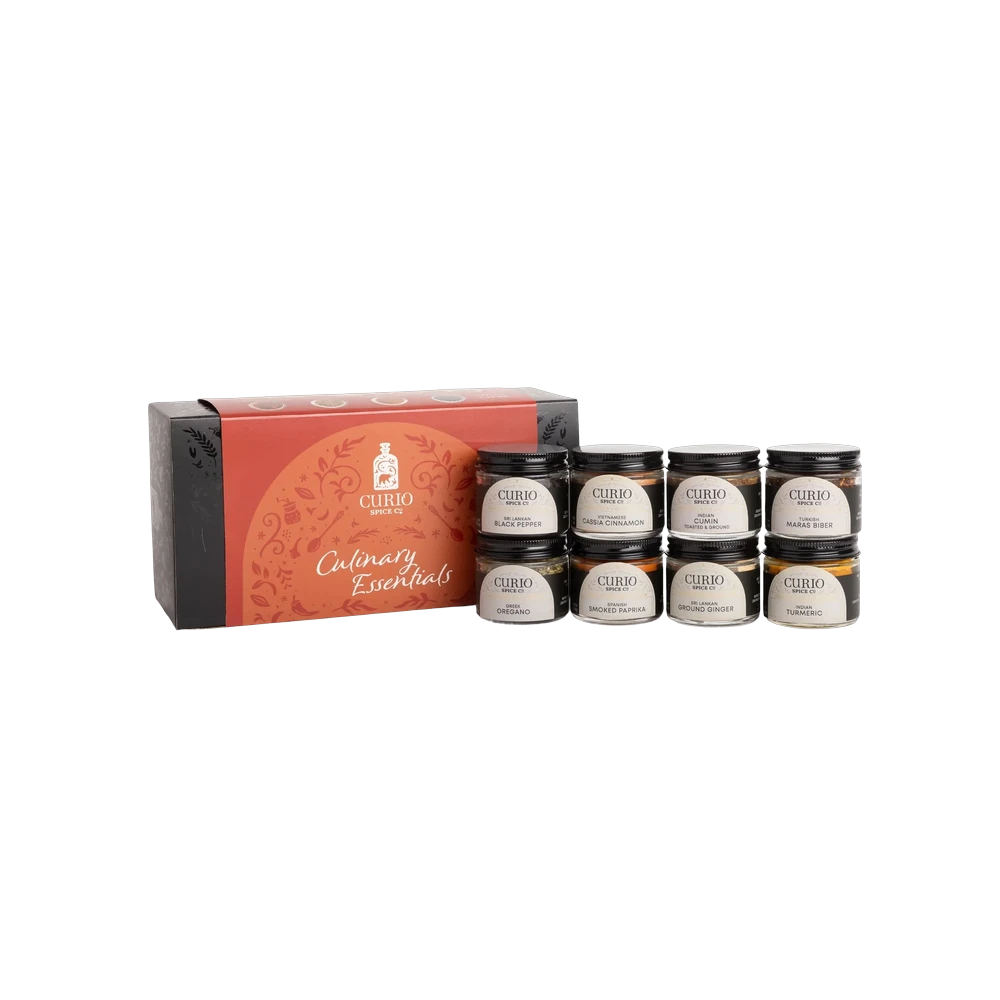
- Curio Culinary Essentials Set 8.0 · $39.95
- Craighill Ripple Opener 8.1 · $58
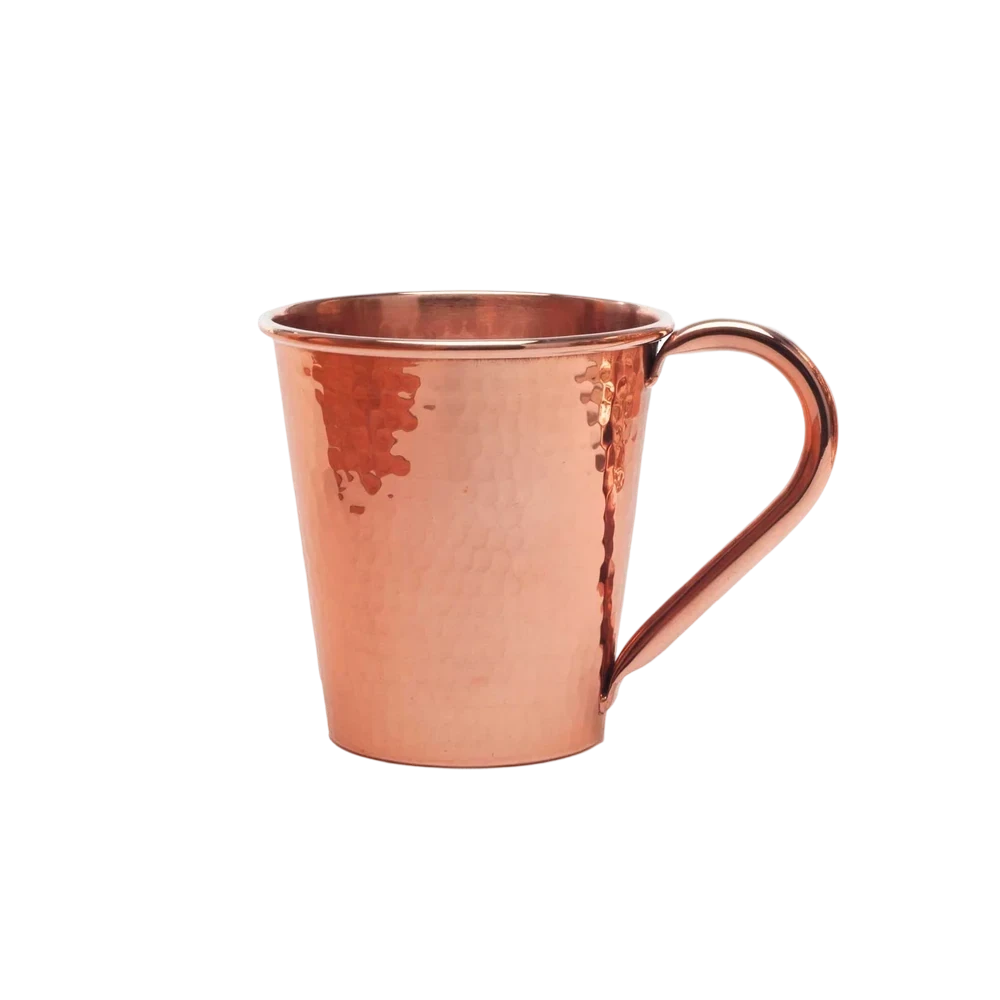
- Sertodo Copper Mule Mug 8.1 · $58
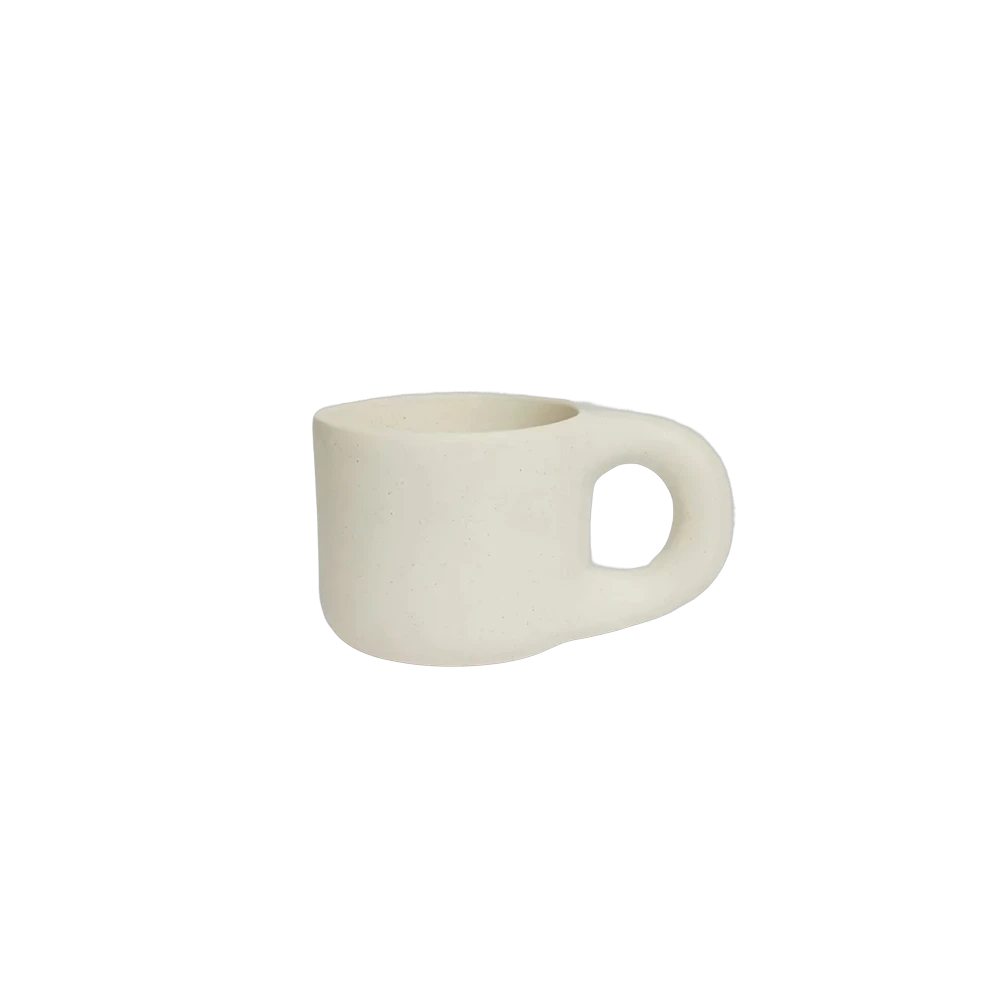
- Toogood Dough Mug 8.4 · $55
SleekNova curates for gifts that survive the power-distance correction: impressive enough to give up, practical enough to give down, verified enough to trust either way.
Four Products, Both Questions Answered
The products below scored high on TRUST because multiple independent sources confirm their quality. But they also represent something we read in the research: gifts that work regardless of power position. Practical enough for the concrete thinker. Impressive enough for the abstract thinker. Verified enough to trust your choice.
Curio Culinary Essentials Set ($39.95, TRUST 8.2) offers eight pantry staples from a company that pays farmers above Fair Trade price. B Corp certified with an 85.2 score. NYT Wirecutter featured four consecutive years. The glass jars look beautiful on a counter. The spices get used every week. Feasible and desirable at once.
Craighill Ripple Opener ($58, TRUST 6.5) weighs eight ounces of solid brass. Milled in Wisconsin. Finished in NYC. For Life Guarantee. It impresses the moment someone picks it up. Half a pound of brass in your hand. Function that outlasts fashion.
Sertodo Copper Moscow Mule Mug ($58, TRUST 8.5) comes from a town with a copper tradition going back over 1,000 years. Oprah made it one of her Favorite Things. Each mug unique because each hammer strike is visible. Lifetime guarantee. Status object that actually conducts cold better than ceramic.
Toogood Dough Mug ($55, TRUST 8.0) comes from the 2025 Designer of the Year. Faye Toogood has pieces in the museum permanent collections of the Philadelphia Museum of Art and the Denver Art Museum. Sculptural curves. Substantial weight. But also: a mug you use every morning.
The Application
When you catch yourself optimizing for impression in an upward gift, pause. Ask the concrete question: will they use this?
When you catch yourself optimizing for practicality in a downward gift, pause. Ask the abstract question: does this show I noticed something about them?
The research does not say feasibility always wins or desirability always loses. It says power systematically biases your natural orientation. Knowing the bias lets you correct for it.
The gifts that survive this correction share a quality: they answer both questions. Beautiful and useful. Impressive and practical. The kind of gift that works whether you are giving up, down, or across.
This analysis is grounded in: Choi, W.J., Park, J., & Yoon, H.J. (2018). “Your gift choice for your boss versus your subordinate would not be the same: The interplay of power and giver-receiver role on consumers’ gift preferences.” Journal of Business Research, 91, 1-7. https://doi.org/10.1016/j.jbusres.2018.05.033
Verified via SleekNova TRUST Research Library
Explore More
- How We Measure TRUST
- Our Methodology
- The Feasibility Gap: Why practical gifts land better than impressive ones—the same concrete-over-abstract pattern this research identifies
Products in This Research
The gifts that embody this study's findings