Nobody Talks About It, But 70% of Couples Do It
Here is an odd contradiction. When Harvard researchers asked 200 people whether they had relationship rituals, 70% said yes. They described Friday pizza nights, morning coffee routines, anniversary traditions, the way they said goodbye before work.
Yet almost none of these people had ever discussed these rituals explicitly, even with their partners.
Rituals, it turns out, are both ubiquitous and invisible. We perform them without naming them. We rely on them without acknowledging their power. And according to the research, they might be one of the most important factors in relationship satisfaction that nobody thinks to cultivate.
The Study That Mapped a Hidden Force
Ximena Garcia-Rada, Ovul Sezer, and Michael I. Norton set out to understand what relationship rituals actually do. Their findings, published in the Journal of the Association for Consumer Research, came from four studies that approached the question from different angles.
The first study established the baseline: in a sample of 200 people, 70% reported having at least one relationship ritual. These weren’t religious ceremonies or formal traditions. They were everyday behaviors that had accumulated meaning. Going to a specific farmer’s market. Making pancakes on Sundays. The particular way one partner brings coffee to the other in bed.
The second study got more precise. The researchers surveyed 108 romantic couples, asking partners independently about their rituals. They used what’s called an Actor-Partner Interdependence Model to see how one person’s ritual perception affected both their own satisfaction and their partner’s. The average relationship length? Twenty-eight years. These weren’t newlyweds still in the honeymoon phase.
The third study introduced a critical distinction. Participants described both a ritual AND a routine from their relationship. The difference wasn’t the activity. It was the meaning.
As the researchers put it: “Routines convey information about what needs to be done, while rituals communicate meaning, identity, and transcendental significance.”
The fourth study proved that perception matters more than action. Participants rated hypothetical couples described as having either “rituals” or “routines.” Same activities. Different framing. The ritual-framing couples were perceived as significantly more satisfied with their relationships.
The Catch That Changes Everything for Gift-Givers
Here’s what makes this research particularly useful for choosing gifts: the benefits only appear when both partners agree they have a ritual.
One partner viewing the Sunday crossword as sacred while the other sees it as habit produces none of the documented benefits. The ritual must be mutual. Both people must recognize it as symbolically meaningful, not merely routine.
This has implications. A gift can provide the raw material for a ritual, but it cannot force one into existence. The matcha set you give might become the center of a morning ritual, or it might become just another kitchen item. The difference depends on whether both people come to see preparing it together as meaningful.
What the research suggests is that ritual-enabling gifts work best when they invite participation rather than demand it. They create opportunity, not obligation.
What the Data Actually Showed
Couples with relationship rituals scored higher on every measure of relationship quality the researchers tested. Satisfaction. Investment. Commitment. Positive emotions. The researchers found that commitment specifically mediated the relationship between rituals and satisfaction. Rituals function as what Garcia-Rada calls “powerful commitment devices.”
The breakdown of ritual types revealed something unexpected. Date and leisure activities dominated at 63%. Affection and intimacy behaviors accounted for 16%. Thoughtful gestures claimed 11%. Even household chores appeared at 6%, rituals in their own right when viewed through the right lens.
And here’s the consumption angle: 64% of relationship rituals involved a good or service. Dinner at a specific restaurant. Coffee from a particular roaster. The board game that comes out every Friday. Consumption isn’t peripheral to rituals. It’s often central.
Same Activity, Different Outcome: Where Ritual Gifts Live
Garcia-Rada, Sezer & Norton (2019) found that 70% of couples have relationship rituals, and 64% involve consumption. But the same activity produces no benefit when viewed as routine. Only when both partners perceive it as symbolically meaningful do satisfaction and commitment increase. This quadrant maps gifts by shared participation (X-axis) and symbolic accumulation over time (Y-axis).
Products in the Ritual Material Zone
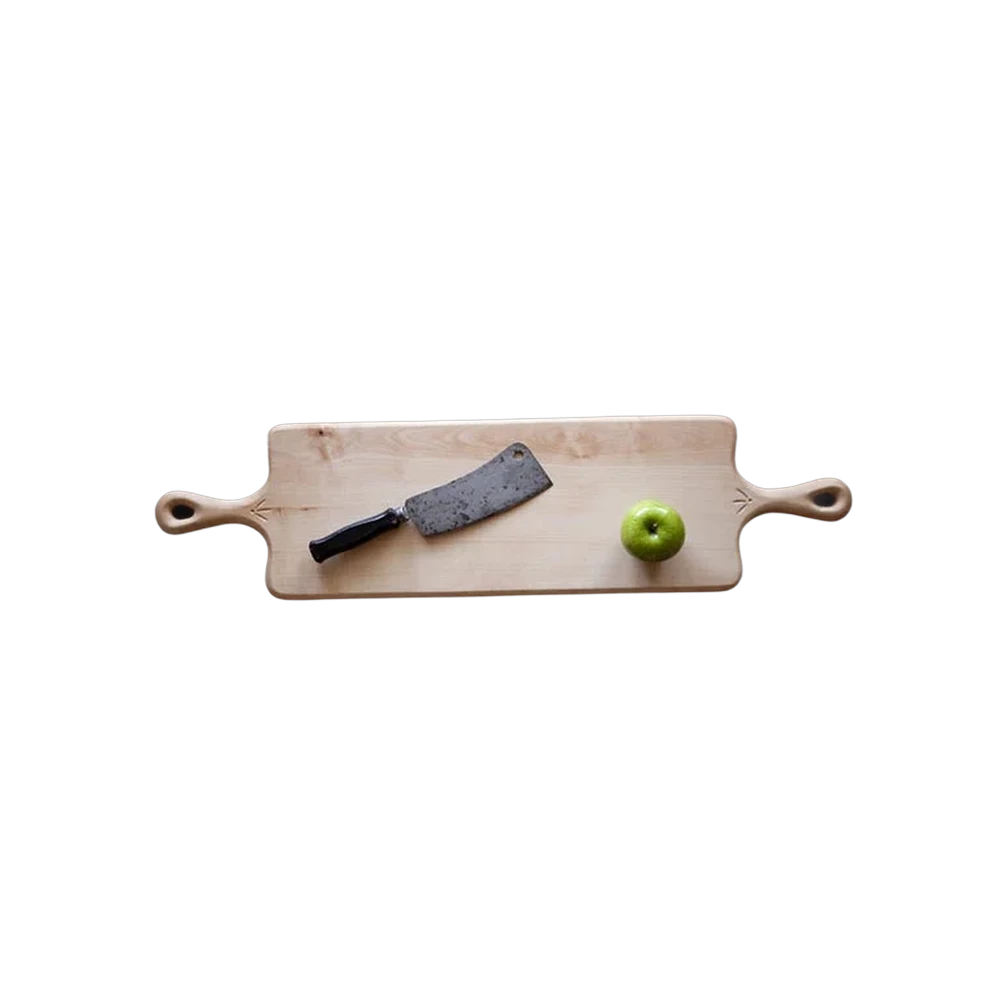
- Blackcreek Mercantile Cutting BoardMOMENT 8.5 · $185
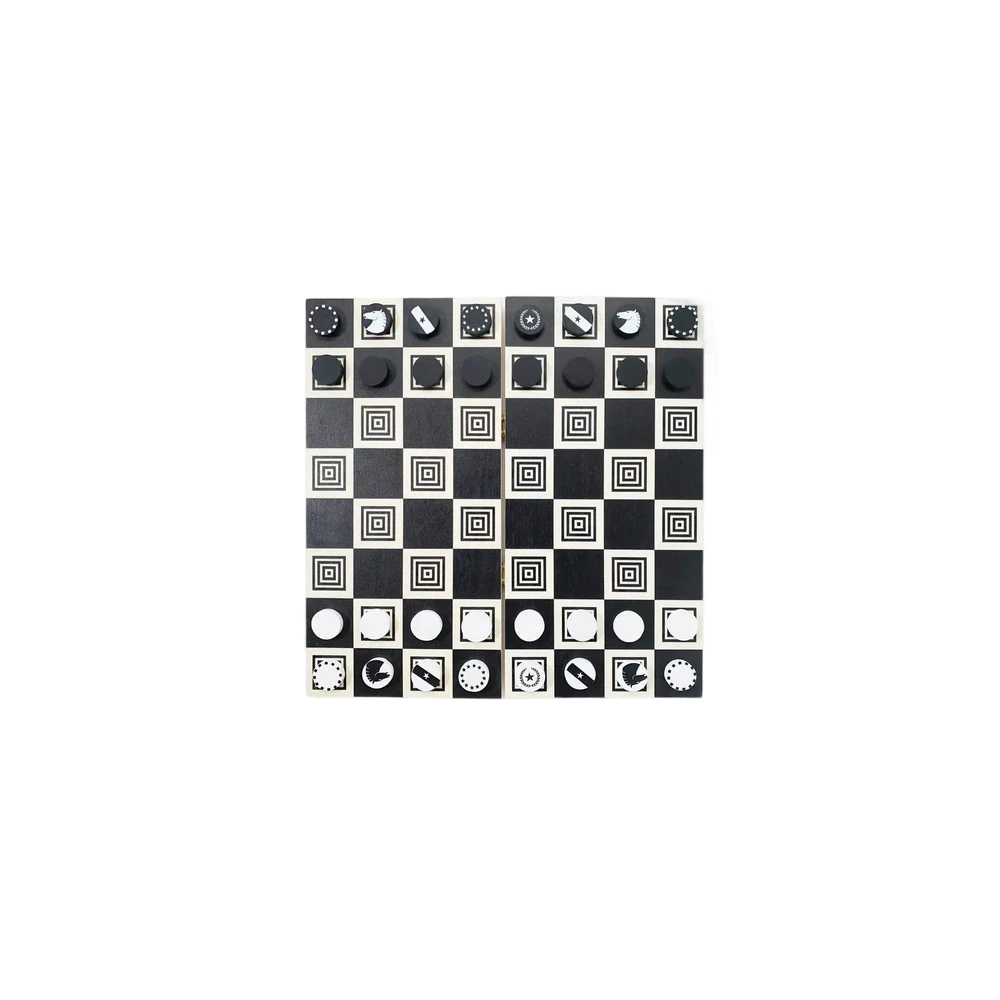
- Fredericks & Mae Chess & CheckersMOMENT 9.0 · $40
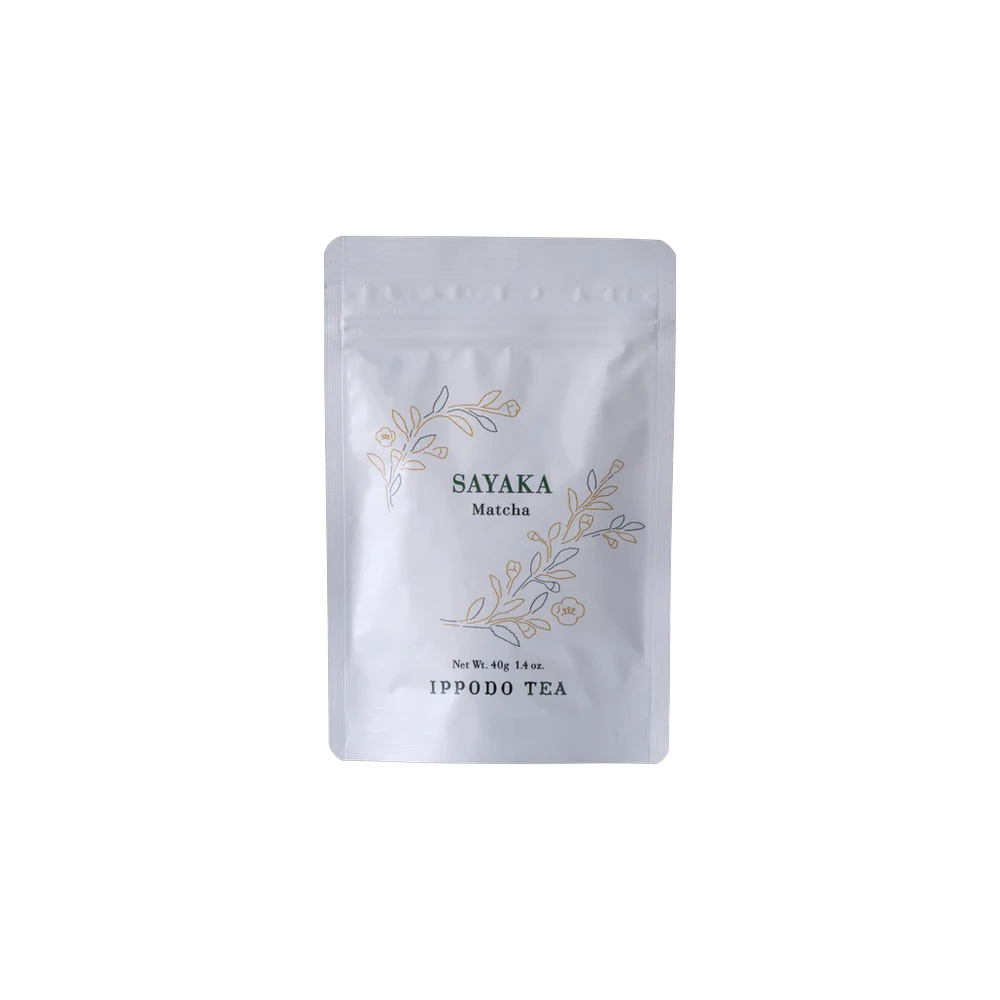
- Ippodo Sayaka MatchaMOMENT 8.0 · $49
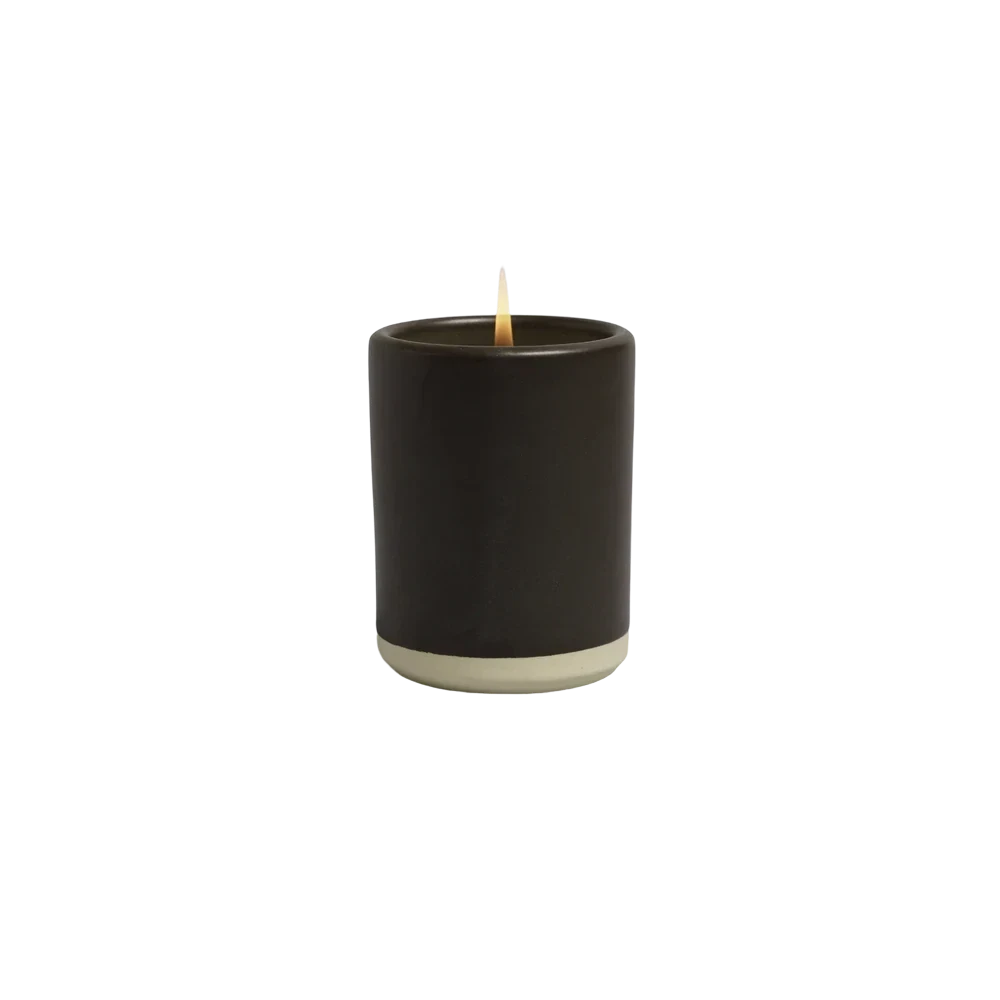
- Norden Big Sur Ceramic CandleMOMENT 8.0 · $65
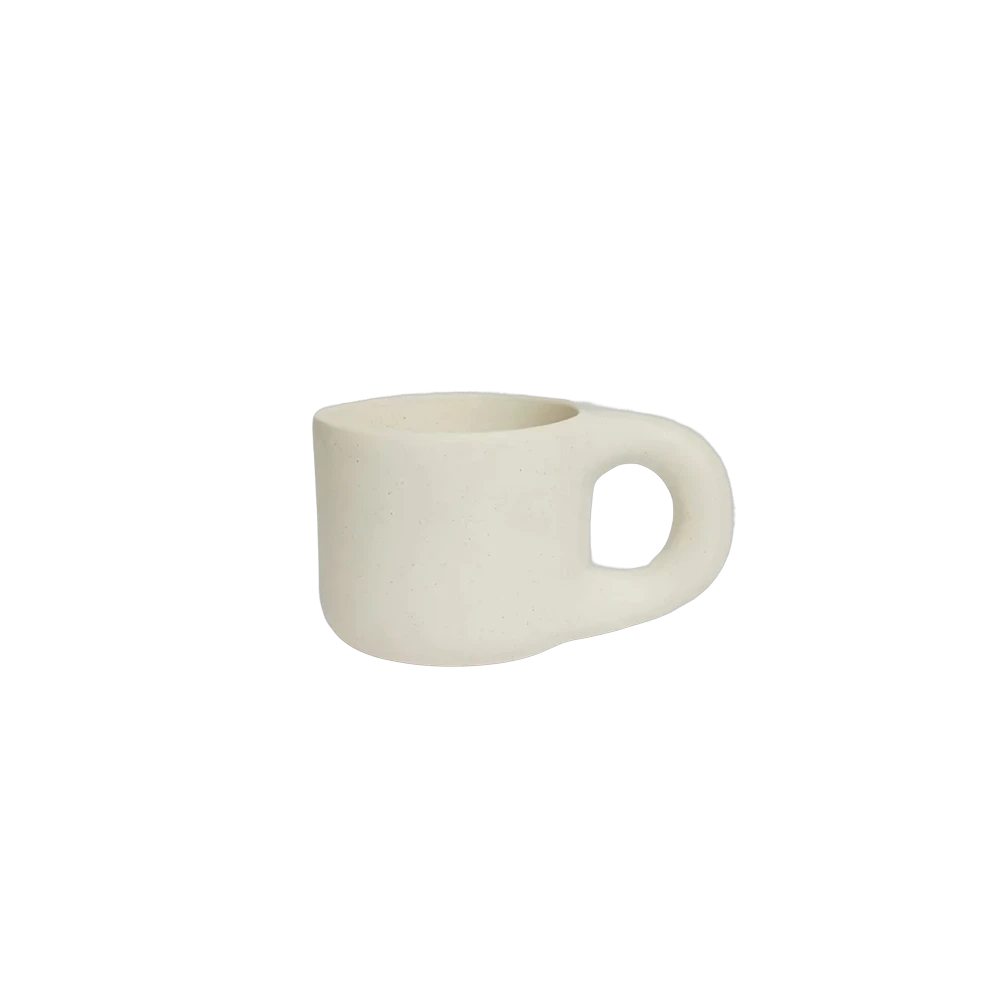
- Toogood Dough MugMOMENT 8.0 · $55
SleekNova curates for the upper-right: gifts that invite shared participation and gain meaning through repetition.
Five Objects That Invite Ritual
Each of these products connects to a specific category from the research. None of them will create a ritual on their own. All of them offer what the study identified as the raw material: consumption experiences that can accumulate symbolic meaning when both partners choose to see them that way.
The Morning Vessel
Toogood Dough Mug
$55 | MOMENT: 8.0
The research documented couples whose morning coffee delivery became their defining ritual. One participant described bringing coffee to their spouse in bed every morning as the behavior that most defined their relationship. The vessel matters because it becomes the physical anchor for the symbolic meaning.
Faye Toogood won 2025’s Maison&Objet Designer of the Year. Her Dough Mug, hand-shaped in London and cast in Portuguese stoneware, carries the deliberate imperfection of something made to be held. The sculptural weight signals that this is not a rushed moment. Six museum permanent collections have acquired her work. The matte cream glaze develops subtle patina with use.
A mug can be habit or it can be ritual. This one invites the latter.
The Weekly Game
Fredericks & Mae Chess & Checkers
$40 | MOMENT: 9.0
Leisure activities composed 63% of relationship rituals in the study. Friday movie night. Weekly walks. The recurring date that anchors the week. What matters, the researchers found, is the symbolic weight both partners assign to the activity, not the activity itself.
This Brooklyn design studio has been creating what they call “beautiful tools for good times” since 2007. Their chess and checkers set features Baltic birch with magnetic closure and pieces designed to display on the coffee table, not hide in a closet. MoMA, SFMOMA, and the Cooper Hewitt have stocked their work.
The design insight is visibility. A game that stays out invites spontaneous play. That spontaneity, repeated, becomes tradition. Tradition viewed as meaningful becomes ritual.
The Ceremonial Preparation
Ippodo Sayaka Matcha
$49 | MOMENT: 8.0
Garcia-Rada’s research found that the activity itself didn’t determine whether couples experienced ritual benefits. The same Friday pizza could be forgettable routine or meaningful ritual depending solely on how both partners perceived it. The shift happens through symbolic framing, not logistics.
Ippodo has been selling tea from the same Kyoto location since 1717. That’s 309 years of the same address, the same craft, the same ceremonial attention to preparation. Sayaka matcha carries their mid-grade designation, balanced between accessibility and depth. Good Housekeeping recommended it. Over 1,000 reviews average 4.88 stars.
Morning matcha requires attention. The whisking, the temperature, the timing. When two people perform that attention together, or when one prepares it for the other, the research suggests they’re not just making tea. They’re performing what the study calls “symbolic behavior that signals commitment.”
The Transition Marker
Norden Big Sur Ceramic Candle
$65 | MOMENT: 8.0
The Harvard team emphasized that routines and rituals can involve identical actions. The difference lives entirely in perception. Lighting a candle at day’s end can be habit or can be ceremony. The research showed that the ceremony version predicts relationship satisfaction while the habit version does not.
Norden’s founders created this candle after a trip to Big Sur during a rainstorm. The scent captures that specific memory: pine, cedar, oakmoss, wood smoke. The vessel is hand-thrown California stoneware by local ceramicists. After 80 hours of burning, it becomes a mug. SFMOMA and Nordstrom stock their work.
The candle marks transition. Work ends. Shared time begins. That marking, when both partners recognize it as meaningful rather than mere ambiance, activates what the research calls the ritual’s “commitment function.”
The Sunday Surface
Blackcreek Mercantile Cutting Board
$185 | MOMENT: 8.5
The study revealed that even household chores become relationship-strengthening rituals when couples view them as symbolically meaningful. One participant described going to the grocery store together every Sunday at 9am as their ritual. Not obligation. Not logistics. Ritual.
Joshua Vogel trained as an architect before opening Blackcreek Mercantile in Kingston, New York. His cutting boards are carved from single pieces of domestic maple with no glue, no seams, no joints to fail. GQ Style and Remodelista have featured his work. Chronicle Books published his design philosophy.
The board develops patina through use. Knife marks accumulate. Oil darkens the grain. Over years of Sunday cooking, the surface becomes physical evidence of time spent together. That evidence, visible and tangible, transforms meal preparation from task to ritual.
The research proved the transformation matters.
Lab Note: What This Research Does and Doesn’t Prove
Garcia-Rada, Sezer, and Norton’s work establishes that relationship rituals correlate with satisfaction and that this relationship is mediated by commitment. The four studies used different methodologies and found consistent effects.
What the research doesn’t prove is causation in the gift-giving direction. The studies examined existing rituals, not objects that might initiate new ones. Satisfied couples might create more rituals because they’re satisfied, not become satisfied because they create rituals. The causal arrow remains partially uncertain.
What we can reasonably extrapolate: gifts that enable shared consumption experiences provide the raw material for rituals. Whether that material becomes meaningful depends on both partners, not on the object alone. A gift can invite a ritual. It cannot guarantee one.
The research also focused on established couples (average relationship length of 28 years in the dyadic study). Whether these findings extend to newer relationships remains an open question.
Why This Matters for Gift Selection
SleekNova’s MOMENT pillar measures emotional impact and the potential for gifts to improve with use. Ritual-enabling gifts represent a specific category within this measurement: objects that don’t just create a single moment of joy at unwrapping but generate recurring moments that compound over time.
The study found that 64% of relationship rituals involve consumption. Every one of those consumptions is a potential moment. A gift that becomes part of such a ritual doesn’t deliver value once. It delivers value on every repetition, as long as both partners continue to view that repetition as meaningful.
This is what Garcia-Rada meant when she called rituals “powerful commitment devices.” They help couples “establish a sense of who they are as a couple.” The right gift doesn’t just give pleasure. It gives identity.
“When we ask people whether they have rituals, it’s astonishing how many people say ‘yes.’ Despite the fact that people usually don’t talk about their own rituals, they’re surprisingly ubiquitous in so many domains of our lives.”
Michael I. Norton, Harvard Business School
Explore More
Products in This Research
The gifts that embody this study's findings