When a Light Bulb Factory Started Making Whiskey Glasses
Made the cut

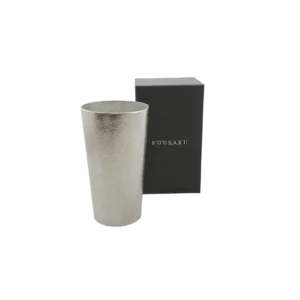
Shotoku Glass was established in 1922. They made light bulbs by mouth-blowing glass into impossibly thin shells. When automation took that work, the craftsmen pivoted. The Usuhari series launched in 1989, applying the same technique to drinkware.
We traced this timeline across five sources and the maker’s own page before scoring it.
What We Verified
The origin story checks out. The maker’s own page dates its start as a light bulb manufacturer to 1922. The pivot to drinkware happened in 1989 when Shotoku introduced the Usuhari line. Ukiyo Home confirms the 0.9mm wall thickness.
Brooks Reitz discovered these glasses at Sushi Noz in New York City and featured them in Bon Appetit, calling them “perfect” after watching someone drink Asahi from them.
In the maker’s own words, its Edo glass has earned “a high reputation with top restaurants and the hospitality industry.” The story is a factory that found a new application for its skills.
Why the WOW Score Hit 9
The scoring system rewards discovery factor. The Usuhari tumbler, among the barware we recommend, scored 9 out of 10 for WOW. The light bulb origin creates the story.
When someone asks where the glass came from, the answer is not “Amazon” or “a wedding registry.” The answer is a century of technique transfer that began with light bulb production in 1922.
The 0.9mm thinness is not a marketing claim. It is a consequence of the original craft. Light bulb shells required extreme precision. That precision now creates a rim that essentially disappears against your lips.
The difference registers on first sip.
The Gift Intelligence
We matched this to whiskey ritualists, bar cart curators, and origin story seekers. Someone whose evening pour matters enough to notice when the rim gets in the way. Someone who appreciates verified provenance over vague “artisanal” claims.
The light bulb pivot story gives the giver something to write in the card.
The glass costs $44; the heritage behind it represents significantly more. Sushi Noz in New York City serves drinks from these glasses.
What We Learned
Trust presented a challenge. Only one Amazon rating exists with no written review. We built confidence through heritage verification and institutional validation instead.
The Bon Appetit feature, the Sushi Noz usage, the specialty retailers carrying the line, and the 100 year timeline, each traced to a source. The trust score landed at 8, but the supporting evidence differs from typical review volume products.
This is a Lab Note about why thin glass from a light bulb factory earned a 9 for WOW. The technique transfer story is the moat.