The Closer You Are, the Bolder You Gift
You think you play it safe when you buy that colleague a gift card. Something generic. Something that “works for everyone.”
But the data tells a different story: 81% of holiday gifts people list are material objects, not experiences. And it has nothing to do with what recipients actually want.
Eight studies across 2,500+ participants reveal why. The answer involves something researchers call “social distance,” and it explains a pattern you’ve probably noticed in your own gift-giving but never quite named.
The Preference Knowledge Problem
Joseph Goodman and Sarah Lim, publishing in the Journal of Consumer Research, started with an observation that bothered them. Previous research had established that experiential gifts strengthen relationships more than material ones. Recipients report greater happiness from experiences.
The science was clear.
Yet people kept buying stuff.
Their hypothesis centered on knowledge. “Gift givers are more likely to give experiential gifts to socially close recipients than socially distant recipients,” they proposed. The mechanism: experiences feel riskier because they require knowing someone’s specific preferences.
A spa day demands you know whether they prefer massage or facial. A concert ticket requires knowing their music taste. Get it wrong, and the social cost is higher than handing them a candle they’ll regift.
Study 1a tested this directly. Participants rated their preferences for giving various gifts (concert tickets, cooking classes, leather gloves, headphones) to either a close friend or a distant acquaintance. The interaction was significant at p < .001. When giving to close friends, experiential gifts were preferred over material ones. For distant recipients, that preference reversed.
Study 1b replicated this with open-ended responses. Participants freely listed what they would give for a birthday gift. The effect size was substantial (d = .50): gifts listed for close friends were measurably more experiential than those listed for distant recipients.
What Drives the Effect
Studies 2a through 2c manipulated the proposed mechanism directly. Instead of varying social distance, researchers varied perceived knowledge of the recipient’s preferences. Participants thought of a friend “they knew very well” or one “they did not know very well.”
The pattern held. Greater knowledge of a recipient’s preferences increased willingness to give experiential gifts. The researchers tested and ruled out alternative explanations: the effect wasn’t driven by perceived cost of experiences, their hedonic nature, or utilitarian considerations.
It came down to knowledge.
Study 3 added mediation analysis confirming the pathway: social distance affects perceived knowledge of preferences, which in turn affects gift type preference. The researchers also tested whether shared consumption explained the effect (maybe people just want to do experiences with close friends).
It didn’t. Even when experiential gifts were explicitly described as solo activities, the social distance effect persisted.
When the Effect Disappears
The most practically useful finding came from Studies 4a and 4b. Researchers introduced a moderator: social risk. Some experiential gifts carry less risk of preference mismatch. A spa gift certificate (redeemable for any treatment) requires less specific knowledge than booking an “aroma deep facial massage.” A cooking class gift card carries less risk than pre-registering someone for Thai cuisine specifically.
When experiential gifts were low-risk, the social distance effect vanished. Participants were equally willing to give experiences to close and distant recipients when those experiences allowed recipients to choose their own adventure.
The data from Study 4a: For high-risk experiences, 44.4% chose experiential for close friends versus 25.5% for distant recipients. For low-risk experiences, the gap closed to 52.1% versus 43.9%, a difference that was no longer statistically significant.
What This Means for Choosing Gifts
The research reveals a specific failure mode in gift selection. Givers default to material gifts for distant recipients not because material gifts are better, but because they feel safer.
This is a preference of the giver, not a prediction about what recipients actually want.
The solution the data suggests: when you lack specific preference knowledge, choose gifts with built-in optionality. Material gifts that don’t require knowing someone’s exact taste. Experiences with redemption flexibility. Curated sets where the curation itself provides value, removing the burden of perfect matching.
SleekNova Lab · DD-2026-037
How Much Do You Need to Know Them?
Goodman & Lim (2018) found that gift givers default to safe, material gifts for distant recipients because experiences feel riskier. The solution: gifts with built-in optionality.
How Much Do You Need to Know Them?
This scale maps gift products by how much recipient-specific preference knowledge they require, based on Goodman & Lim (2018). Their research across 2,500+ participants found that givers default to material gifts for distant recipients because experiences feel riskier without knowing specific preferences. The key moderator: when experiential gifts have built-in optionality (low preference specificity), the social distance effect disappears. SleekNova products cluster in the low-knowledge zone, delivering thoughtfulness without demanding intimate preference knowledge.
Gifts That Work Across Any Distance
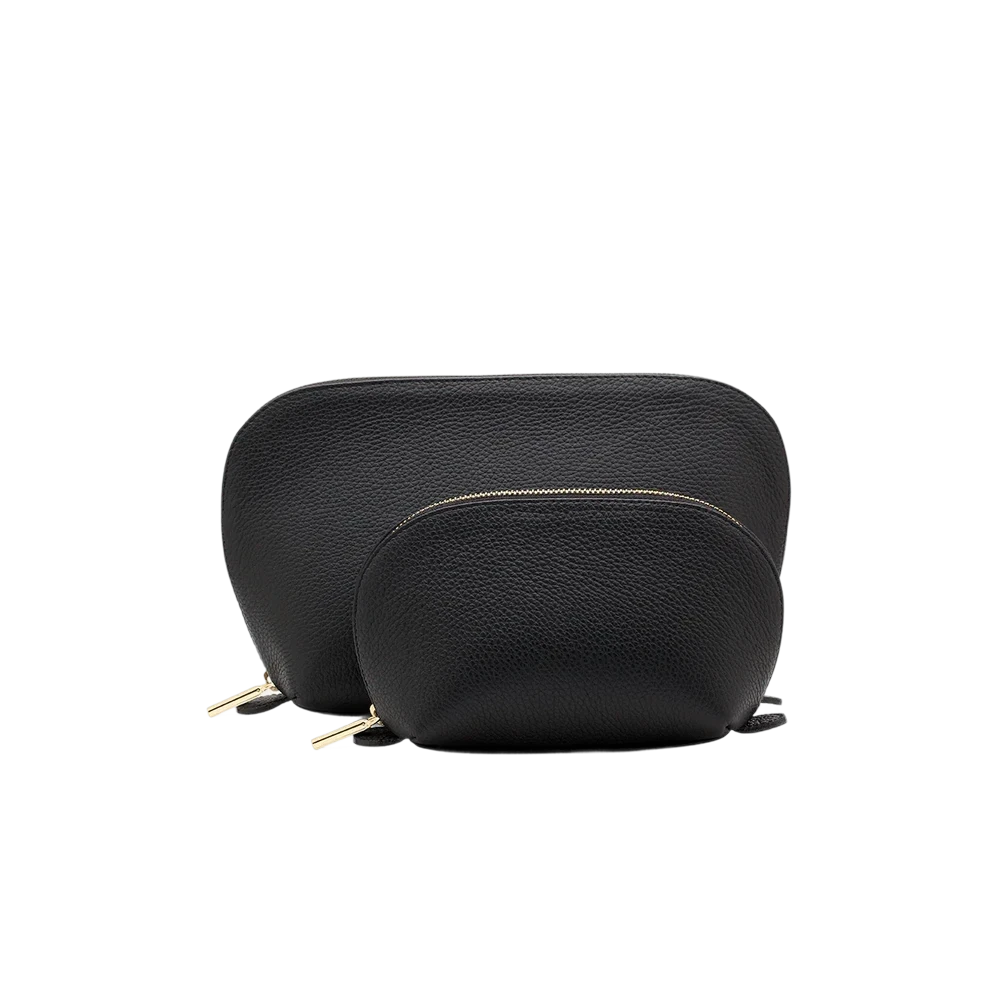
- Cuyana Travel Case Set 9.0 · $178
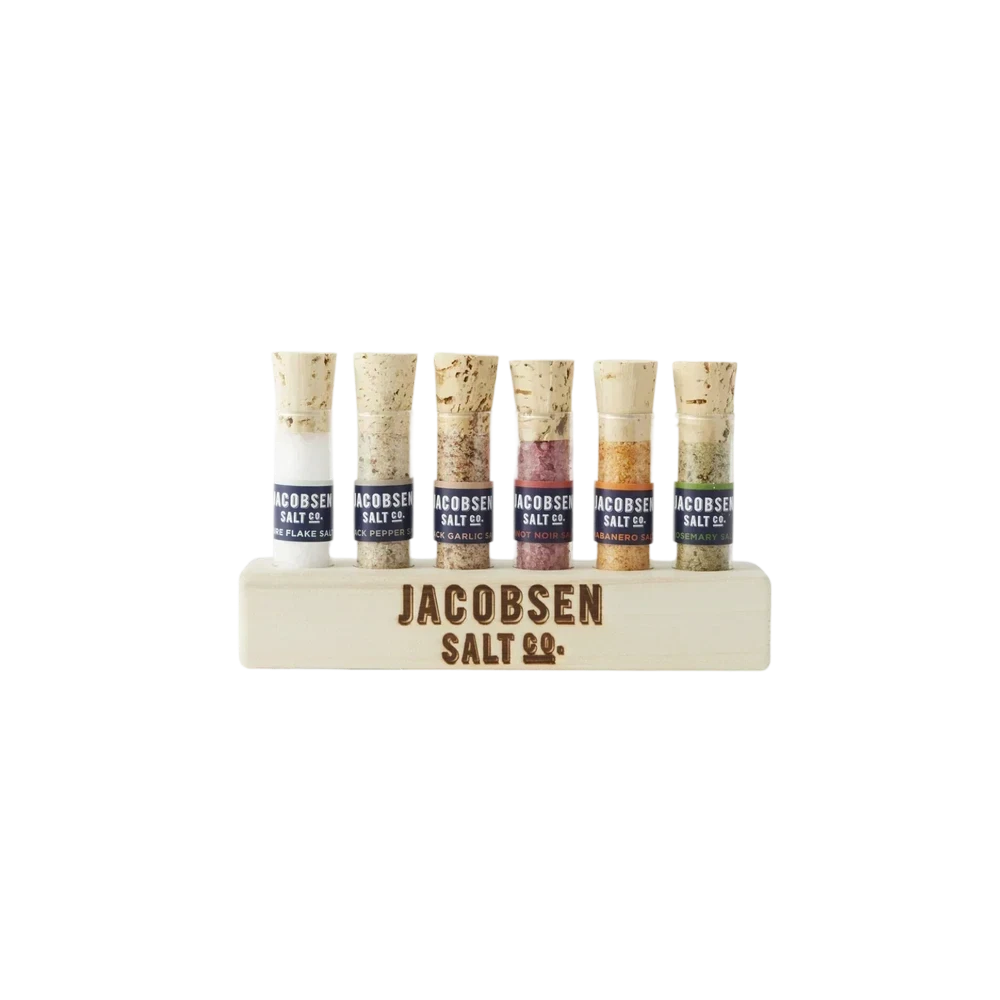
- Jacobsen Salt Co. Six Vial Set 8.0 · $35
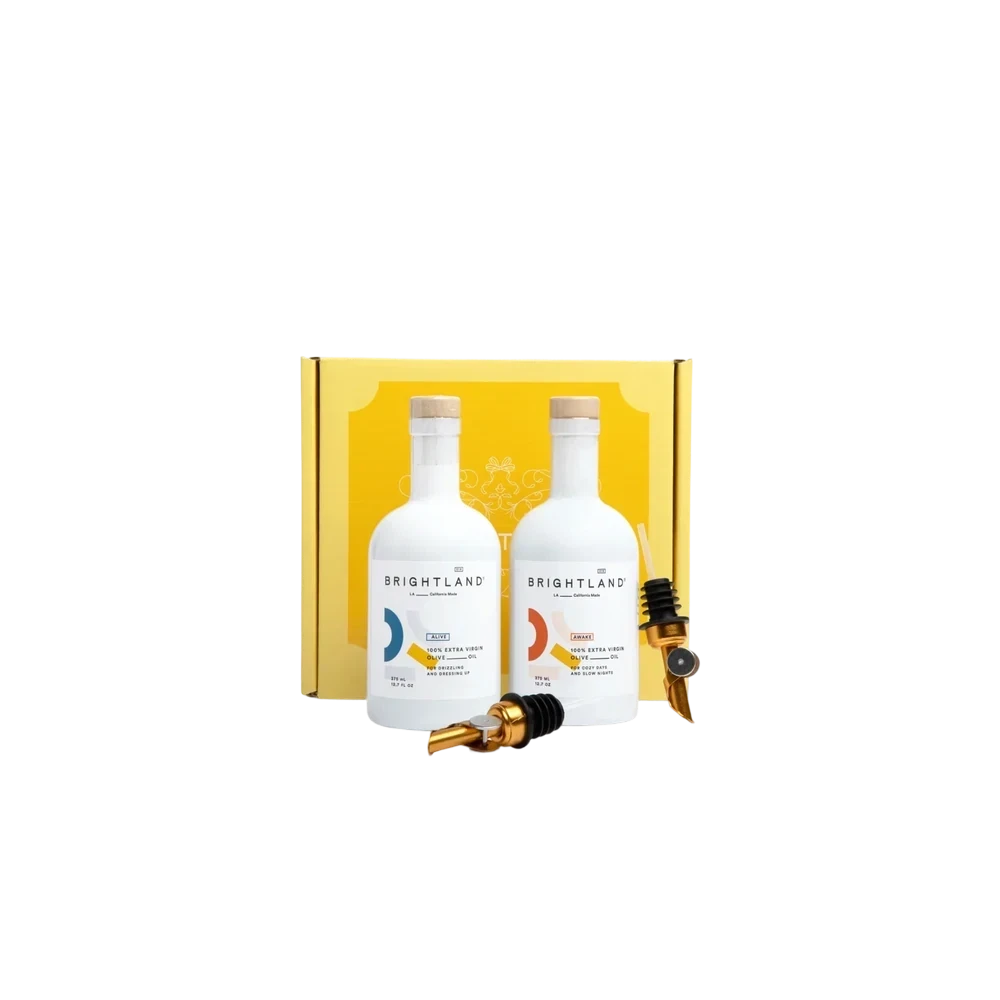
- Brightland The Duo 9.0 · $98
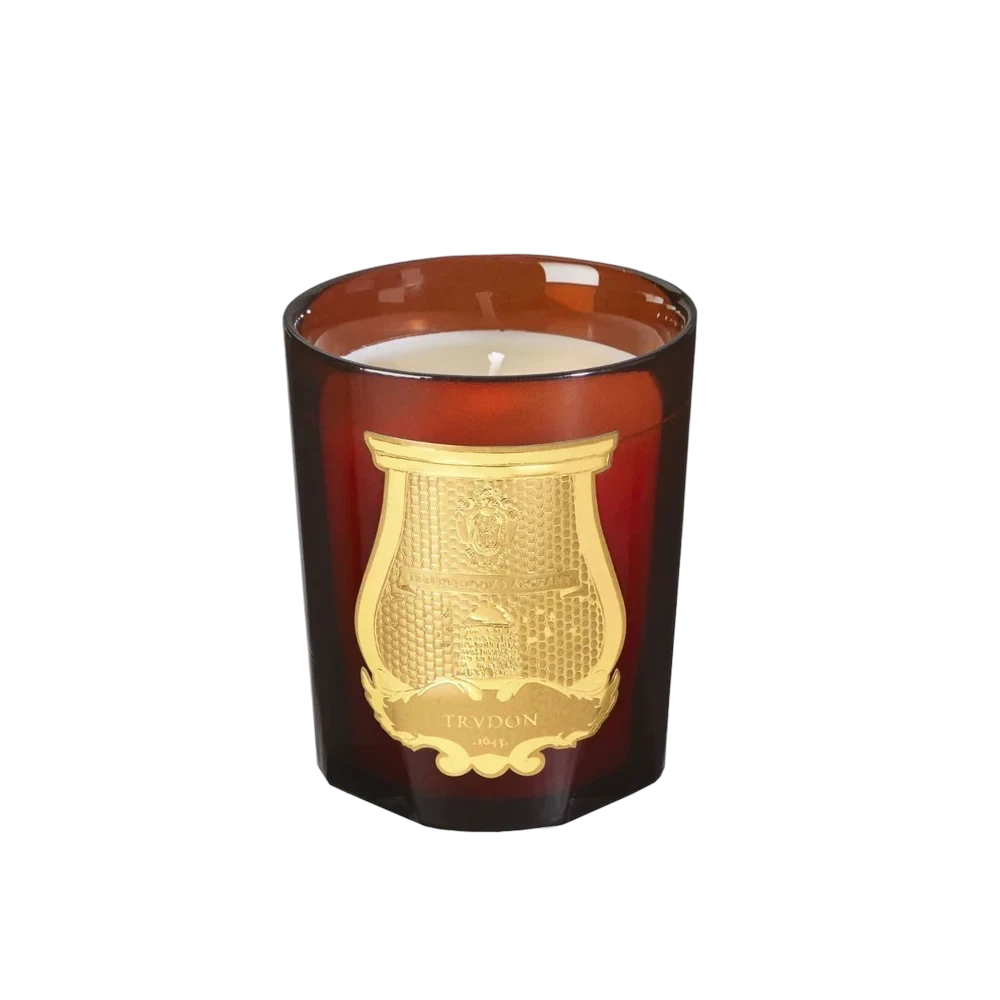
- Trudon Cire Candle 9.0 · $150
SleekNova curates gifts with built-in optionality, so closeness enhances the gift but isn't required for it to land.
Products That Navigate Social Distance
Understanding this research changes how certain gift categories make sense. The common thread: gifts that don’t require intimate knowledge of someone’s specific preferences while still delivering the emotional impact of a thoughtful choice.
Jacobsen Salt Co. Six Vial Infused Salt Set ($35, MOMENT: 8.0) operates on the same principle as the study’s “low-risk experiential” gifts. The tasting format lets recipients discover their own preferences. You’re giving a curated experience of salt varieties from the first company to harvest salt in the Pacific Northwest since 1805, but the recipient chooses which flavors become their favorites.
Ben Jacobsen tested 27 sites along the Oregon coast before landing on Netarts Bay. Each vial includes pairing suggestions: Pinot Noir Salt pairs with grilled lamb and dark chocolate. The gift works whether you know they love rosemary or have never heard their opinion on habanero. Bon Appetit featured the brand. 90 Amazon reviews confirm flavor quality.
Brightland The Duo ($98, MOMENT: 9.0) arrives in gift-ready packaging, a design choice that acknowledges the social distance problem directly. Two cold-pressed California olive oils offer the recipient optionality within a curated frame.
Awake is bold and peppery, made for cooking. Alive is smooth and grassy, perfect for finishing. You’re not guessing whether they prefer robust or delicate. You’re giving both extremes from family farms, cold-pressed within 90 minutes of harvest. 4.9 stars from 516 reviews. Oprah’s Favorite Things 2022. Bloomingdale’s stocks it. The Kitchn editors keep reordering with their own money.
Cuyana Travel Case Set ($178, MOMENT: 9.0) exemplifies material gifts that succeed precisely because they don’t require preference specificity. The curved silhouette has been Cuyana’s bestseller since 2013.
Each set is handcrafted in a family-owned Argentinian workshop where artisans with two generations of experience take up to 8 hours per set. Leather Working Group certified. Vogue called it the way to “carry all your essentials on the go.” Town and Country featured it. Reviewers report keeping theirs for years, traveling the world with them.
You’re giving elegant organization, not guessing their taste in patterns or colors.
Trudon Cire Candle ($150, MOMENT: 9.0) represents how heritage substitutes for preference knowledge. The house has been making candles since 1643, supplying Louis XIV and lighting Versailles.
When you don’t know someone’s scent preferences, 380 years of refinement provides social cover. The recipient may not know they wanted beeswax absolute notes with honey, sandalwood, and vanilla, but they’ll recognize they received something with history. The amber glass vessel stays on display long after the wax is gone. Stocked at Bergdorf Goodman and Neiman Marcus. 4% of every Cire sale funds the Orne Dark Bee Conservatory.
Lab Note
This Deep Dive focuses on the social distance mechanism identified by Goodman and Lim. Their research examined Western gift-giving contexts with predominantly American participants (undergraduate students and MTurk workers). Cultural norms around gift exchange vary significantly, and the material-versus-experiential distinction may not translate identically across all gift-giving traditions.
The boundary conditions they identified, particularly around low-risk experiential gifts, suggest practical applications, but individual relationships contain complexities that eight studies cannot fully capture.
The products featured here were selected because their design inherently addresses the preference knowledge problem the research identifies. This is one lens among many for understanding gift selection.
Explore More
- The MOMENT Pillar: How we score gifts for emotional resonance and future use
- Our Methodology: The research behind every recommendation
- Research Library: Peer-reviewed studies informing our approach
- Related Deep Dive: Chan & Mogilner on why experiential gifts strengthen relationships
Products in This Research
The gifts that embody this study's findings