Why Handmade Gifts Are Better: The Science of Giving Love
The Science in 30 Seconds
The Research: Handmade products are perceived as symbolically containing the maker’s love. This is peer-reviewed psychology from the Journal of Marketing.
The Study: Fuchs, Schreier & van Osselaer (2015). Four controlled experiments.
The Finding: People prefer the same product when it is called handmade, most of all when the gift is for someone close and is meant to show love. For a distant acquaintance, the advantage disappeared.
What “Handmade” Actually Means
You have felt it. Holding something handmade feels different. Heavier, somehow. More significant.
But why?
Researchers at Cornell, TU Munich, and WU Vienna set out to test it. Their conclusion: handmade products carry psychological weight in large part because we perceive them as containing the maker’s love.
Effort, quality and uniqueness are the obvious explanations. The researchers held them constant, and something was still left over: love.
The researchers were rigorous about this. They controlled for five alternative explanations: effort, product quality, uniqueness, authenticity, pride. The “love” perception held up against all of them.
When you give a handmade gift, you are not just giving an object. You are transferring the care that went into making it.
The Proof: Four Studies, One Conclusion
The research team ran four separate experiments to test this idea. Here is what they found:
Finding #1: The Handmade Effect Is Real
“Four studies provide evidence for the existence of a positive handmade effect on product attractiveness. This effect is, to an important extent, driven by perceptions that handmade products symbolically ‘contain love.'”
Fuchs, Schreier & van Osselaer (2015), Journal of Marketing
Products described as “handmade” were consistently rated more attractive than identical products described as “machine-made.” The difference was not about what the products looked like or how well they performed.
It was about what they represented.
Finding #2: Love Is a Driver (Not Just Quality)
The researchers did not just find a correlation. They tested whether the effect could be explained by other factors:
Effort? Controlled for it. The effect held. Quality? Controlled for it. The effect held. Uniqueness? Controlled for it. The effect held. Authenticity? Controlled for it. The effect held. Pride? Controlled for it. The effect held.
With all five held constant, perceived love still explained part of the handmade preference. People believe handmade products contain the maker’s affection, and that belief is a large part of why they prefer them. (The researchers used mediation analysis to isolate “love” as one significant driver, ensuring the preference was not merely a byproduct of perceived effort or uniqueness.)
It was not the only driver, and the authors say so plainly: they “fully recognize that the handmade effect is driven by multiple processes.” In the last of the four experiments, perceived authenticity carried part of the effect too, though love’s share was much stronger.
Finding #3: The Effect Is Stronger for Loved Ones
Here is where it gets interesting for gift-givers:
“Consumers indicate stronger purchase intentions for handmade than machine-made products when buying gifts for their loved ones but not for more distant gift recipients.”
The handmade effect is not universal. It is relationship-dependent. When the gift was for someone close, a partner, a relative, a good friend, people were clearly more ready to buy the handmade version. When it was for an acquaintance or a colleague, the advantage disappeared.
This makes psychological sense. If handmade products symbolically contain love, they are most valuable when love is what you are trying to communicate.
One detail matters here: people saw just as much love in the handmade version whoever the gift was for. What changed was how much that love was worth to them.
Finding #4: People Pay More When Love Is the Goal
“They pay more for handmade gifts when purchased to convey love than simply to acquire the best-performing product.”
The experiment behind that sentence measured preference, not price. In it, 402 U.S. consumers chose between two sets of wine glasses as a gift for a close family member, with one set described as handmade and the other as machine-made. Handmade won either way: when the goal was the best possible glasses for drinking wine, and when it was to convey love. The pull toward handmade was significantly stronger when love was the goal.
Money was measured in a separate experiment. Just before Mother’s Day, people stated what they would pay for a bar of French milled soap to give their mother. Described as handmade, the same bar drew an average willingness to pay 17% higher than when it was described as machine-made.
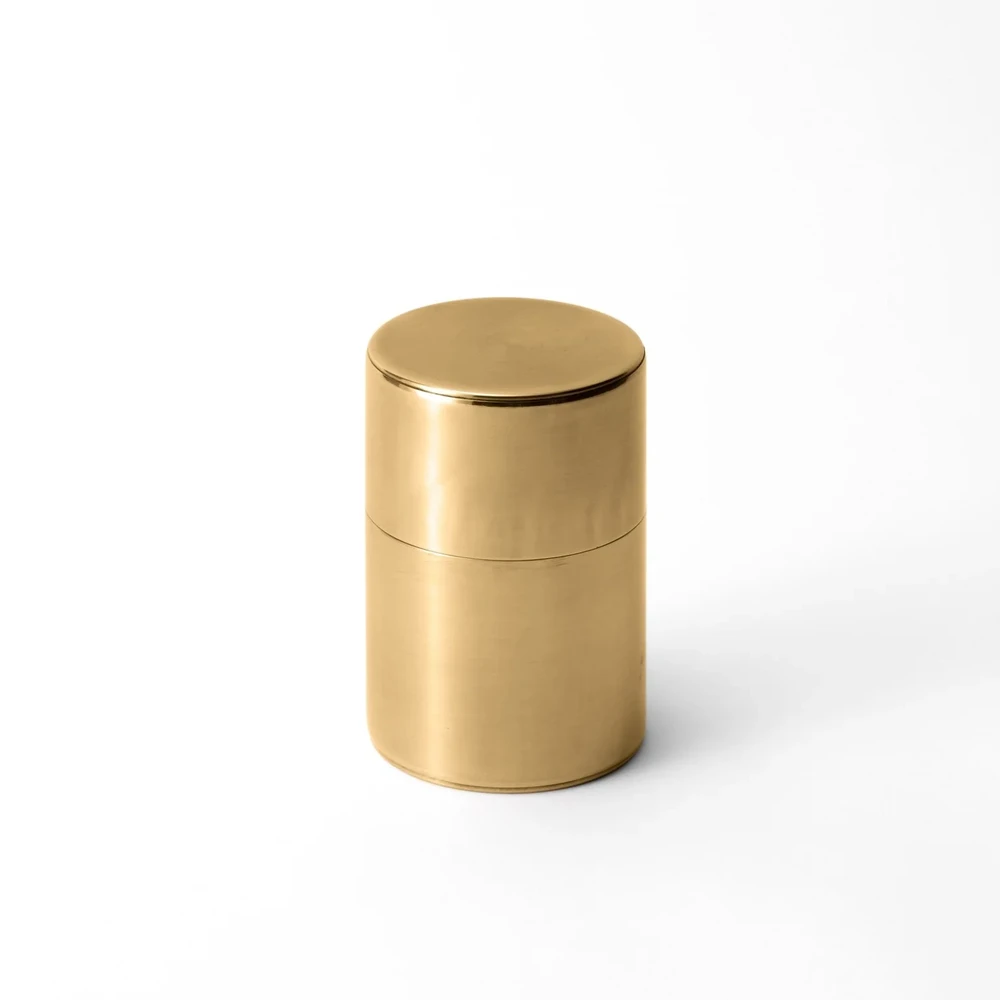
A clarification: This does not mean handmade products perform worse. Even the people shopping for the best possible glasses leaned toward the handmade set; wanting to show love only strengthened the lean. The best handmade products deliver both. (The Kaikado tea canister, for example, is both a vessel of artisan love AND a feat of precision engineering, a lid that closes by itself through pure tolerances, no mechanism required.)
At SleekNova, we only curate products where love and performance are in equilibrium. Our TRUST score asks for independent evidence that the product is actually good, and we do not feature one that falls below its floor. Our GLOW score asks whether it is beautiful enough to keep on display. You do not have to choose.
Why the Maker’s Love Matters to Your Recipient
A skeptic might ask: “Why would my wife care about a stranger’s love for their craft?”
Fair question. Here is the psychology:
The maker’s love is not the gift. It is the vessel.
When a Kyoto craftsman puts 130 hand steps into a single tea canister, he is not doing it for your wife. He is doing it because that is what excellence requires. But that accumulated care creates an object capable of carrying meaning.
By choosing a “love-filled” object, you are signaling something: My feelings for you are significant enough that only an object made with this level of care can contain them.
A mass-produced item says: “I thought of you.”
A handmade item says: “I thought of you, and I found something worthy of what I feel.”
The maker’s love becomes evidence of your own intentionality. It is not that the craftsman loves your wife. It is that you loved her enough to find what he made.
The Love Transfer Model
Here is how the mechanism works:
Maker’s Hands → Product → Your Choice → Recipient
The maker invests time, care, and skill. That investment becomes embedded in the product, not physically, but symbolically. When you choose that product as a gift, you are selecting a vessel for meaning.
And when your recipient opens it, they perceive the accumulated care as evidence of your own.
Research note: The first half of this model, maker to product, is the mechanism Fuchs et al. (2015) measured. The “love” is symbolic, perceived rather than literal, but its effect on product attractiveness and willingness to pay is measurable. The second half, from your choice to your recipient, is our reading of what that means for a gift; the study did not measure how a recipient reads the giver’s choice.
The Love Transfer
How a maker's care becomes evidence of your own love
Stage 1
Maker's Hands
Time, care, and skill invested. The maker pours attention into every detail.
Stage 2
The Product
Care becomes symbolically embedded. Not physically, but psychologically perceived.
Stage 3
Your Choice
By selecting this vessel, you signal: my feelings require something made with this level of care.
Stage 4
Recipient
They perceive the accumulated care as evidence of YOUR love and intentionality.
The Key Insight
"The maker's love is not the gift. It is the vessel. Your choice to select it becomes the message."
Products That Embody the Love Transfer
Kaikado Brass Tea Canister
150-year Kyoto workshop, 6 generations, 130+ hand steps. Each step IS the symbolic love.
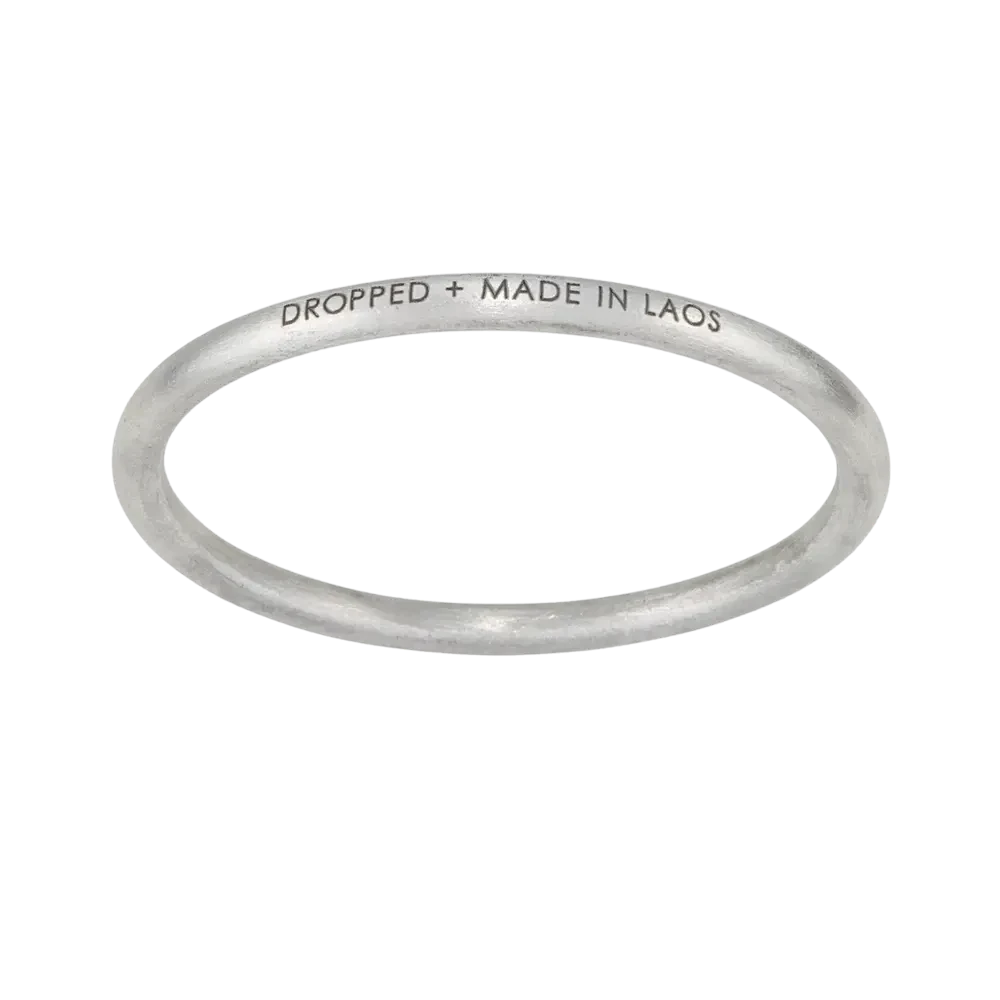
ARTICLE22 Original Story Bangle
War bomb shrapnel transformed into jewelry. The transformation IS the embedded care.
Nousaku KAGO Tin Basket
Bendable pure tin designed to be shaped by its owner. Maker's love invites giver's love invites recipient's love.
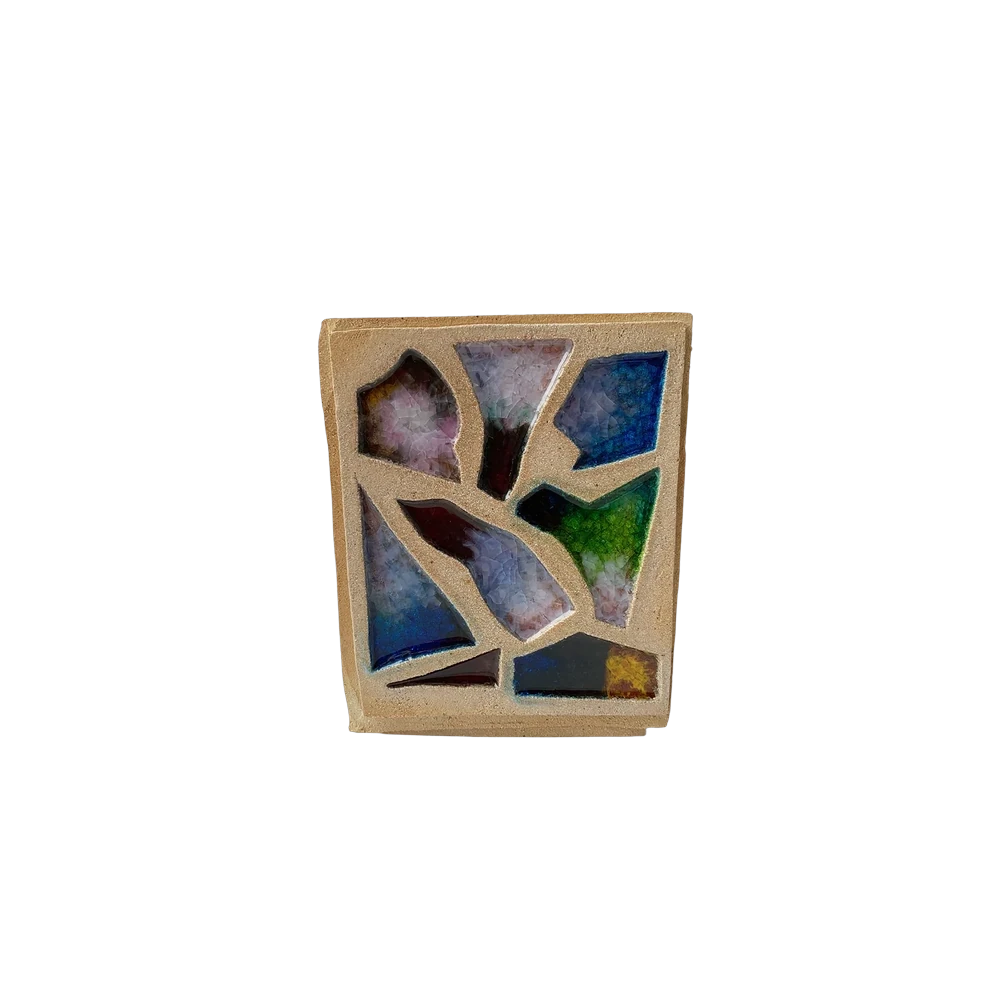
Morgan Peck Wide Mosaic Vase
13 years of studio work, each piece unique. You're giving her time, attention, and thousands of decisions.
The Love Transfer: How Handmade Becomes Meaningful
This process diagram starts from the mechanism identified by Fuchs, Schreier & van Osselaer (2015): handmade products are perceived as symbolically containing the maker's love. The four stages trace that care from the maker's hands into the product, through the giver's choice, to the recipient. The last two stages are our interpretation; the study did not measure how a recipient reads the giver's choice. The research found the handmade effect strongest when buying for loved ones.
Products That Embody the Love Transfer
- Kaikado Brass Tea Canister 9.0/10 · $250
- ARTICLE22 Original Story Bangle 8.7/10 · $50
- Nousaku KAGO Tin Basket 8.8/10 · $67
- Morgan Peck Wide Mosaic Vase 8.8/10 · $325
SleekNova curates handmade products where the maker's care is visible and verifiable, creating vessels worthy of the love you want to convey.
Why This Matters for Gift-Giving
Most gift guides focus on trends, price points, and product features. We focus on psychology.
The Fuchs et al. research validates something we have built our entire methodology around: craftsmanship is not decorative. It is communicative.
When you give someone a mass-produced item, you are giving them a product. When you give someone a handmade item, you are giving them evidence of human care, care that started with the maker and continues through your choice to select it.
This is why we weight craftsmanship at 25% of every SleekNova Score. We call it the GLOW factor: does this product show visible evidence of human attention? Can you see the maker’s hand in the work?
We are not measuring aesthetics for their own sake. Fuchs and colleagues showed that the idea of a maker’s hand changes how people value an object: in their experiments, the handmade and machine-made versions were the same product, described differently. GLOW looks for the evidence behind that description in the work itself.
Four Gifts That Prove the Science
We curate products that score high on GLOW, visible craftsmanship that communicates care. Here are four that embody the handmade effect:
1. Kaikado Brass Tea Canister ($250)
Score: 9.0/10 | GLOW: 9.0 | WOW: 10.0
A 150-year-old Kyoto workshop. Six generations of craftsmen. Over 130 steps by hand. The precision is so exact that the lid closes by itself, no pushing, just physics and perfect tolerances.
The love signal: Those 130 steps ARE the symbolic love. Every step of attention is embedded in the object.
Love + Performance: This is not just sentiment, the engineering is extraordinary. The self-closing lid demonstrates that handmade can mean more precise, not less.
View the Kaikado Tea Canister →
2. ARTICLE22 Original Story Bangle ($50)
Score: 8.7/10 | GLOW: 8.0 | WOW: 10.0
Vietnam War bomb shrapnel, hand-cast by Laotian artisans. Engraved with four words: “dropped + made in Laos.” The transformation from weapon to jewelry is pure human intention.
The love signal: Artisans chose to melt destruction into beauty. That choice, that care, transfers to the wearer.
3. Nousaku KAGO Tin Basket ($67)
Score: 8.8/10 | GLOW: 9.0 | WOW: 9.5
Nousaku was founded in 1916 in Takaoka, Japan’s 400-year metalcraft capital. They created the world’s first 100% pure tin tableware. The twist: this basket is bendable. You shape it by hand into whatever form you want.
The material literally responds to human touch.
The love signal: A product designed to be shaped by its owner. The maker’s love invites the giver’s love invites the recipient’s love.
View the Nousaku KAGO Basket →
4. Morgan Peck Wide Mosaic Vase ($325)
Score: 8.8/10 | GLOW: 9.0 | WOW: 10.0
LA ceramic artist with 13 years of studio work. Each piece unique. Glass frit melted into ceramic creates colors that shift like stained glass. No two are identical because no two can be.
The love signal: Morgan Peck’s hands touched every surface. When you give this vase, you are giving her attention, her time, her thousands of small decisions.
When NOT to Give Handmade
The research is clear: the handmade effect works best for loved ones. For distant recipients, the study found no handmade advantage at all.
What does this mean practically?
Save the handmade heavy-hitters for your Inner Circle. The $325 Morgan Peck vase is perfect for your wife, your mother, your best friend of twenty years. It is probably not right for your new accountant.
Why? The “love” signal can feel misplaced, or even awkward, when the relationship does not warrant it. A highly personal, craft-forward gift to a professional acquaintance might create discomfort rather than connection.
For distant recipients, optimize for other factors: TRUST (verifiable quality they can look up), WOW (discovery factor that impresses without intimacy), or consumables (thoughtful but temporary, no obligation to display).
We are not trying to sell you the most expensive thing. We are trying to match the gift to the relationship. The science supports this: handmade works best when love is the message. When it is not, choose differently.
What This Means for You
The next time you are choosing between a mass-produced gift and a handmade one, remember what the research shows:
Handmade products are perceived as containing the maker’s love. This is not superstition. It is documented psychology.
The effect is strongest when buying for loved ones. If you are shopping for someone you care about, handmade carries more weight than it would for an acquaintance.
People pay more for handmade, and the pull is strongest when affection is the goal. The premium makes psychological sense: you are buying meaning, not only features.
In our reading, the maker’s love becomes evidence of yours. By choosing a love-filled vessel, you signal that your feelings are significant enough to require one.
Love and performance are not tradeoffs. The best handmade products deliver both. We only curate products where they are in equilibrium.
This is why we built SleekNova around artisan products. Not because they photograph well (though they do). Not because they are trendy (they are not, they are timeless). Because the research proves what we intuitively know: handmade gifts carry more meaning.
When you give handmade, you are not just giving an object.
You are giving love that someone put there for you to pass along.
Explore More
Our GLOW Factor →
How we measure craftsmanship and why it is 25% of every score.
Our Full Methodology →
The system behind every SleekNova recommendation.
All Studies →
The peer-reviewed research that informs our scoring.
Browse Handmade Gifts →
Products that embody the handmade effect.
Sources
Fuchs, C., Schreier, M. & van Osselaer, S.M.J. (2015). “The Handmade Effect: What’s Love Got to Do with It?” Journal of Marketing, Vol. 79(2), pp. 98-110. https://doi.org/10.1509/jm.14.0018
Products in This Research
The gifts that embody this study's findings