Masters Series El Jaguar
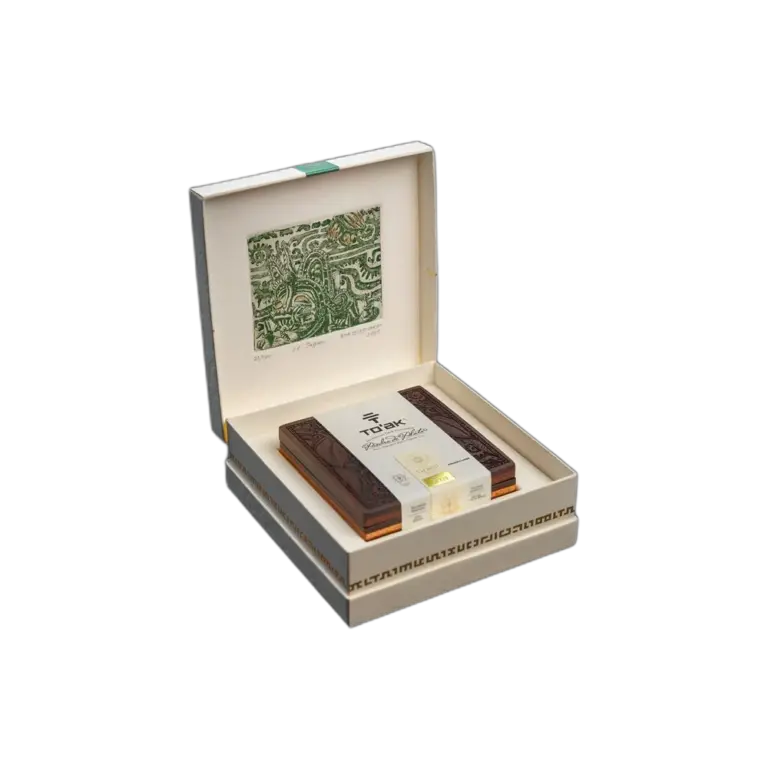
To'ak El Jaguar ($490). First Grand Cru bar from Ancient Nacional cacao, a variety once declared extinct. 500 numbered. CNBC and Harrods validated.
View GiftThe jar shapes how the honey tastes. Before the lid comes off.
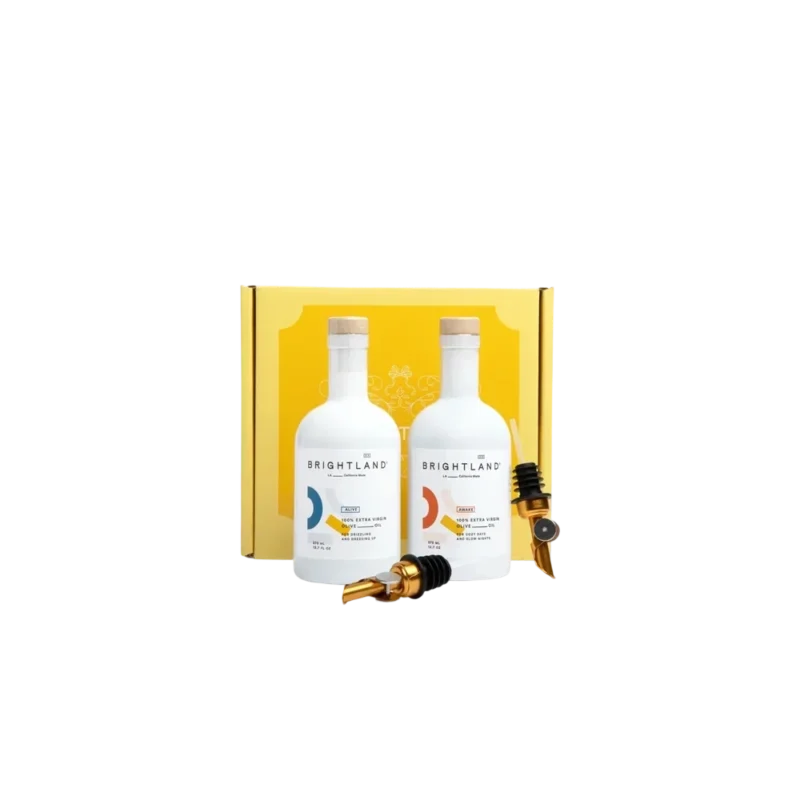
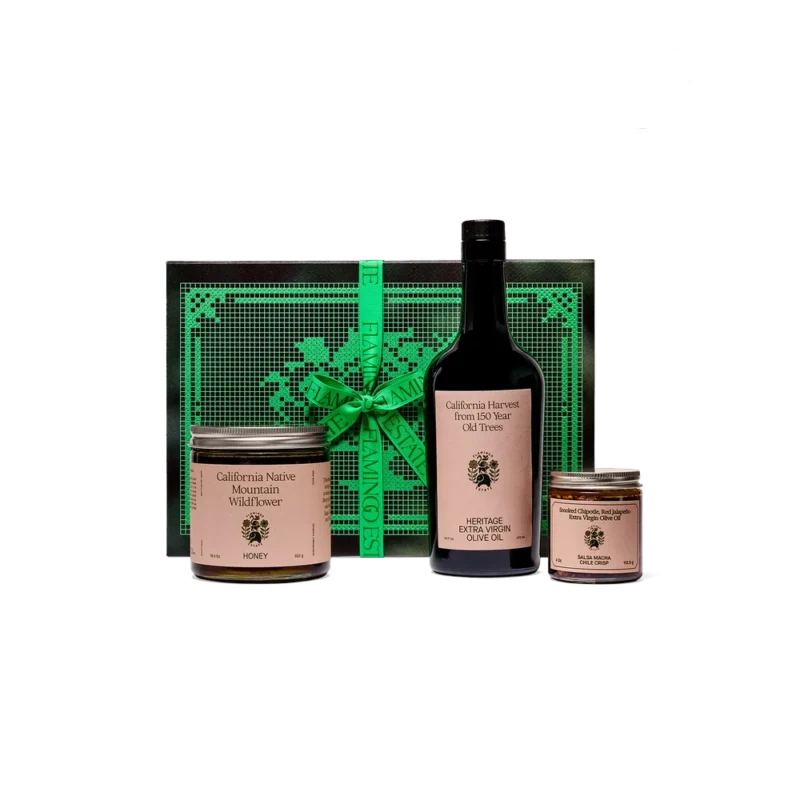
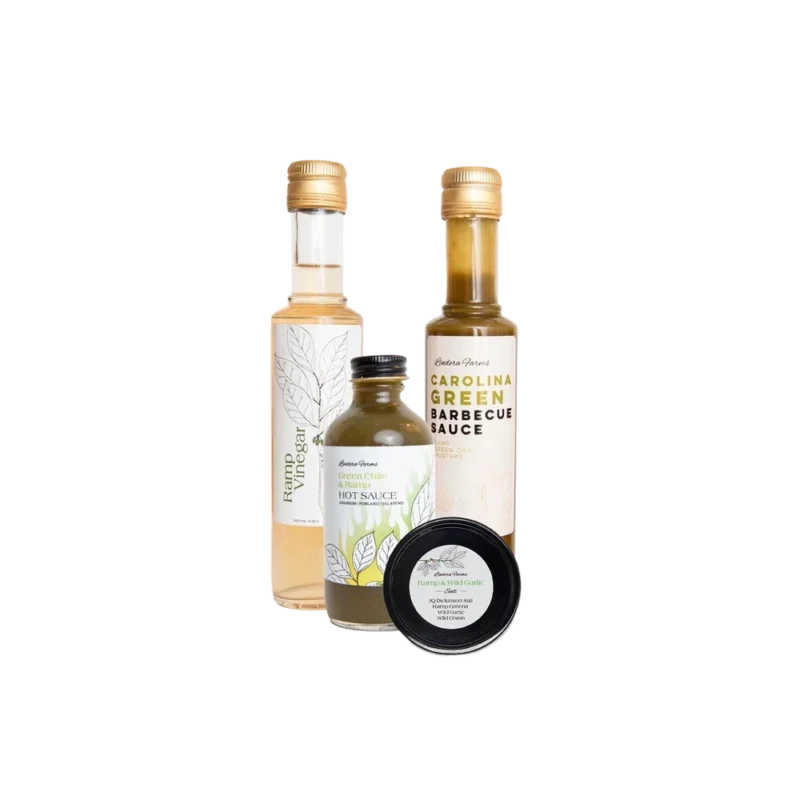
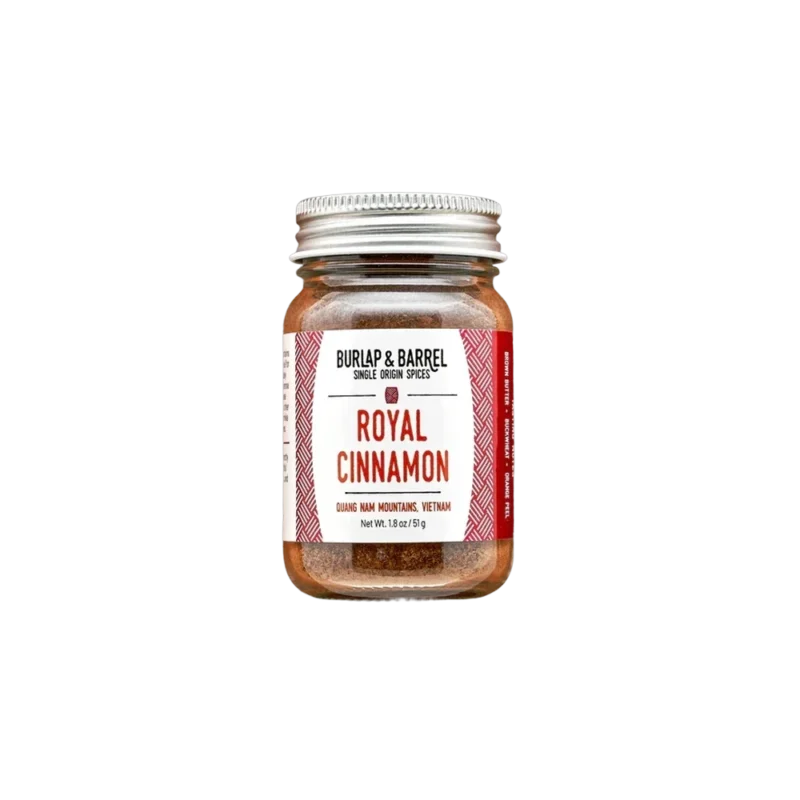
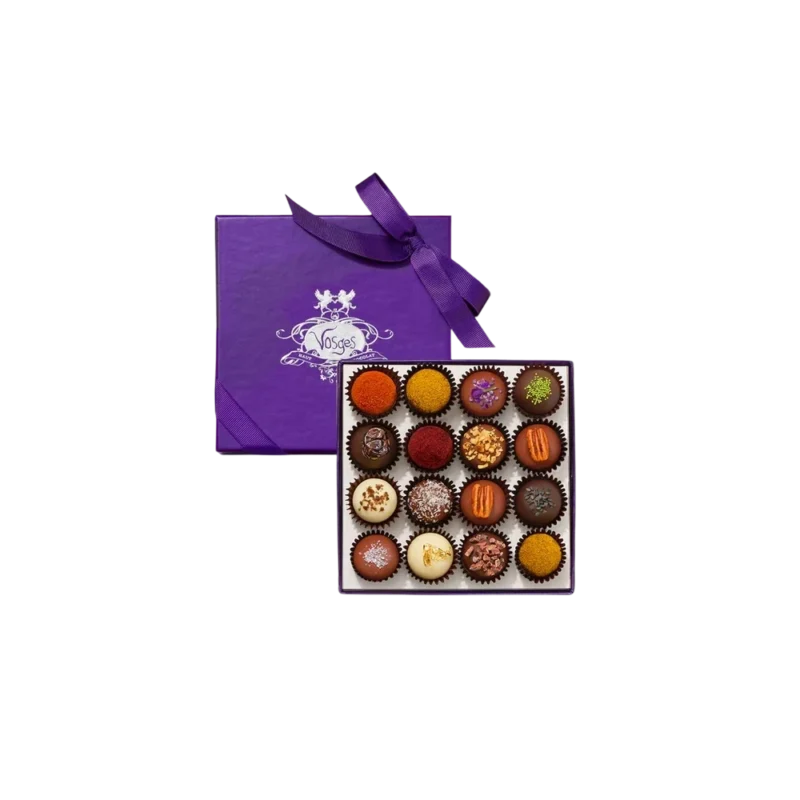
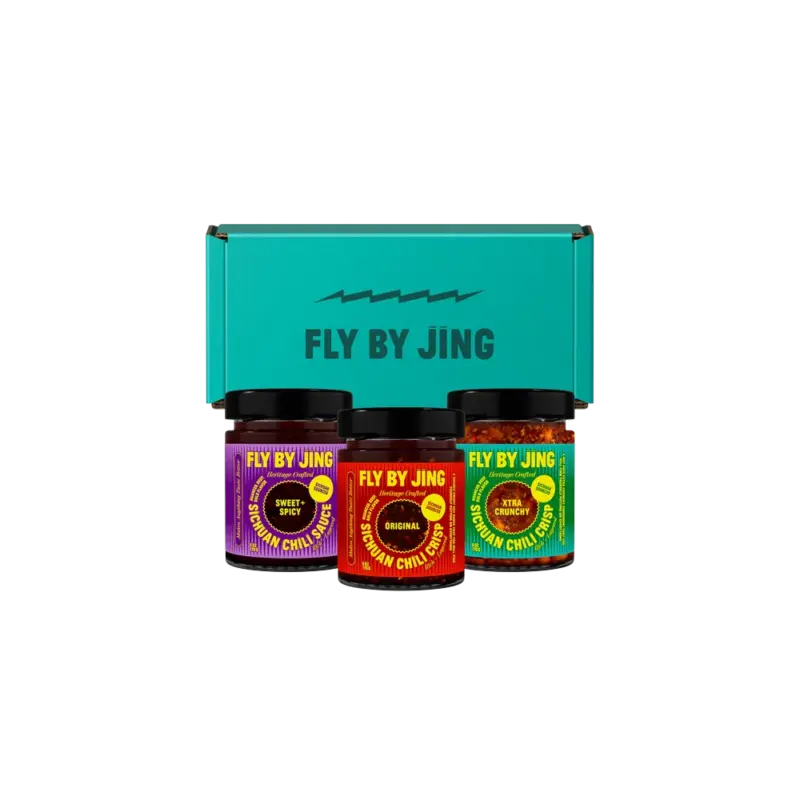
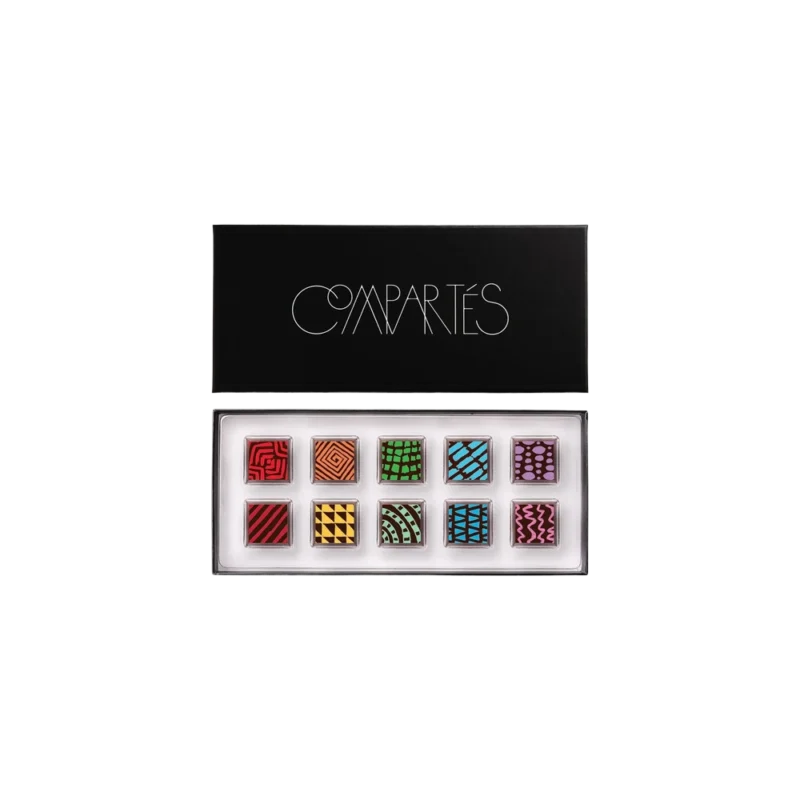
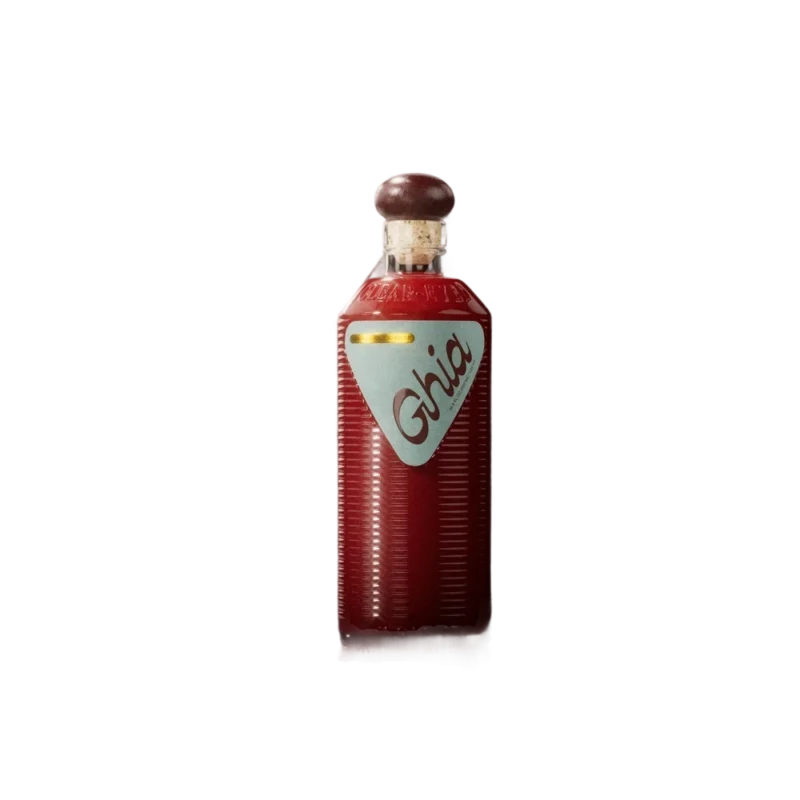
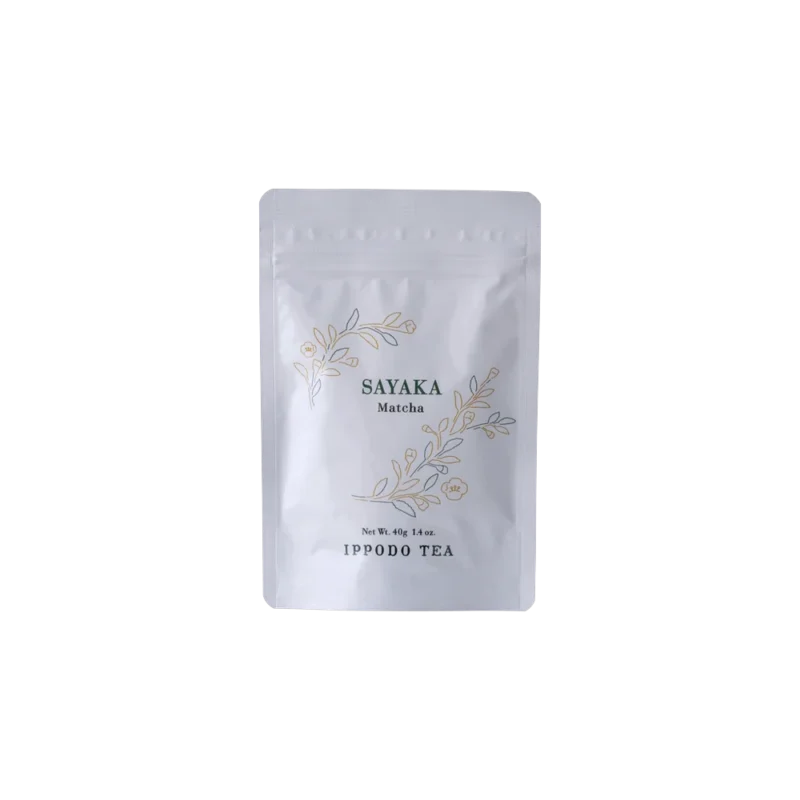
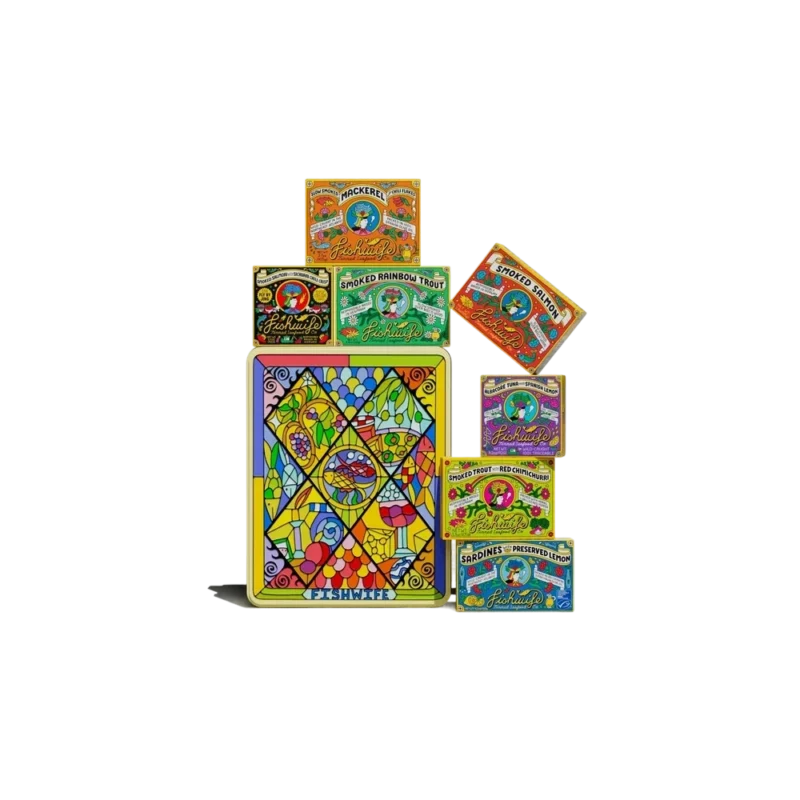
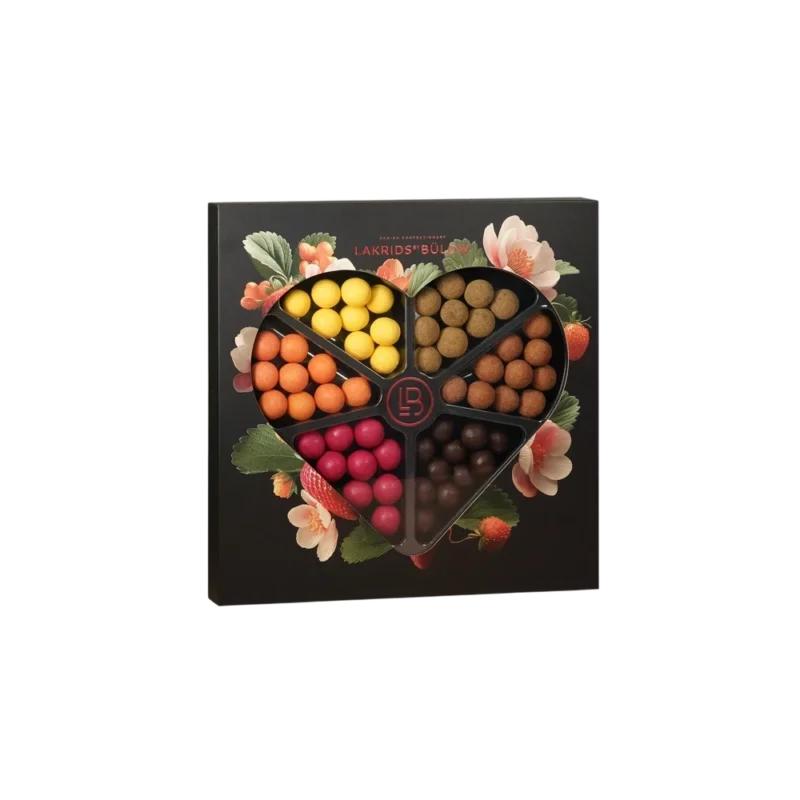
The brain merges its assessment of the vessel with what the vessel contains. Identical food scored 11% higher when the material signaled craft instead of cheapness. For gourmet gifts, the jar, the bottle, the box are not packaging. They are the opening notes of the tasting experience. Honey in a weighted glass jar tastes different from the same honey squeezed from a plastic bear.
To'ak El Jaguar ($490). First Grand Cru bar from Ancient Nacional cacao, a variety once declared extinct. 500 numbered. CNBC and Harrods validated.
View GiftThe brain merges its assessment of the vessel with what the vessel contains. Identical food scored 11% higher when the material signaled craft instead of cheapness. For gourmet gifts, the jar, the bottle, the box are not packaging. They are the opening notes of the tasting experience. Honey in a weighted glass jar tastes different from the same honey squeezed from a plastic bear.
Research shows material quality transfers to perception of contents. The same food is rated 11% higher quality when presented in quality vessels. Packaging and presentation aren't separate from what's inside - they shape how it tastes.
Gourmet consumables that arrive in beautiful packaging - quality jars, weighted bottles, craft boxes - don't just look premium. The vessel becomes part of the experience.
Yes, and not subtly. Oxford University researchers found that identical food was rated differently depending on the material of the vessel it was served in. Yogurt tasted denser and more expensive from a heavier spoon. The same food scored 11% higher in perceived quality when presented in stainless steel versus plastic. The mechanism is called sensation transference, a term from the 1950s that describes how the brain merges its assessment of the container with its assessment of the contents. For gourmet food gifts, this means the jar, the bottle, the box, and the wrapping are not separate from the food inside. A small-batch honey in a weighted glass jar with a cork lid tastes different from the same honey squeezed from a plastic bear. The recipient does not consciously think about the packaging. Their brain does the work automatically, transferring the quality signals from the vessel to the contents before the first bite.
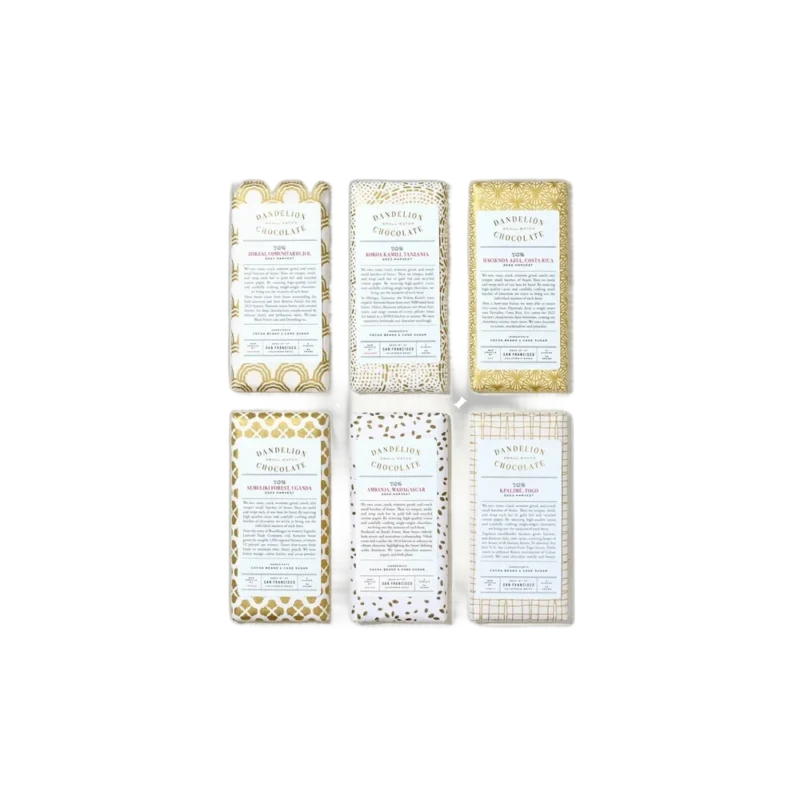
Read the researchBecause the presentation triggers a quality inference that grocery store packaging cannot. The researchers demonstrated that material properties like weight, texture, and surface finish all feed into a single quality judgment that the brain applies to whatever the vessel contains. A craft chocolate bar wrapped in letterpress paper with visible tooth and texture communicates something before the wrapper comes off. A block of supermarket chocolate in foil and cardboard communicates something else. The chocolate inside might be comparable. The experience is not. Gourmet food gifts exploit this mechanism deliberately. Artisan producers invest in packaging that signals care because they understand, whether they have read the research or not, that the vessel primes the palate. The heavy ceramic pot, the wax-sealed bottle, the wooden crate with straw bedding: these are not decorative extras. They are the opening notes of the tasting experience.
Read the researchThe best gourmet gifts solve a problem most consumable gifts have: they disappear. The research showed that material quality creates lasting quality perception. A weighted glass jar, a ceramic crock, a hand-stamped tin canister: these vessels continue to communicate quality long after the contents are consumed. The jar becomes storage for something else. The tin sits on a kitchen shelf. The wooden box holds tea bags or spice packets for years. This is the hidden advantage of gourmet gifts with quality packaging. The food delivers an immediate experience, amplified by the vessel it arrived in. But the vessel itself becomes a small permanent object in the recipient's kitchen. Every time they reach for that repurposed jar, they recall who gave it to them and why. The consumable was the occasion. The vessel is the keepsake.
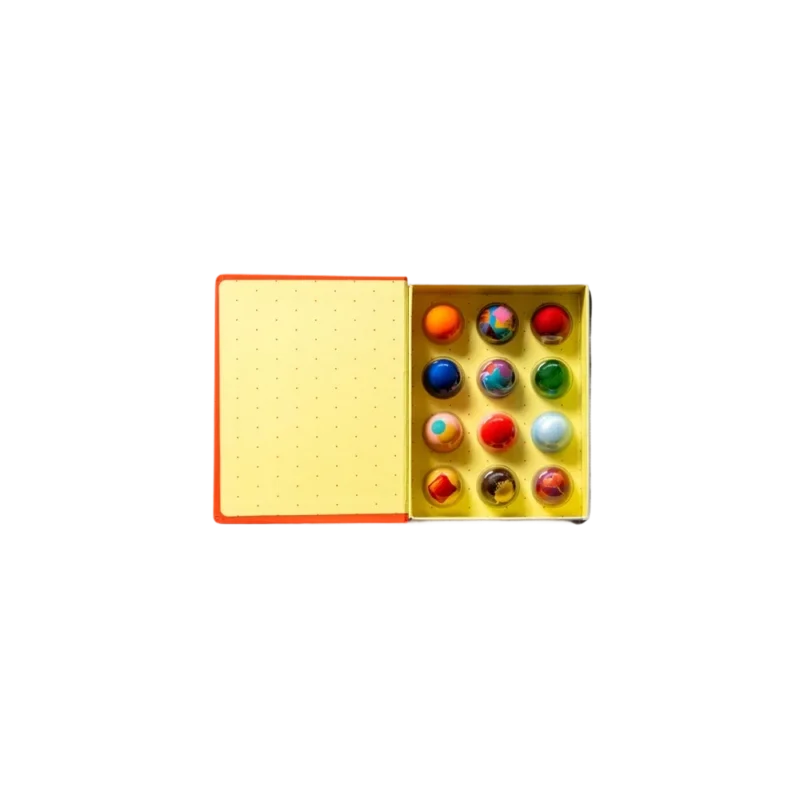
Read the researchLead with the vessel, not the flavor. The research proved that material signals shape perception before any tasting happens. A picky eater evaluating an unfamiliar food will form their first judgment from the packaging. If the jar feels substantial, the label looks handmade, and the lid closes with a satisfying weight, the food inside gets a higher starting score. Their skepticism drops a notch before they ever open it. This does not mean the food can be mediocre. But it means presentation reduces the resistance that picky recipients bring to unfamiliar flavors. Choose gourmet gifts where the packaging does heavy work: hand-poured candles of chocolate in reusable ceramic cups, olive oils in dark glass bottles with wax seals, preserves in kilner jars with hand-written batch numbers. When the vessel signals care, the picky recipient is more willing to trust what is inside.
Read the research