Your product on SleekNova? 99% don't make it. Try anyway

Lighting Gifts Worth the Wattage

A 750-person study proved light changes how people feel at home.

When you give someone a lamp, you are not giving them decor. You are giving them an emotional intervention that reshapes how they experience every evening in that room. Natural materials produce higher wellbeing ratings than synthetic ones. Warm diffused light measurably changes how a space feels. Sculptural presence, natural materials, the right warmth. Not aesthetic preferences. Wellbeing variables.

Top Pick Lớp Dreamy Small Rectangle
9.0
BằNG

Lớp Dreamy Small Rectangle

$455

BằNG Lớp Dreamy Small Rectangle ($455). Dichroic acrylic lamp casting rainbow shadows. Inspired by Saigon iridescent sky. MoMA Design Store stocked.

View Gift

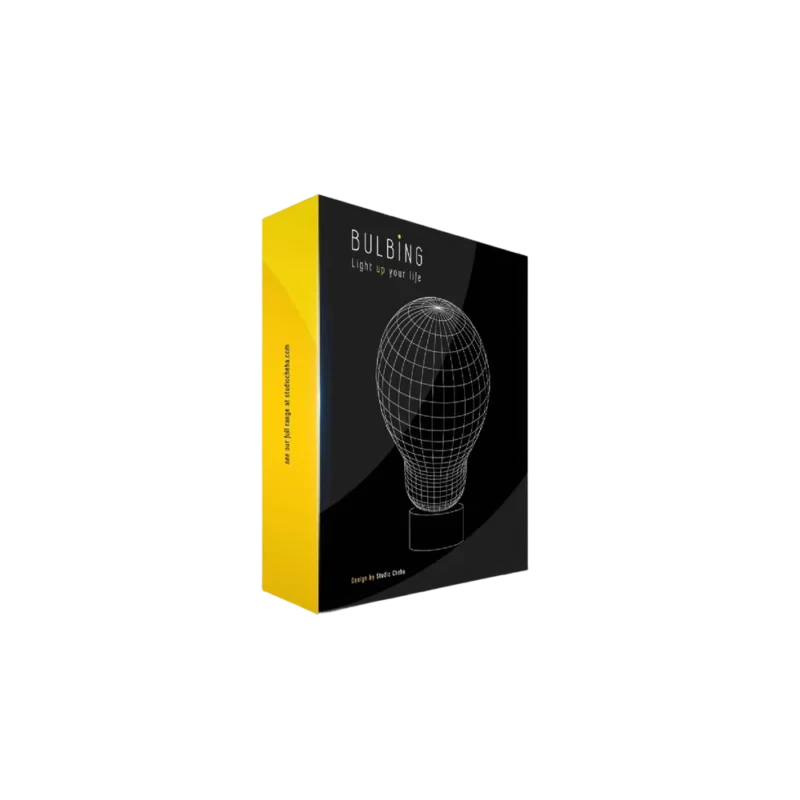
21 gifts 8.4 avg score $49.90–$468
Why trust this list? · 21 products reviewed · Every score verified against real reviews

When you give someone a lamp, you are not giving them decor. You are giving them an emotional intervention that reshapes how they experience every evening in that room. Natural materials produce higher wellbeing ratings than synthetic ones. Warm diffused light measurably changes how a space feels. Sculptural presence, natural materials, the right warmth. Not aesthetic preferences. Wellbeing variables.

Natural light design significantly impacts emotional wellbeing. Windows covering 20%+ of wall area improve happiness; maximizing light produces larger wellbeing gains than almost any other design element.

Light shapes mood more than any other design choice. The right fixture doesn't just illuminate, it transforms how people feel in a space.

Still deciding?

3 questions. 60 seconds. We'll match you to the right gift.

Take the Quiz
Why is a lamp one of the best gifts you can give?

Because light is not decoration. It is an emotional intervention. A 750-person randomized controlled trial published in Building and Environment measured how natural light conditions affect happiness and sadness in residential spaces. The researchers found specific thresholds: once light covered at least 20% of a wall surface, participants reported measurable increases in happiness. Above 40% coverage, the emotional wellbeing gains were the largest of all improvements tested. A lamp does not replicate sunlight, but it shapes the quality and warmth of light in a room every evening. The study demonstrated that light conditions change how people feel in their homes. When you give someone a lamp, you are giving them a tool that will shape their emotional state in that space for years.

Read the research
Does the material of a lamp matter or just the light it produces?

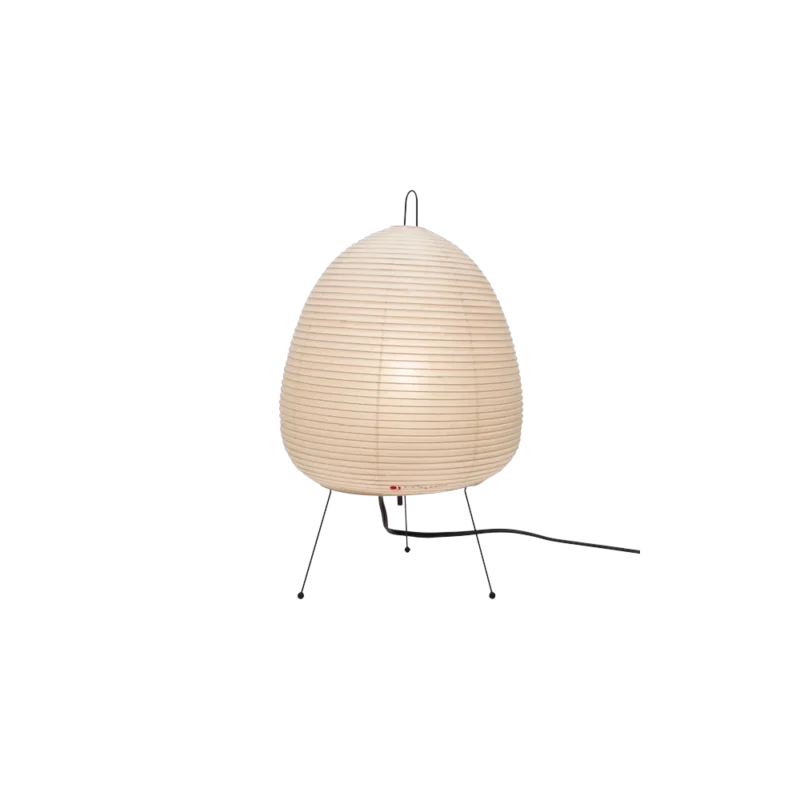
Both, and the research explains why. The study found that surface materials in a room changed emotional response to the light within it. Wood and stucco wall finishes produced significantly higher happiness scores than brick, even with the same light conditions. The materials surrounding light affect how that light makes you feel. For lamp gifts, this translates directly. A washi paper shade that diffuses warmth across its entire surface creates different emotional conditions than a metal shade directing light downward. Hand-turned cherry wood carries associations of natural warmth that plastic cannot. The lamp is not just a light source. It is a material presence that shapes the entire experience of illumination in the room it occupies.

Read the research
Where should a lighting gift be used?

The living room. The research tested multiple room types and found the strongest emotional wellbeing effects in the living-dining area. This makes sense because it is where people spend waking hours, where guests gather, and where daily emotional experience is shaped most. For gift-givers, this means choosing a lamp designed for shared spaces rather than bedside tables or hallways. A sculptural lamp that becomes a conversation piece occupies the exact spot where light quality matters most according to the data. The study also found that warm color temperatures create different psychological conditions than cool ones. A lamp at 2700K produces closer-to-sunset warmth. One at 5000K produces closer-to-office brightness. For a living room gift, warm wins.

Read the research
What makes a bad lighting gift?

Harsh, cold, or purely functional light. The research measured emotional subjective wellbeing, not just visibility. A desk lamp that emits cool white light at maximum brightness solves a task but creates no emotional value. Cheap fixtures with thin plastic shades, clip-on reading lights, and novelty lamps shaped like objects all fail the same test: they produce light without considering what that light does to the room around them. The study found that maximizing diffused light and using warm natural materials produced the best emotional outcomes. For gift-giving, this means avoiding anything that prioritizes brightness over atmosphere. A $50 lamp with a warm diffusing shade that transforms the feeling of a corner creates more value than a $150 fixture that illuminates without warming. The recipient will use the one that makes the room feel better, not the one that makes it brighter.

Read the research