Colour Venn
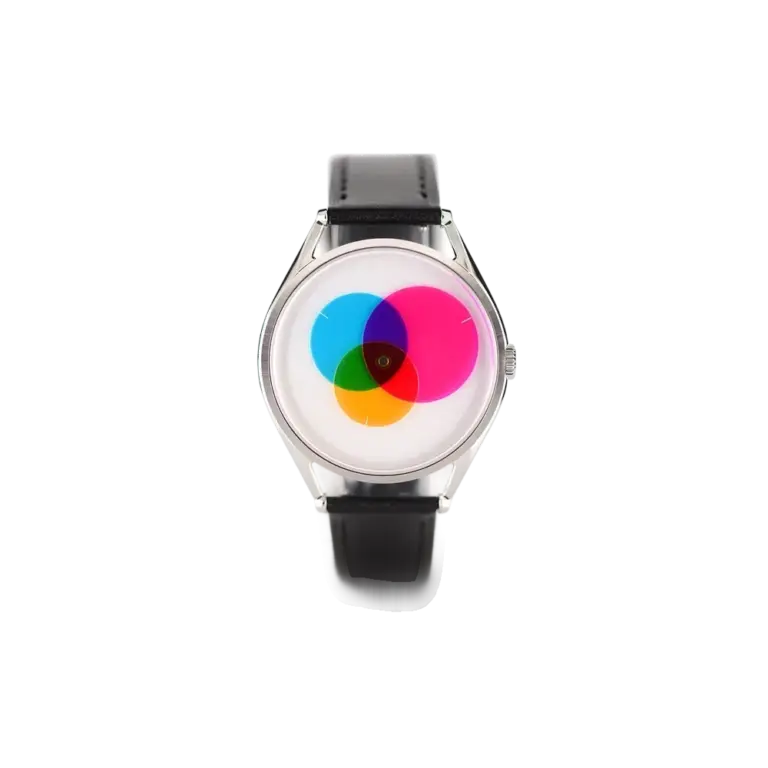
Colour Venn ($950). Swiss automatic replacing hands with three CMYK color discs. Science Museum Inventor in Residence designed it. TechCrunch featured
View GiftYour instinct says find something unique. The data says find something proven.

When shopping for yourself, "limited edition" wins. When shopping for someone else, "best seller" wins. Gift-giving flips the entire purchase psychology. Uncertainty overrides the desire to find something special. Millions independently arrive at the same roses and chocolate, not because those are the best gifts, but because popularity feels safe under pressure. The gifts worth giving pair discovery with proof.
Colour Venn ($950). Swiss automatic replacing hands with three CMYK color discs. Science Museum Inventor in Residence designed it. TechCrunch featured
View GiftWhen shopping for yourself, "limited edition" wins. When shopping for someone else, "best seller" wins. Gift-giving flips the entire purchase psychology. Uncertainty overrides the desire to find something special. Millions independently arrive at the same roses and chocolate, not because those are the best gifts, but because popularity feels safe under pressure. The gifts worth giving pair discovery with proof.
When buying for yourself, limited edition wins. When buying gifts for others, best seller wins. Gift-giving triggers risk reduction, not uniqueness-seeking. The instinct that works for self-purchase fails for gifting.
Your gut says find something unique. Science says find something proven. For Valentine's gifts, popularity signals safety. Choose what others already love.
Because gift-giving activates risk reduction, not creativity. Research published in the Journal of Retailing tested this across five studies, starting with Google Trends data showing actual search behavior. When people shop for themselves, they gravitate toward "limited edition" and "exclusive" language. When they shop for someone else, they shift toward "best seller" and "popular." The mechanism is uncertainty. Will they like it? Will they think I do not know them? Valentine's Day amplifies this because the stakes feel romantic. The result is that millions of people independently arrive at the same roses, chocolate, and jewelry, not because those are the best gifts, but because popularity signals feel safe when the pressure is high.
Read the researchBoth, and the research explains why that is not a contradiction. The study identified two distinct psychological pathways. For self-purchase, uniqueness creates perceived value. For gift-giving, social proof creates perceived value. The tension is real: the best Valentine's gifts feel discovered, but discovery alone triggers doubt in the giver. The solution is pairing discovery with validation. Something they have never seen before that also has credible endorsement behind it. A $29 hot sauce from a restaurant named World's Best five times is both a discovery and a proven choice. A $50 bangle made from war shrapnel that was featured in Vogue is both unexpected and externally validated. The gift feels like you found something special. The proof means you can trust the choice.
Read the researchYes, and the research identified exactly why. The study found one moderator that weakened the popularity preference: self-other overlap. When you buy for someone very close, someone whose preferences feel like an extension of your own, the gift-giving pattern starts to look more like buying for yourself. For a long-term partner on Valentine's Day, you have enough knowledge to trust your own taste. The risk reduction instinct fades because you feel confident about what they want. But for a newer relationship or someone you are still learning, the safe instinct is strongest. This is why early Valentine's gifts default to flowers and chocolate while established couples can take bigger swings. The closeness of the relationship determines how much you can trust discovery over social proof.
Read the researchGifts chosen purely because they are popular with no personal element at all. The research showed that risk reduction drives most gift-giving decisions, which explains why so many Valentine's gifts are interchangeable. But popularity without thought is just default mode. Drugstore chocolate, grocery store flowers, and department store perfume are all popularity-driven choices stripped of any discovery or personal signal. They say "I acknowledged the holiday" not "I thought about you." The equally bad opposite is a gift that is purely unique with no external validation at all, something so obscure that the recipient has no frame of reference for whether it is actually good. The research points to a specific sweet spot: something they would never find themselves, backed by enough credible recognition that your confidence in the choice is justified.
Read the research