The Perfect Gift Paradox: Why Your Best Choice Can Still Backfire
“I know what I have given you. I do not know what you have received.”
Antonio Porchia
He knew it was the perfect gift. A Clarion CD player, $200 to $300, for his girlfriend’s birthday. She’d noticed his love of music. She’d done the research. She’d made the sacrifice.
Here’s what happened next, in his own words:
“I felt very guilty taking it, even though I really wanted it. We broke up, about three weeks later. I still have the stereo, in the box, in my closet. I’m planning on bringing it back to her soon… It was the perfect gift for me. I’m a big music fan. She put a lot of thinking and money into it… The gift was a sign of love and care, but I knew I didn’t feel the same.”
The researchers who documented this moment made an observation that should change how you think about gift-giving forever:
“This is one of the few examples in our data where the term ‘perfect gift’ is used. At first glance, it does appear that all of the elements of the perfect gift (sacrifice, altruism, luxury, appropriateness, surprise and delight) are present. Still, this incident is a reminder that appropriateness of the gift must be considered within the context of the relationship.”
The gift had everything.
It still failed. Not because it was wrong for the recipient, but because it was wrong for the relationship.
What 147 Gift Experiences Reveal
Julie Ruth, Cele Otnes, and Frédéric Brunel spent years studying what happens after the wrapping paper comes off. They conducted depth interviews with 16 participants and surveyed 121 more, collecting 147 documented gift-receipt experiences. Every experience had to be at least one year old, so they could track how the gift’s meaning evolved over time.
What they found upends the conventional wisdom about gift success.
Gifts don’t simply succeed or fail. They actively reshape how recipients perceive relationships. The researchers identified six distinct relational effects:
- Strengthening (8%): The gift improves relationship quality, signals a desire to elevate the bond
- Affirmation (26%): The gift validates an existing positive relationship, maintains what’s already good
- Negligible Effect (18%): Minimal impact on relationship perception
- Negative Confirmation (8%): The gift validates an existing negative relationship, confirms what was already wrong
- Weakening (7%): The gift damages the relationship, reveals a lack of connection
- Severing (1%): The gift so damages the relationship that it dissolves entirely
Most gifts (26%) simply affirm existing bonds. That’s the good news.
The concerning news: 16% of gifts actively damage relationships. And the damage isn’t random. It follows predictable patterns.
Ruth, Otnes & Brunel, 1999 · Journal of Consumer Research
Why “Perfect” Gifts Still Fail
147 gift experiences reveal that recipients judge gifts against relationship trajectory — not objective quality. When investment exceeds the bond, even flawless gifts backfire.
The Research Insight
Of 147 documented gift experiences, 16% actively damaged relationships. The damage wasn’t random — it followed predictable patterns: overkill (gift exceeded the bond), burden (gift came with strings), and control (gift was giver-focused, not recipient-focused).
147
Gift experiences studied
16%
of gifts damaged relationships
15%
TRUST weight in SleekNova Score
Why “Perfect” Gifts Still Fail
This scatter plot maps gift products across two dimensions identified by Ruth, Otnes & Brunel (1999): gift investment level (vertical axis) versus relationship appropriateness (horizontal axis). Their study of 147 gift-receipt experiences found that 16% of gifts actively damage relationships — not because they lack quality, but because they exceed the relationship’s current trajectory. The upper-left quadrant is the “overkill zone” where high-investment gifts mismatched to relationship stage trigger guilt, burden, or dissolution. SleekNova products cluster along the right side, where investment scales with relationship closeness.
Products That Scale With Relationship Stage
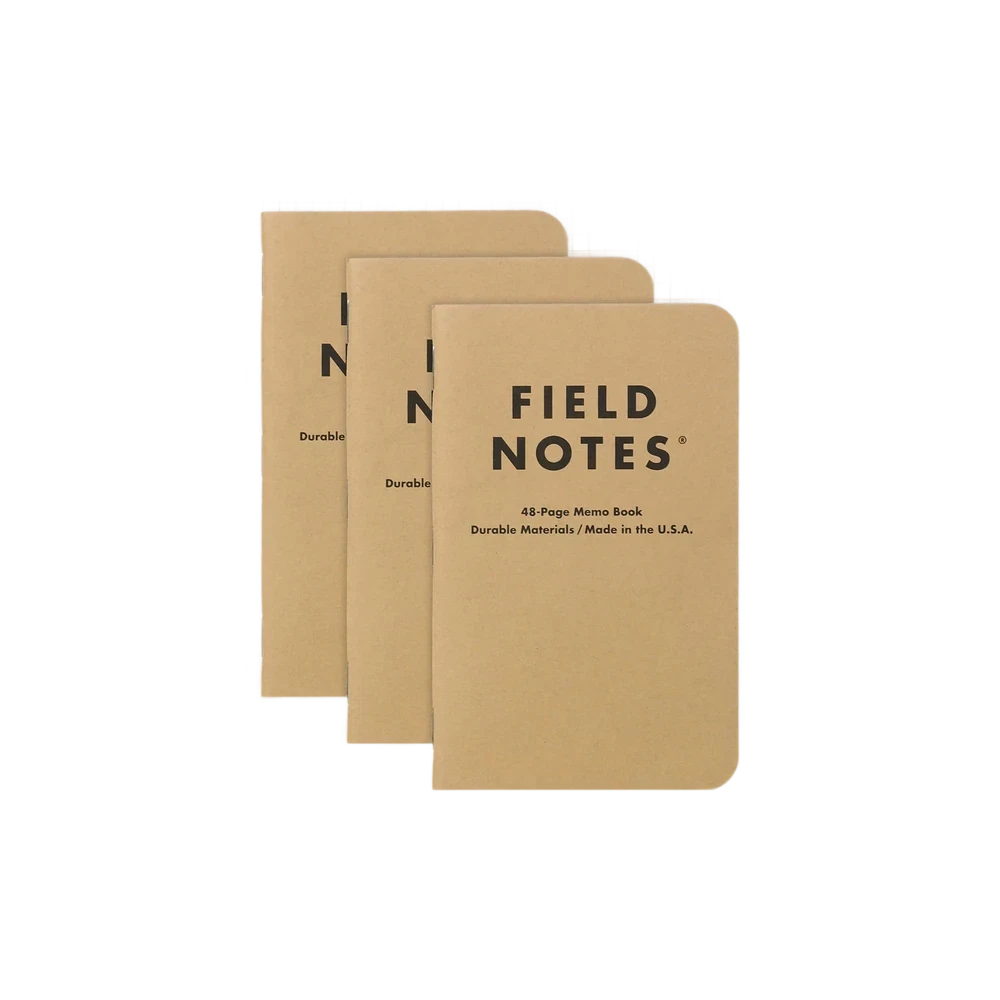
- Field Notes Kraft 3-Pack TRUST 10.0 · $12.95
- P.F. Candle Co. Teakwood & Tobacco TRUST 8.8 · $24
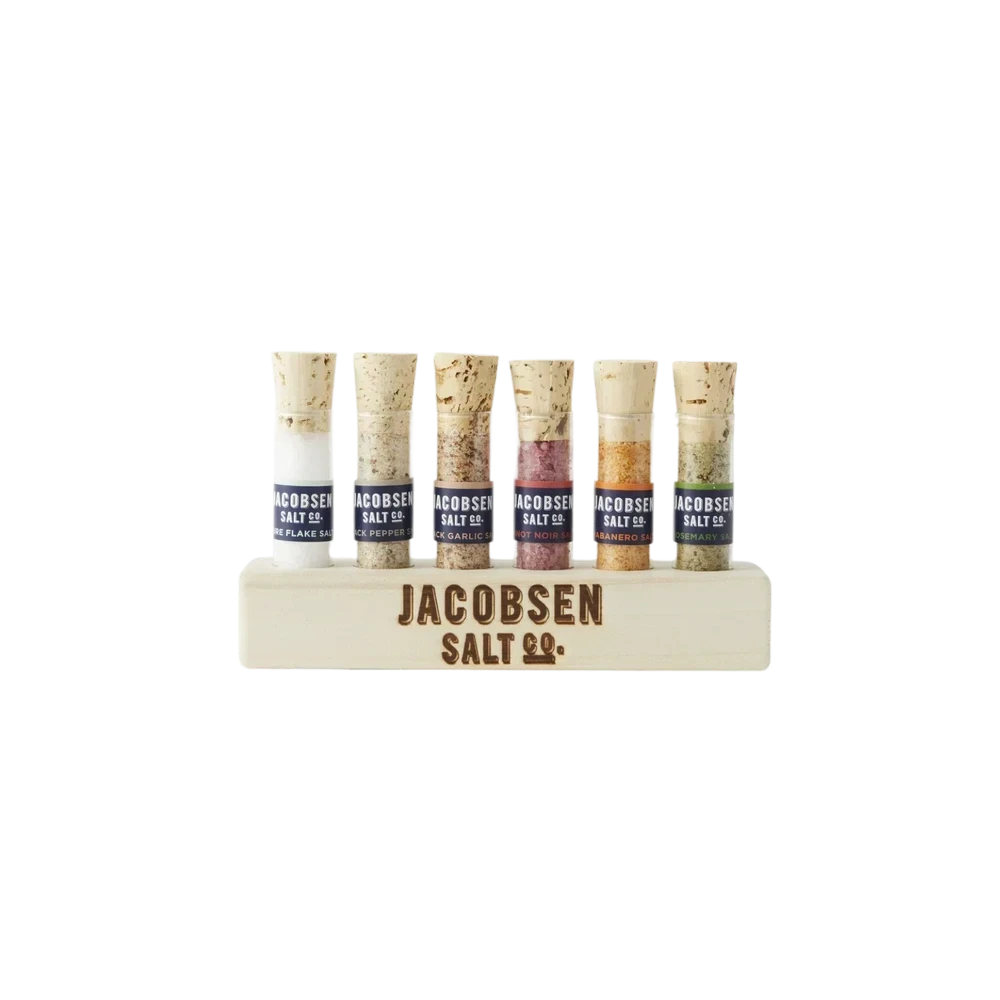
- Jacobsen Salt Co. Six Vial Set TRUST 8.0 · $35
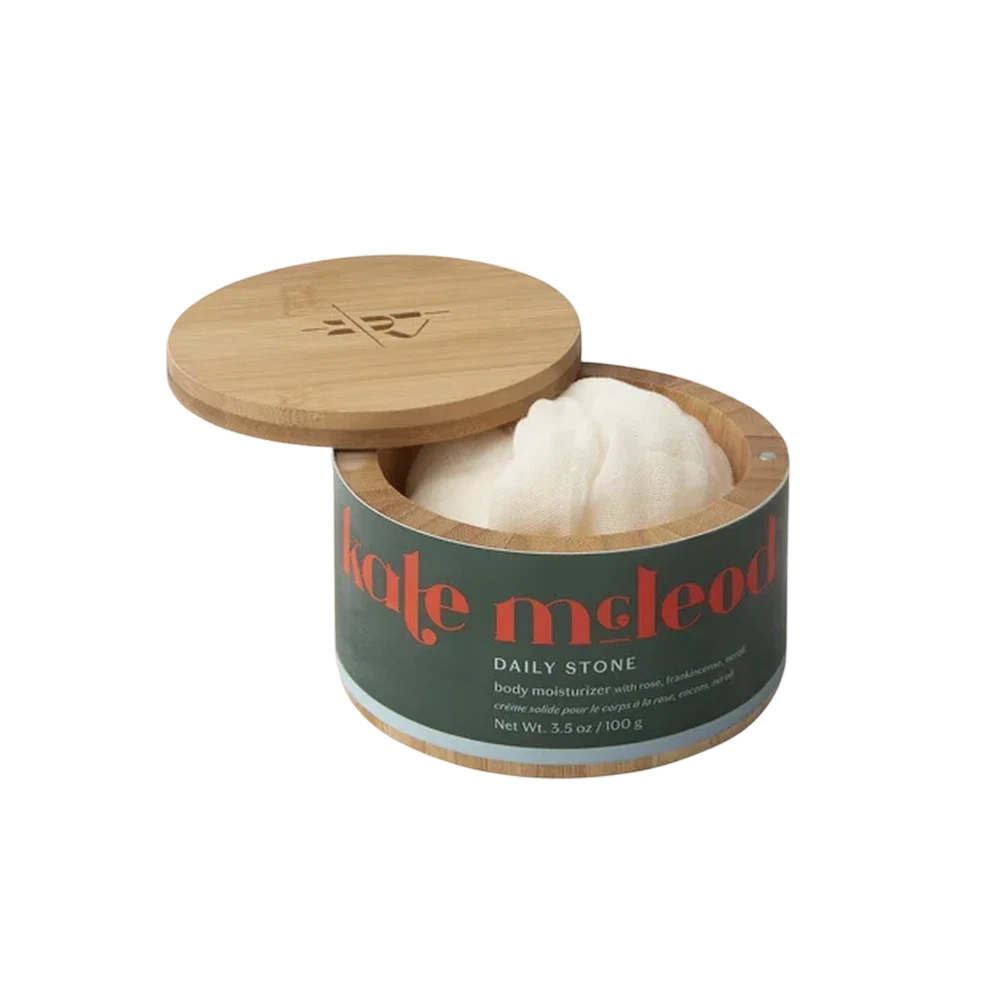
- Kate McLeod Daily Stone TRUST 8.7 · $48
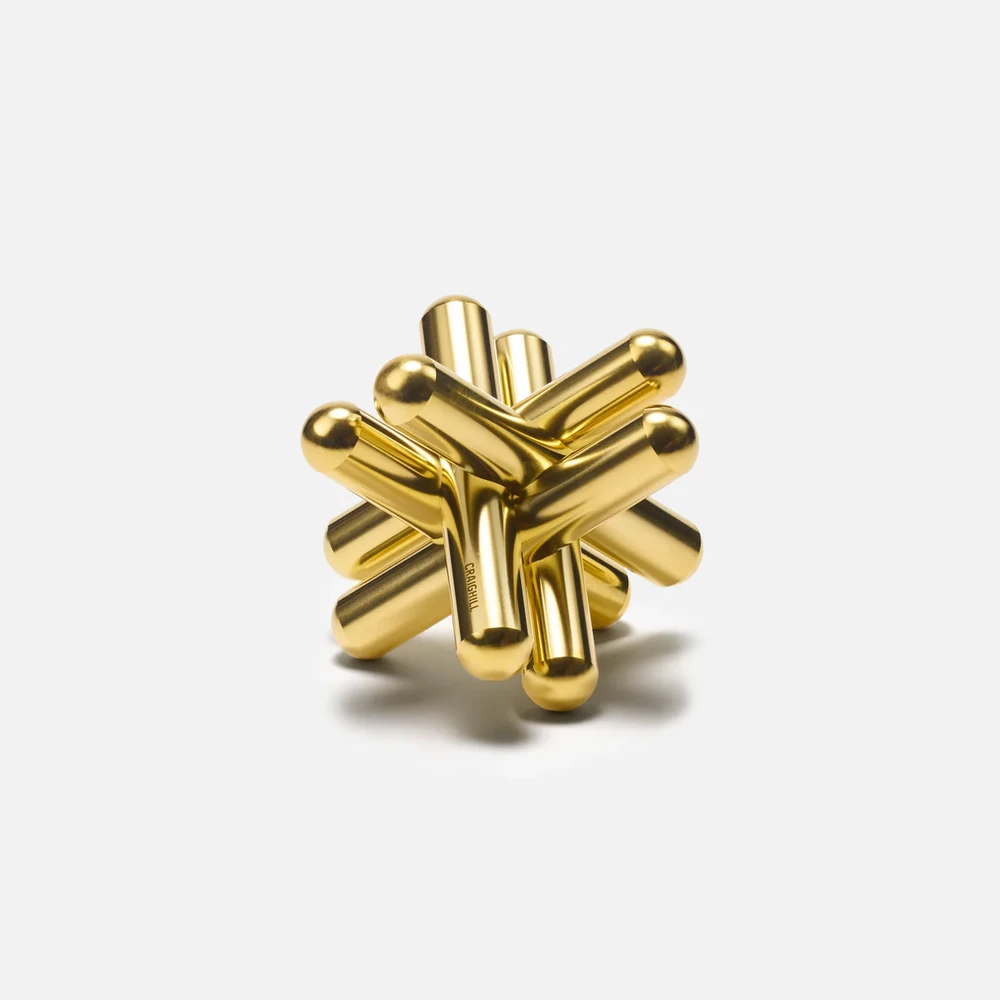
- Craighill Jack Puzzle TRUST 7.5 · $98
SleekNova curates gifts that match investment to relationship depth — because the “perfect” gift only exists in relationship context.
Source: Ruth, J.A., Otnes, C.C., & Brunel, F.F. (1999). “Gift Receipt and the Reformulation of Interpersonal Relationships.” Journal of Consumer Research, 25(4), 385–402.
View on JSTOR →
Three Ways Gifts Go Wrong
The Overkill Effect
The car stereo is a case study in overkill. The gift exceeded the relationship’s current state. It communicated more investment than the recipient was prepared to match.
The researchers put it plainly: “Some givers offer items to recipients that are too good for the current state of the relationship. If the imbalance in expectations is too great, dissolution of the relationship may occur.”
The recipient’s response to overkill? Return the gift, recycle it, or let it sit unopened in a closet. All three reduce the psychological burden of accepting something that implied more than the relationship could bear.
The Burden Effect
A student gave his teacher cassettes. In French, there’s a word for this kind of gift: cadeau, which carries connotations of bribery.
The teacher felt it immediately.
Her account:
“His tone of voice, pleading, self-pitying, made me feel as though he was trying to manipulate me. I wanted to distance myself from him; he wanted too much intimacy.”
The gift came with strings. The recipient could feel them. The researchers noted: “Recipients perceive that some gifts are presented with strings attached in that an implied but unwanted burden accompanies acceptance of the gift.”
These gifts weaken relationships because recipients don’t know what’s really being asked of them. The generosity feels like a transaction in disguise.
The Control Effect
A girlfriend bought her boyfriend white shorts. He had explicitly told her, weeks before, that he didn’t want them.
His account:
“We talked about it for a couple of weeks before, and I said I don’t particularly want it. So the whole issue for me was one of her trying to change me through a gift, trying to be, you know, manipulative… We were going through a relatively rocky time in the relationship anyway, so it sort of was just one more rock in the path… It was really more a confirmation that it was a relationship that clearly was not working.”
The researchers identified this pattern as giver-focused rather than recipient-focused. “Recipients recognize that givers may attempt to force, rather than merely reinforce, social relationships through gifts.”
The white shorts weren’t about him. They were about her vision of who he should be.
The gift confirmed the relationship was over.
Even Good Gifts Trigger Anxiety
Here’s what makes gift-giving genuinely complicated: even relationship-strengthening gifts produce mixed emotions.
The researchers found that gifts which deepen bonds are “often accompanied by both positive and negative emotions.” They borrowed a term from religious studies to describe this: kratophany, a sacred power combining “fascination and devotion with repulsion and fear.”
One recipient’s first reaction to a cherished gift: “Oh shit, now what am I going to do? Now there is a real responsibility.”
The gift was appreciated. It still created pressure. The relationship strengthened, but the recipient felt the weight of reciprocity. This is normal. The difference between strengthening and overkill isn’t whether anxiety exists. It’s whether the recipient shares the desire to elevate the bond.
How This Informs What We Verify
At SleekNova, TRUST carries 15% of every product score. We verify that products are actually good: editorial coverage, community validation, claim verification, temporal consistency.
Ruth et al. adds a crucial dimension to what “actually good” means.
The car stereo was verifiably excellent. High-quality brand, appropriate features, thoughtful selection. By every objective measure, it earned trust. It still failed because verified quality is necessary but not sufficient. The gift must also be verified as appropriate for the relationship.
This is why TRUST carries only 15% of our score, not more. Trust gets products through the door. But MOMENT (the emotional impact at unwrapping) and relationship alignment determine whether they stay.
When we score products, we’re not just asking “Is this good?” We’re asking “Is this right-sized for the relationships it’s likely to serve?”
Gifts That Scale With Relationship Stage
The products below demonstrate what relationship-appropriate gifting looks like in practice. They’re organized by price tier, which correlates (imperfectly but usefully) with relationship intensity.
Under $25: Zero Obligation
These gifts say “I thought of you” without saying “I expect something back.” Safe for colleagues, casual friends, new relationships, anyone where presuming too much would backfire.
Field Notes Original Kraft 3-Pack | $12.95 | TRUST: 10.0
Impossible to over-gift. At $12.95, this is the relationship-safe floor. NYT Wirecutter’s pick, 7,272 Amazon reviews at 4.7 stars. The pocket notebook from the designers who believe you write things down to remember them now. Kraft covers that wear honestly. No one feels burdened by three memo books.
P.F. Candle Co. Teakwood & Tobacco | $24 | TRUST: 8.8
Called “the boyfriend scent” because it’s the safe choice for uncertain relationship territory. At $24, it looks like $38. Reviewers on Thingtesting call it “my go-to for gifts for others.” LA indie credibility (woman-founded, still independent) without intimidating price.
The candle that doesn’t presume intimacy.
$25-50: The Sweet Spot
These gifts work for most established relationships: good friends, family members, hosts, colleagues you genuinely like. Thoughtful without overwhelming. Premium without presumptuous.
Jacobsen Salt Co. Six Vial Set | $35 | TRUST: 8.0
The host gift that actually gets used. At $35, less than a bottle of wine but looks like $55. First Oregon coast salt since Lewis & Clark (1805). Bon Appétit featured, Bittman Project partner. Consumable means no burden to keep. Six infused flavors in a branded wood stand. The gift that says “I noticed you cook” without saying “I’m investing in our future.”
Skeem Match Cloche | $36 | TRUST: 7.5
Beautiful object with low obligation. Handblown glass, cork stopper, 120 wooden matches and a built-in striker. The founders discovered this vessel shape in Japan. At $36, premium without presumptuous. Woman-owned since 2004.
The gift that earns counter space without demanding shelf commitment.
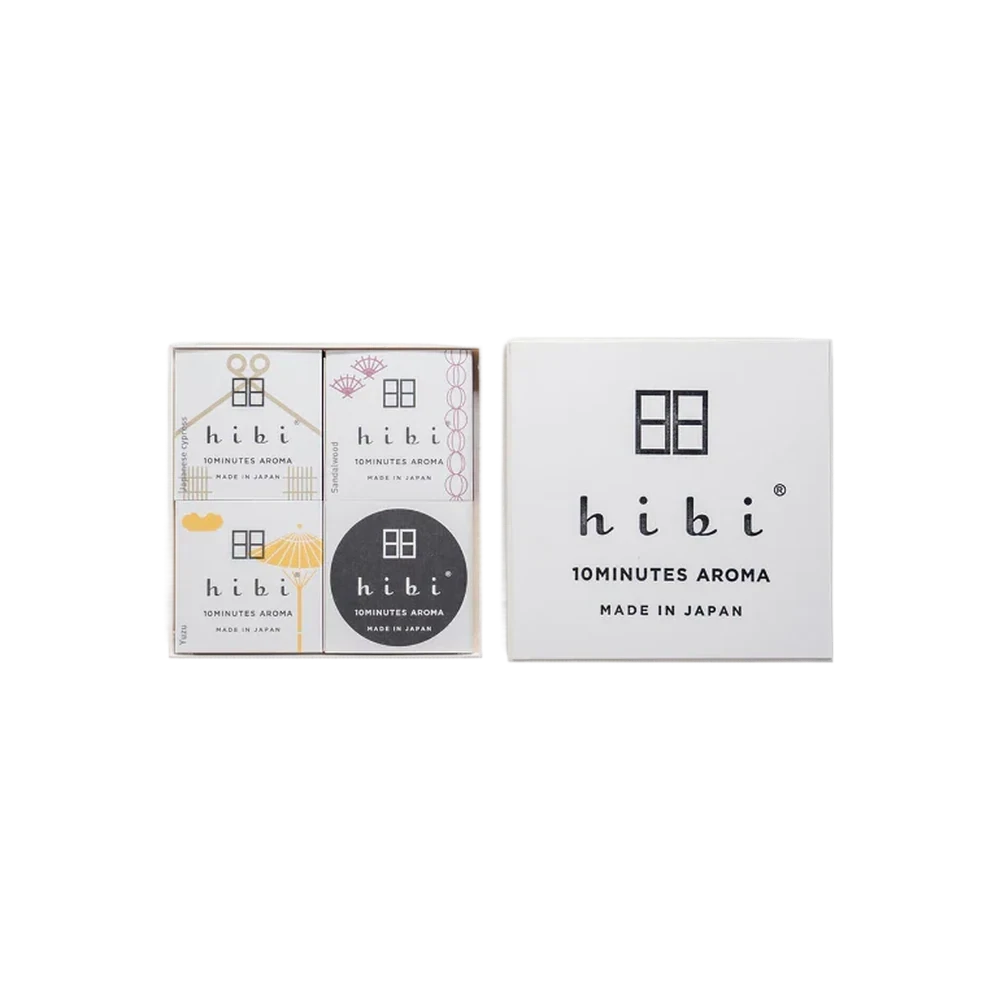
Hibi Incense Matches Gift Box | $46 | TRUST: 8.0
Consumable elegance. Kobe Match (75% of Japan’s match production) spent three years with Awaji Island incense makers (70% of Japan’s incense) developing this. Good Design Award 2019. Strike like a match, burn as incense, ten minutes of pause. At $46, it signals thoughtful curation.
The gift that offers permission, not obligation.
Kate McLeod Daily Stone | $48 | TRUST: 8.7
Intimate but accessible. A pastry chef’s approach to skincare: solid cocoa butter that melts on contact. Into The Gloss Top 25. 2,055 reviews at 4.8 stars. Sephora and goop stocked. At $48, it’s the self-care permission slip. Best for established friendships, moms, anyone you know well enough to gift something personal.
The gift that says “you deserve this” without saying “I’m defining your routine.”
$50-100: Close Relationships Only
These gifts require relationship capital. They communicate investment. Give them to people who won’t feel burdened by receiving something significant.
Craighill Jack Puzzle | $98 | TRUST: 7.5
Higher price point, but playful framing defuses obligation. A pound of solid brass, precision-milled in Rhode Island, that comes apart in six pieces and might not go back together. The puzzle signals “I know you” rather than “I’m investing in you.” 4.4 stars from 39 reviews. For Life Guarantee. Featured in Gear Patrol. At $98, appropriate for dads, close friends, people who think with their hands.
The gift that’s impressive without being heavy.
Lab Note: What This Research Doesn’t Cover
Ruth et al. studied 147 gift-receipt experiences, primarily from American participants. The sample skewed toward calendrical occasions (62% were birthdays, holidays, or similar). Only two severing incidents were documented, making that category difficult to generalize.
The findings describe population-level patterns, not individual predictions. Your specific relationship has context this research cannot capture.
And 32% of gift effects were dynamic, meaning the gift’s meaning changed over time. Twenty percent evolved more positive as relationships deepened. Twelve percent evolved more negative.
We’re not claiming expensive gifts are always wrong. We’re claiming they’re wrong when mismatched to relationship stage. We’re not claiming you can engineer gift success with formulas. We’re claiming you can avoid predictable failure modes.
The full phenomenology of gift receipt extends far beyond price optimization. Ritual, timing, presentation, cultural context, individual history: all of these matter, and none of them appear in this summary.
What Ruth et al. proves is simpler and more actionable: the “perfect” gift exists only in relationship context. Get that wrong, and nothing else you get right will matter.
This Deep Dive is grounded in: Ruth, J.A., Otnes, C.C., & Brunel, F.F. (1999). “Gift Receipt and the Reformulation of Interpersonal Relationships.” Journal of Consumer Research, 25(4), 385-402. https://doi.org/10.1086/209546
Explore More
- How TRUST Scores Work: The verification dimension, explained
- The Three Stages Every Gift Must Survive: The foundational framework Ruth builds on
- The Anxiety Formula: Why gift-giving tortures people who care most
- The Price Delusion: Why spending more won’t make them love your gift more
- Our Full Methodology: How we score every product
Products in This Research
The gifts that embody this study's findings
 8.4
8.4
 8.1
8.1
 8.0
8.0
 8.6
8.6
 8.7
8.7
 8.8
8.8
Find the perfect match
Answer 4 quick questions. We'll do the rest.
Take the Gift Quiz